


Paramètres
- 349pages
- 13 heures de lecture
En savoir plus sur le livre
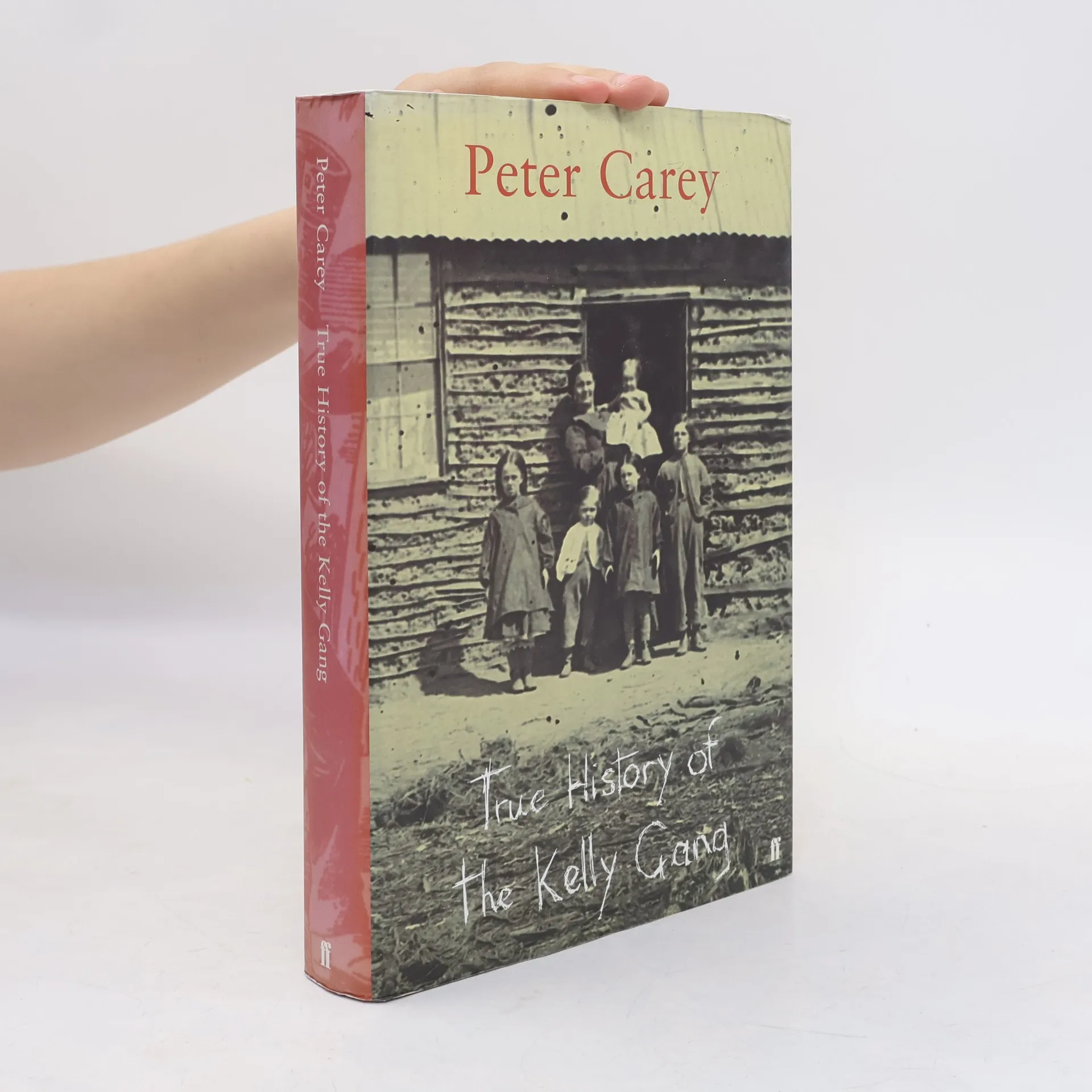
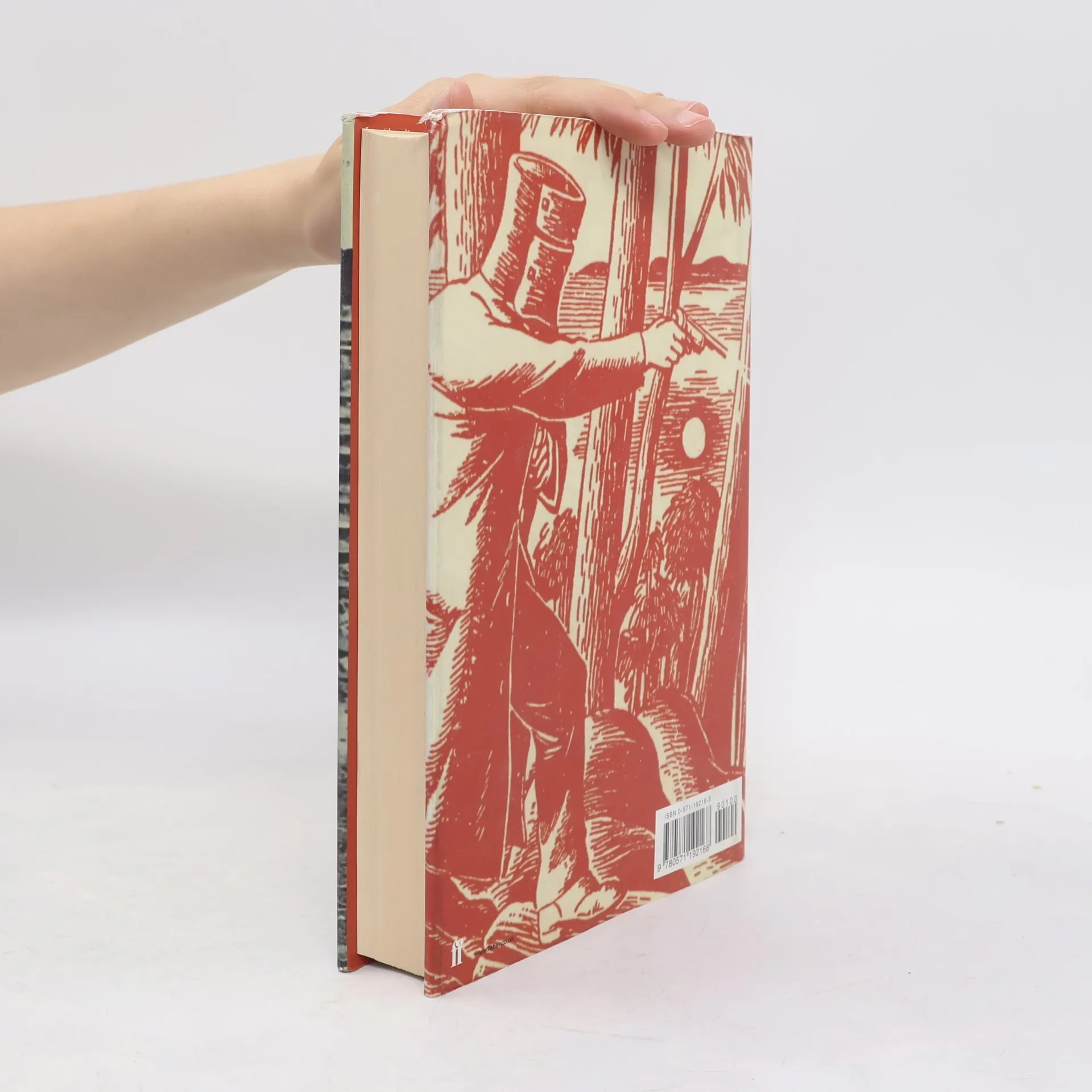
"What is it about we Australians, eh?" a schoolteacher questions, highlighting the complex legacy of Ned Kelly, a figure who elicits both admiration and disdain. To some, he is a psychopathic killer; to others, a folk hero. This sharpshooting outlaw evaded a brutal police manhunt for nearly two years, becoming an integral part of Australian national myth, even making an appearance at the Sydney Olympics alongside iconic symbols like kangaroos. Revisiting Kelly's story reveals much, particularly through Carey's remarkable vernacular poetry. His narrative voice—fierce, funny, and steeped in Irish legends—captures an Australia where English landowners exploit the land while settlers struggle to survive. Kelly, betrayed by authorities, finds solace in the power of words. He expresses a deep understanding of unfairness, shared among his fellow Australians, regardless of their social status. In Carey's portrayal, Kelly emerges as a literary hero, pouring his heart into letters to be heard—a bold ambition for the son of an Irish convict. His story resonates with Australians, reflecting the steep human cost of colonialism and the enduring memory of silenced voices. The narrative echoes Faulkner's assertion that "the past is not dead," revealing the haunting tragedies woven into the fabric of history.







Achat du livre
True History of the Kelly Gang, Peter Carey
- Langue

- Année de publication
- 2000
- product-detail.submit-box.info.binding
- (rigide),
- État du livre
- Abîmé
- Prix
- 2,18 €
Modes de paiement
Il manque plus que ton avis ici.
- Langue
- Anglais
- Auteurs
- Peter Carey
- Éditeur
- Faber and Faber
- Publié
- 2000
- Format
- rigide
- Pages
- 349
- ISBN10
- 0571192165
- ISBN13
- 9780571192168
- Séries
- Mots clés
- Fiction, Polars & Thrillers, Romans historiques, Polars, Mythes & Légendes, Adapté au cinéma, Australie, Littérature australienne, Paria, Colonisation, peuplement, Voleurs, Prix Booker, Robin des Bois, Bandits, Colonisation de l'Australie
- Première publication
- 2000
- Titre original
- True History of the Kelly Gang
- Évaluation
- 3,85 sur 5
- Description
- "What is it about we Australians, eh?" a schoolteacher questions, highlighting the complex legacy of Ned Kelly, a figure who elicits both admiration and disdain. To some, he is a psychopathic killer; to others, a folk hero. This sharpshooting outlaw evaded a brutal police manhunt for nearly two years, becoming an integral part of Australian national myth, even making an appearance at the Sydney Olympics alongside iconic symbols like kangaroos. Revisiting Kelly's story reveals much, particularly through Carey's remarkable vernacular poetry. His narrative voice—fierce, funny, and steeped in Irish legends—captures an Australia where English landowners exploit the land while settlers struggle to survive. Kelly, betrayed by authorities, finds solace in the power of words. He expresses a deep understanding of unfairness, shared among his fellow Australians, regardless of their social status. In Carey's portrayal, Kelly emerges as a literary hero, pouring his heart into letters to be heard—a bold ambition for the son of an Irish convict. His story resonates with Australians, reflecting the steep human cost of colonialism and the enduring memory of silenced voices. The narrative echoes Faulkner's assertion that "the past is not dead," revealing the haunting tragedies woven into the fabric of history.