


En savoir plus sur le livre
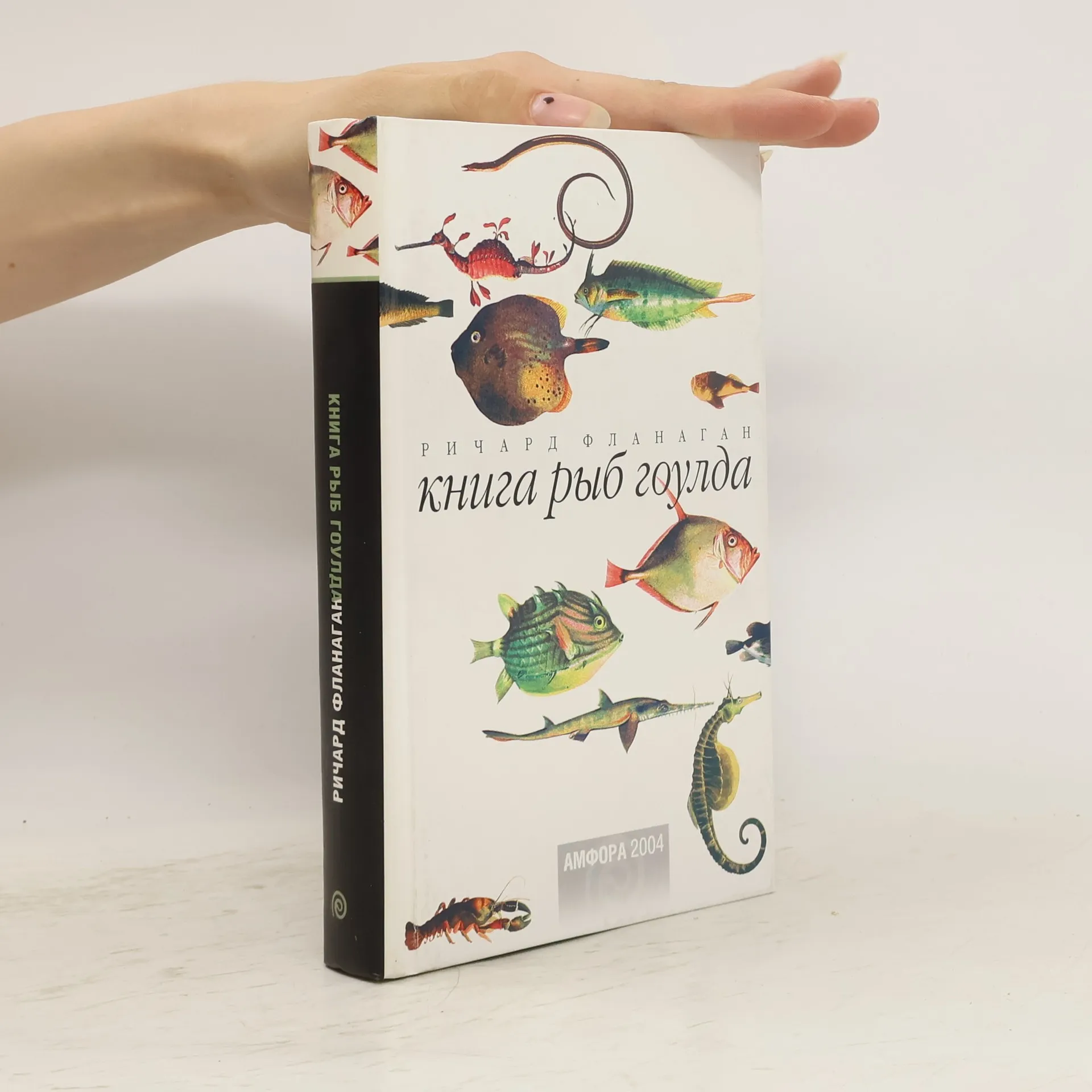
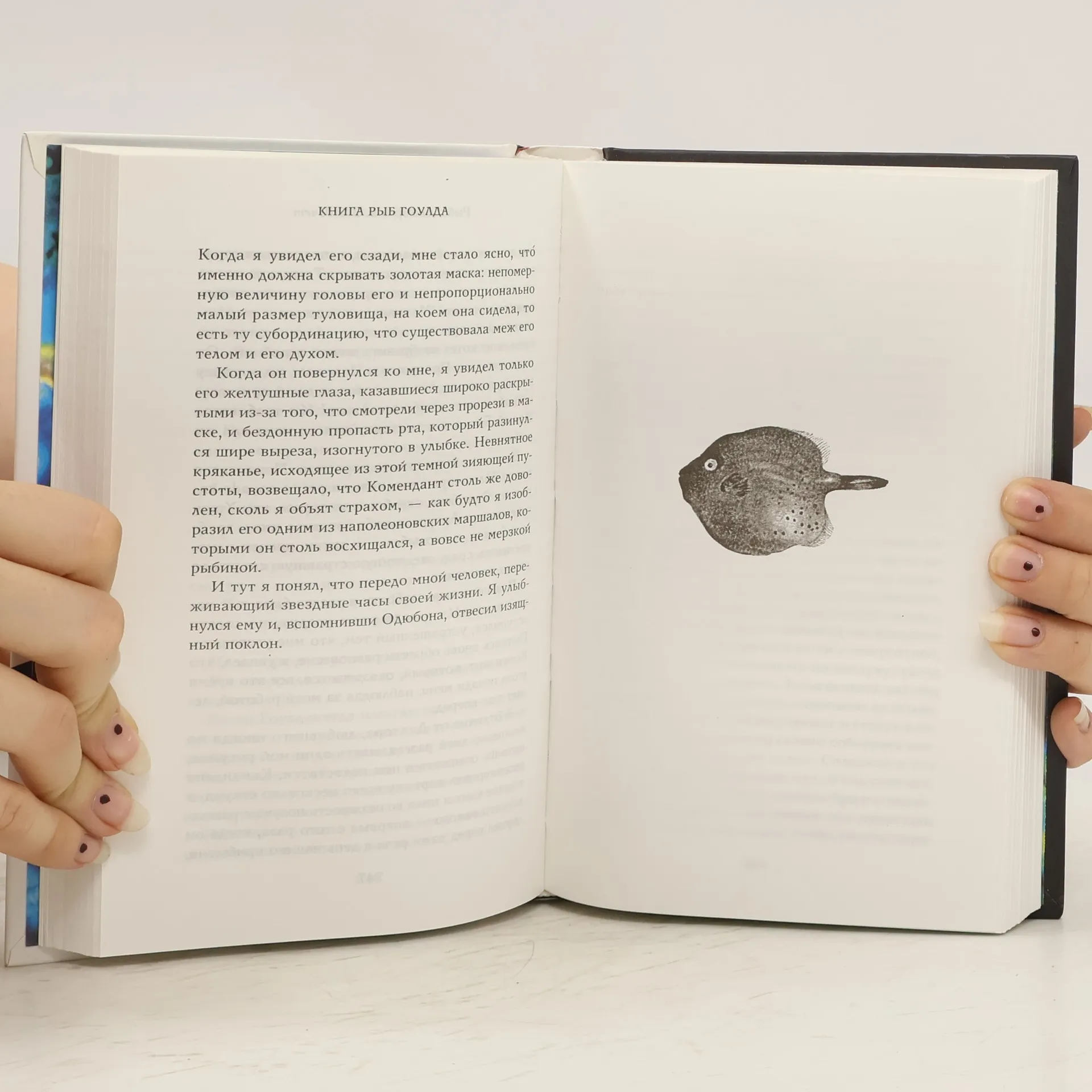
Gould's Book of Fish is an extraordinary work of fact-based fiction by Tasmanian author Richard Flanagan that is a journey through the fringe madness of colonialism. Set during the 1830s in a hellish island prison colony off the Tasmanian coast, the novel features real-life thief and prisoner, English forger William Buelow Gould, as the protagonist-narrator. Through Gould's unique capacity to blend hyperbole, hyperrealism, and self-effacing honesty, the reader acquires a shockingly clear picture of daily torment on the island. Remarkably, Gould also portrays the bizarre ambitions among prison authorities to further principles of art and science amidst so much misery. Key to such plans is Gould's talent as a painter and illustrator. The compound's surgeon, nursing hopes of publishing a definitive guide to the island's fish, relies heavily on Gould's ability to record the taxonomy of various species. Though Gould accommodates his masters, the manuscript becomes testimony to their perverse dreams of civilization and his own quick-witted survival instincts. Throughout, Flanagan maintains the well-imagined voice of Gould's candor and the character's dense descriptive powers, resulting in a thrilling text that reads like a blend of Melville and Burgess.





Achat du livre
Книга рыб Гоулда (Kniga ryb Goulda), Richard Flanagan
- Langue

- Année de publication
- 2004
- Reliure
- (rigide)
Modes de paiement
Il manque plus que ton avis ici.
- Langue
- Anglais
- Auteurs
- Richard Flanagan
- Publié
- 2004
- Format
- rigide
- ISBN10
- 5942785872
- ISBN13
- 9785942785871
- Séries
- Mots clés
- Fiction, Romans historiques, Cadeaux pour papy, Australie, Poissons, Littérature australienne, Empire britannique, Tasmanie
- Titre original
- Gould's book of fish
- Évaluation
- 3,75 sur 5
- Description
- Gould's Book of Fish is an extraordinary work of fact-based fiction by Tasmanian author Richard Flanagan that is a journey through the fringe madness of colonialism. Set during the 1830s in a hellish island prison colony off the Tasmanian coast, the novel features real-life thief and prisoner, English forger William Buelow Gould, as the protagonist-narrator. Through Gould's unique capacity to blend hyperbole, hyperrealism, and self-effacing honesty, the reader acquires a shockingly clear picture of daily torment on the island. Remarkably, Gould also portrays the bizarre ambitions among prison authorities to further principles of art and science amidst so much misery. Key to such plans is Gould's talent as a painter and illustrator. The compound's surgeon, nursing hopes of publishing a definitive guide to the island's fish, relies heavily on Gould's ability to record the taxonomy of various species. Though Gould accommodates his masters, the manuscript becomes testimony to their perverse dreams of civilization and his own quick-witted survival instincts. Throughout, Flanagan maintains the well-imagined voice of Gould's candor and the character's dense descriptive powers, resulting in a thrilling text that reads like a blend of Melville and Burgess.