



En savoir plus sur le livre
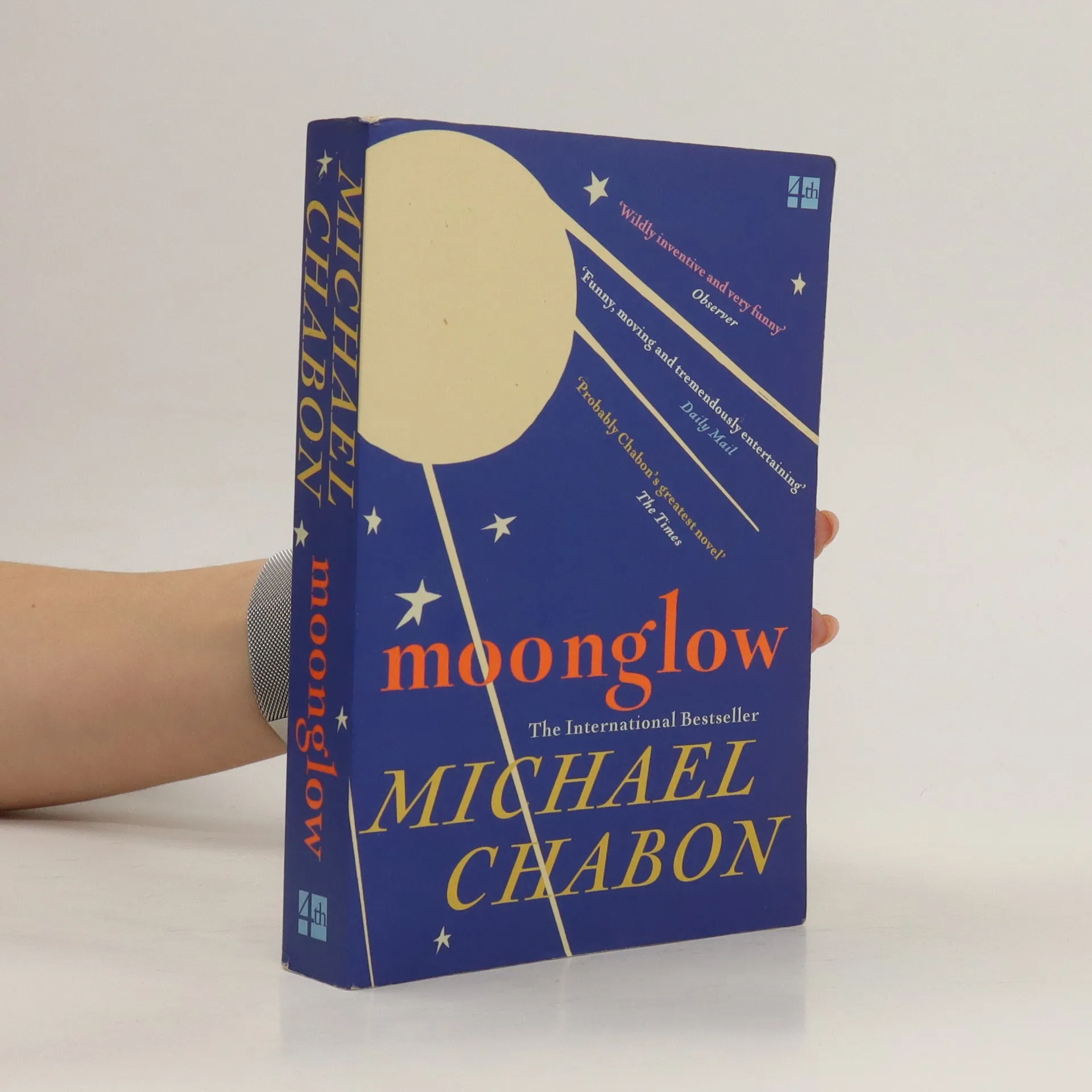
A NEW YORK TIMES BESTSELLER and notable book of the year across multiple platforms, this work is hailed as a masterful piece of sustained writing. It presents a compelling narrative that showcases the versatility of the novel form. The story unfolds as a deathbed confession from an old man, whose memories are stirred by painkillers and the proximity of death. He shares fragmented tales with his grandson, revealing a long-buried history. The narrative poses intriguing questions: Why did he attempt to strangle a business partner? What drove him to set explosives on a Washington, D.C. bridge? What were his thoughts while hunting Wernher von Braun in Germany? And what did he see in a young girl he met in Baltimore post-war? Spanning from the Jewish slums of pre-war Philadelphia to the invasion of Germany, and from a retirement village in Florida to a New York prison, the story encapsulates a vast era within a single life, compressing a lifetime into just one week. The brilliance of this work serves as a striking defense of storytelling and its power to shape our understanding of history and identity.






Achat du livre
Moonglow, Michael Chabon
- Langue

- Année de publication
- 2017
- Reliure
- (souple)
Modes de paiement
Il manque plus que ton avis ici.
- Titre
- Moonglow
- Langue
- Anglais
- Auteurs
- Michael Chabon
- Éditeur
- 4th Estate
- Publié
- 2017
- Format
- souple
- ISBN10
- 0007548923
- ISBN13
- 9780007548927
- Séries
- Mots clés
- Fiction, Thème historique, Romans historiques, Famille, Littérature contemporaine, États-Unis, Prose de guerre, Guerres, Seconde Guerre mondiale, 20e siècle, Littérature américaine, Roman social, Mort, Holocauste, Nazisme, Littérature juive, Généalogie, Humour Noir, Littérature postmoderne, Grand-père, Grands-parents
- Première publication
- 2016
- Titre original
- Moonglow
- Évaluation
- 3,9 sur 5
- Description
- A NEW YORK TIMES BESTSELLER and notable book of the year across multiple platforms, this work is hailed as a masterful piece of sustained writing. It presents a compelling narrative that showcases the versatility of the novel form. The story unfolds as a deathbed confession from an old man, whose memories are stirred by painkillers and the proximity of death. He shares fragmented tales with his grandson, revealing a long-buried history. The narrative poses intriguing questions: Why did he attempt to strangle a business partner? What drove him to set explosives on a Washington, D.C. bridge? What were his thoughts while hunting Wernher von Braun in Germany? And what did he see in a young girl he met in Baltimore post-war? Spanning from the Jewish slums of pre-war Philadelphia to the invasion of Germany, and from a retirement village in Florida to a New York prison, the story encapsulates a vast era within a single life, compressing a lifetime into just one week. The brilliance of this work serves as a striking defense of storytelling and its power to shape our understanding of history and identity.