

En savoir plus sur le livre
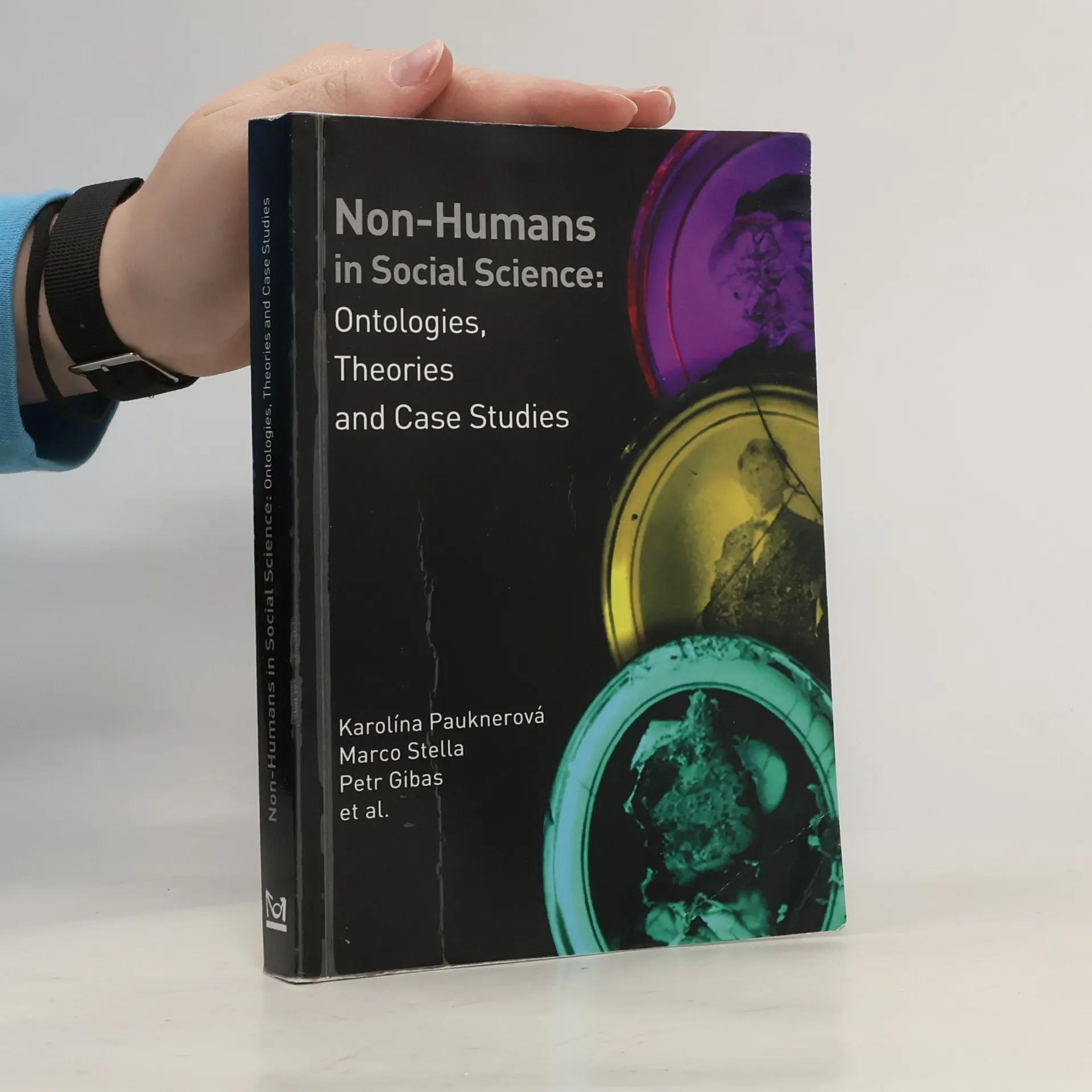
The book explores the issue of non-humans and their role and position within contemporary social sciences. Inspired by current trends of bridging the dichotomy of nature and culture, the authors use the „non-human“ as a prism that offers a different perspective of the world, society, culture and last but not least, deing(s). To start paying attention to non-humans has the potential to hybridize social sciences and in turn enrich them as well as to offer social scientists novel perspectives and tools to approach social phenomena. Such an attitude might in turn lead to a rassessment of understanding of the relationship between the world and being, and of the categories of being and subject, hence the potential of non-humans to stimulate an ontological shift within social sciences.


Achat du livre
Non-humans in Social Science, Karolína Pauknerová, Marco Stella, Petr Gibas
- Langue

- Année de publication
- 2014
- Reliure
- (souple)
Modes de paiement
Personne n'a encore évalué .
- Titre
- Non-humans in Social Science
- Sous-titre
- Ontologies, Theories and Case Studies
- Langue
- Anglais
- Auteurs
- Karolína Pauknerová, Marco Stella, Petr Gibas
- Éditeur
- Pavel Mervart
- Publié
- 2014
- Format
- souple
- Pages
- 353
- ISBN10
- 8074651223
- ISBN13
- 9788074651229
- Séries
- Catégories
- Mots clés
- Manuels universitaires
- Description
- The book explores the issue of non-humans and their role and position within contemporary social sciences. Inspired by current trends of bridging the dichotomy of nature and culture, the authors use the „non-human“ as a prism that offers a different perspective of the world, society, culture and last but not least, deing(s). To start paying attention to non-humans has the potential to hybridize social sciences and in turn enrich them as well as to offer social scientists novel perspectives and tools to approach social phenomena. Such an attitude might in turn lead to a rassessment of understanding of the relationship between the world and being, and of the categories of being and subject, hence the potential of non-humans to stimulate an ontological shift within social sciences.