

Évaluation du livre
En savoir plus sur le livre
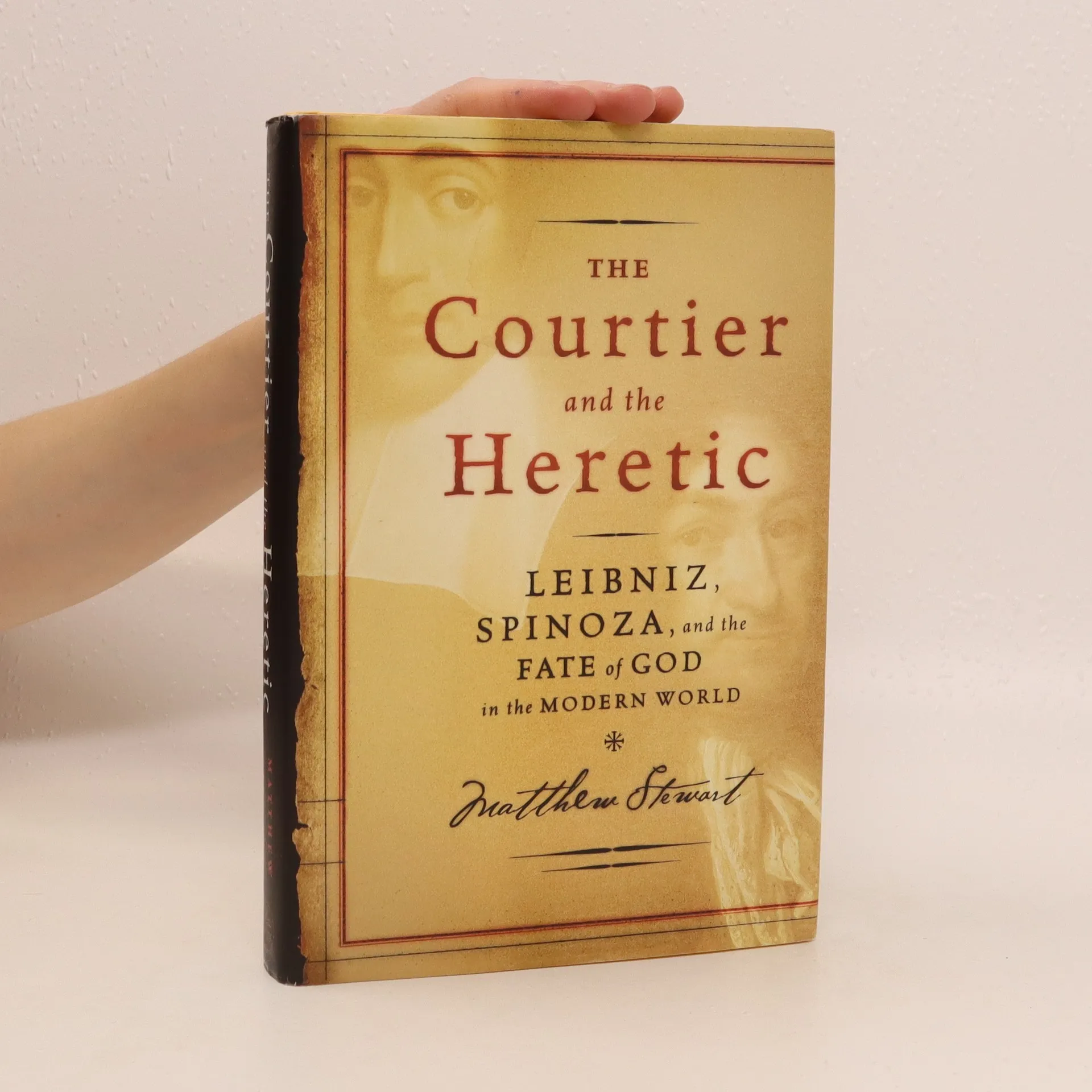
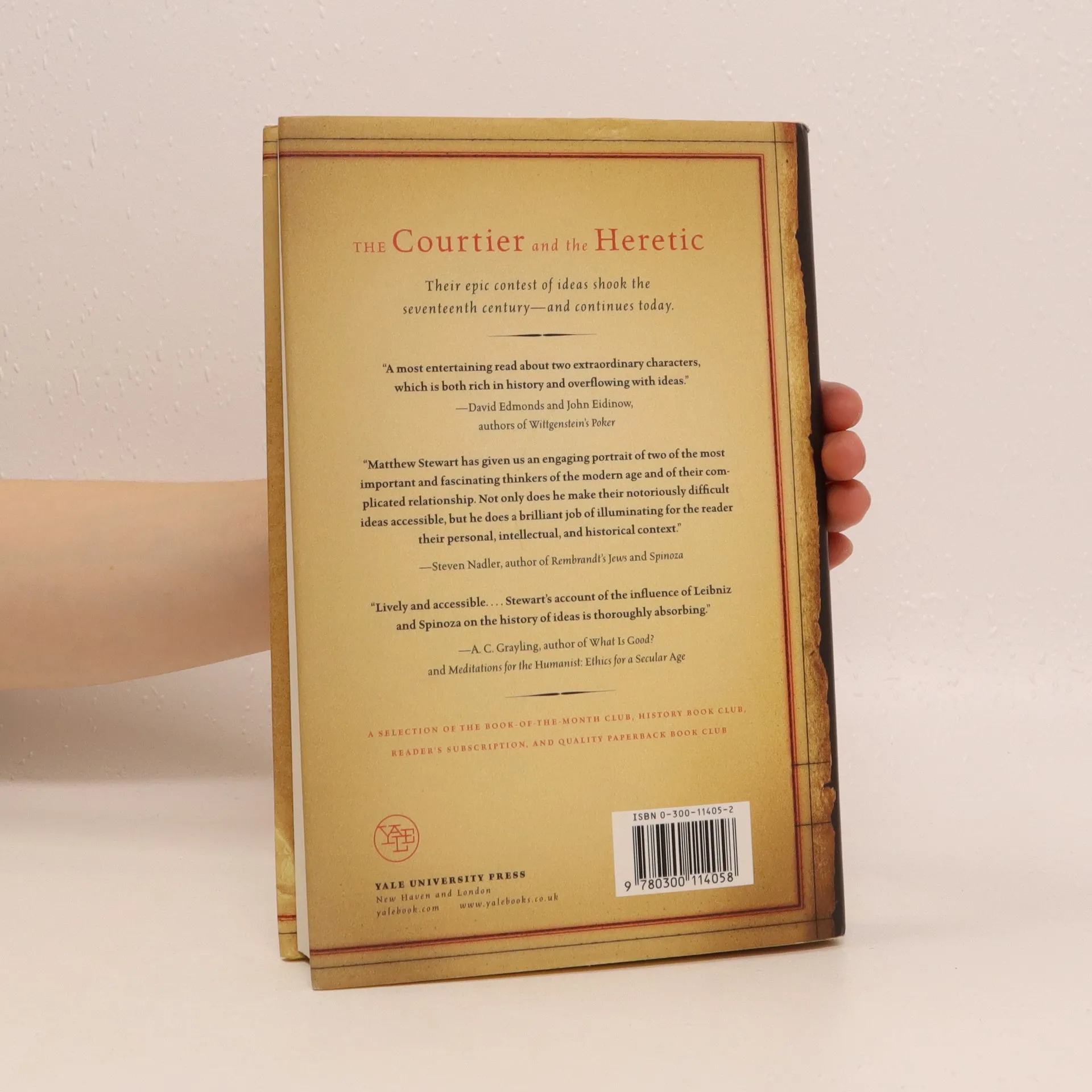
Philosophy in the late seventeenth century was a dangerous business. No careerist could afford to know the reclusive philosopher known as an atheist Jew, Baruch de Spinoza. Yet the wildly ambitious young genius Gottfried Wilhelm Leibniz became obsessed with Spinoza's writings, wrote him clandestine letters, and ultimately called on Spinoza in person at his home in The Hague. Both men were at the centre of the intense religious, political, and personal battles that gave birth to the modern age. One was a hermit with many friends; the other, a socialite no one trusted. One believed in a God whom almost nobody thought divine; the other defended a God in whom he probably did not believe. Their characters and ways of life defined their philosophies. In this exquisitely written philosophical romance of attraction and repulsion, greed and virtue, religion and heresy, Matthew Stewart dramatizes a titanic clash of beliefs that still continues today.


Achat du livre
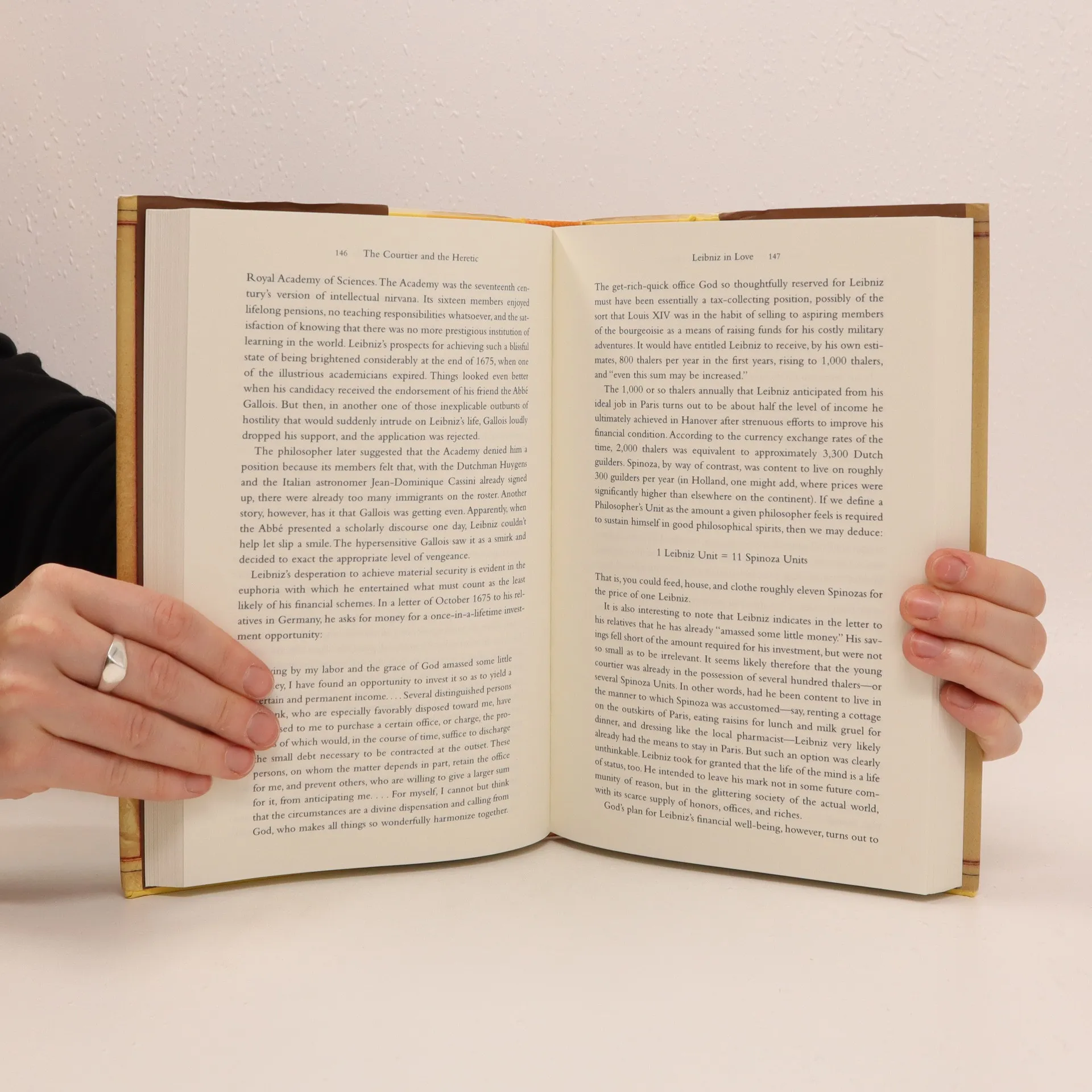
The courtier and the heretic : Leibniz, Spinoza, and the fate of God in the modern world, Matthew Stewart
- Langue

- Année de publication
- 2005
- Reliure
- (rigide)
Modes de paiement
Il manque plus que ton avis ici.
- Langue
- Anglais
- Auteurs
- Matthew Stewart
- Éditeur
- Yale University Press
- Publié
- 2005
- Format
- rigide
- Pages
- 351
- ISBN10
- 0300114052
- ISBN13
- 9780300114058
- Séries
- Mots clés
- Nonfiction, Sciences sociales, Thème historique, Histoire, Esotérisme & Religion, Histoires vraies, Biographies, Thèmes religieux, Thématique philosophique, Religion, Philosophie, Science, Théologie
- Évaluation
- 3,95 sur 5
- Description
- Philosophy in the late seventeenth century was a dangerous business. No careerist could afford to know the reclusive philosopher known as an atheist Jew, Baruch de Spinoza. Yet the wildly ambitious young genius Gottfried Wilhelm Leibniz became obsessed with Spinoza's writings, wrote him clandestine letters, and ultimately called on Spinoza in person at his home in The Hague. Both men were at the centre of the intense religious, political, and personal battles that gave birth to the modern age. One was a hermit with many friends; the other, a socialite no one trusted. One believed in a God whom almost nobody thought divine; the other defended a God in whom he probably did not believe. Their characters and ways of life defined their philosophies. In this exquisitely written philosophical romance of attraction and repulsion, greed and virtue, religion and heresy, Matthew Stewart dramatizes a titanic clash of beliefs that still continues today.