

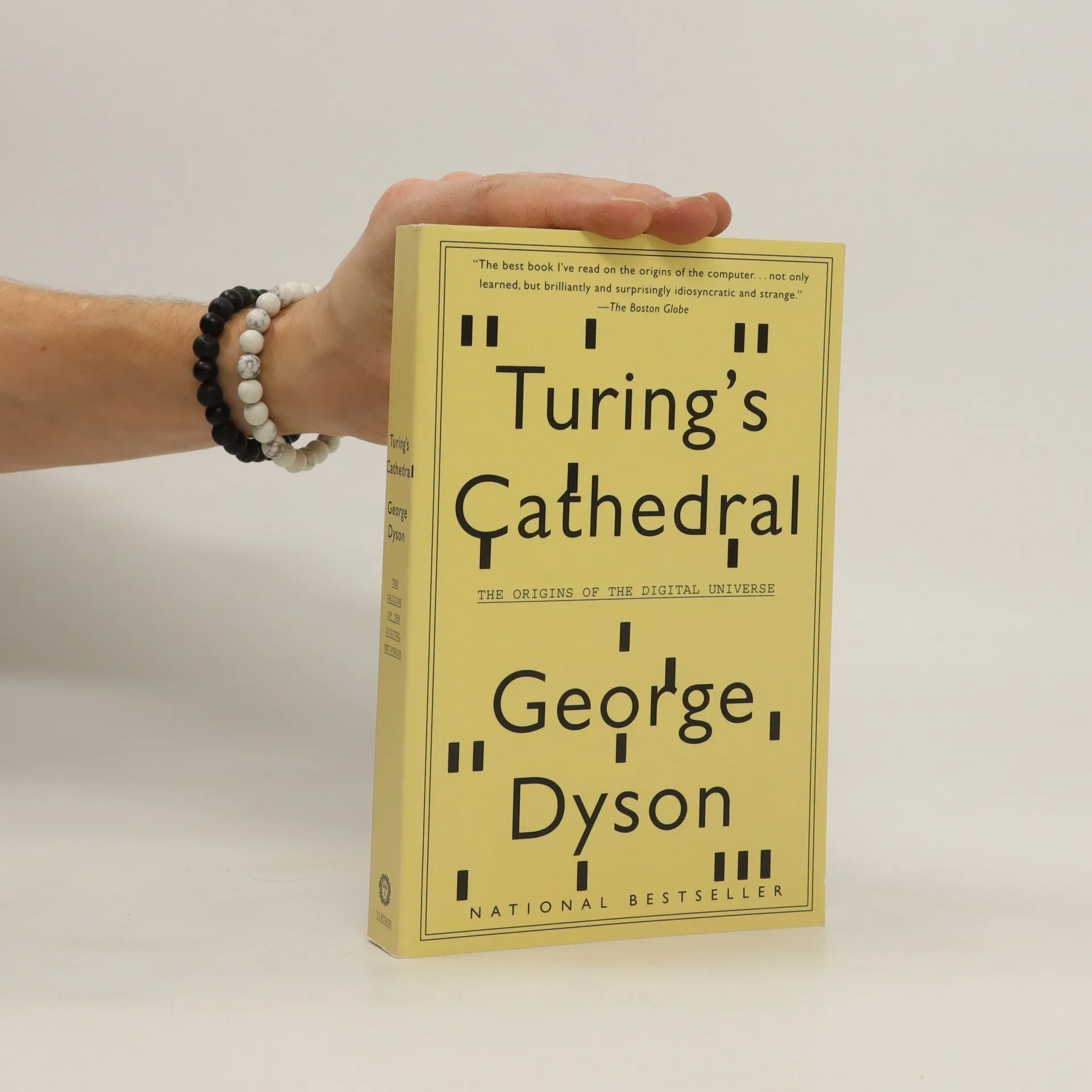


Turing's cathedral : the origins of the digital universe
Auteurs
Évaluation du livre
En savoir plus sur le livre
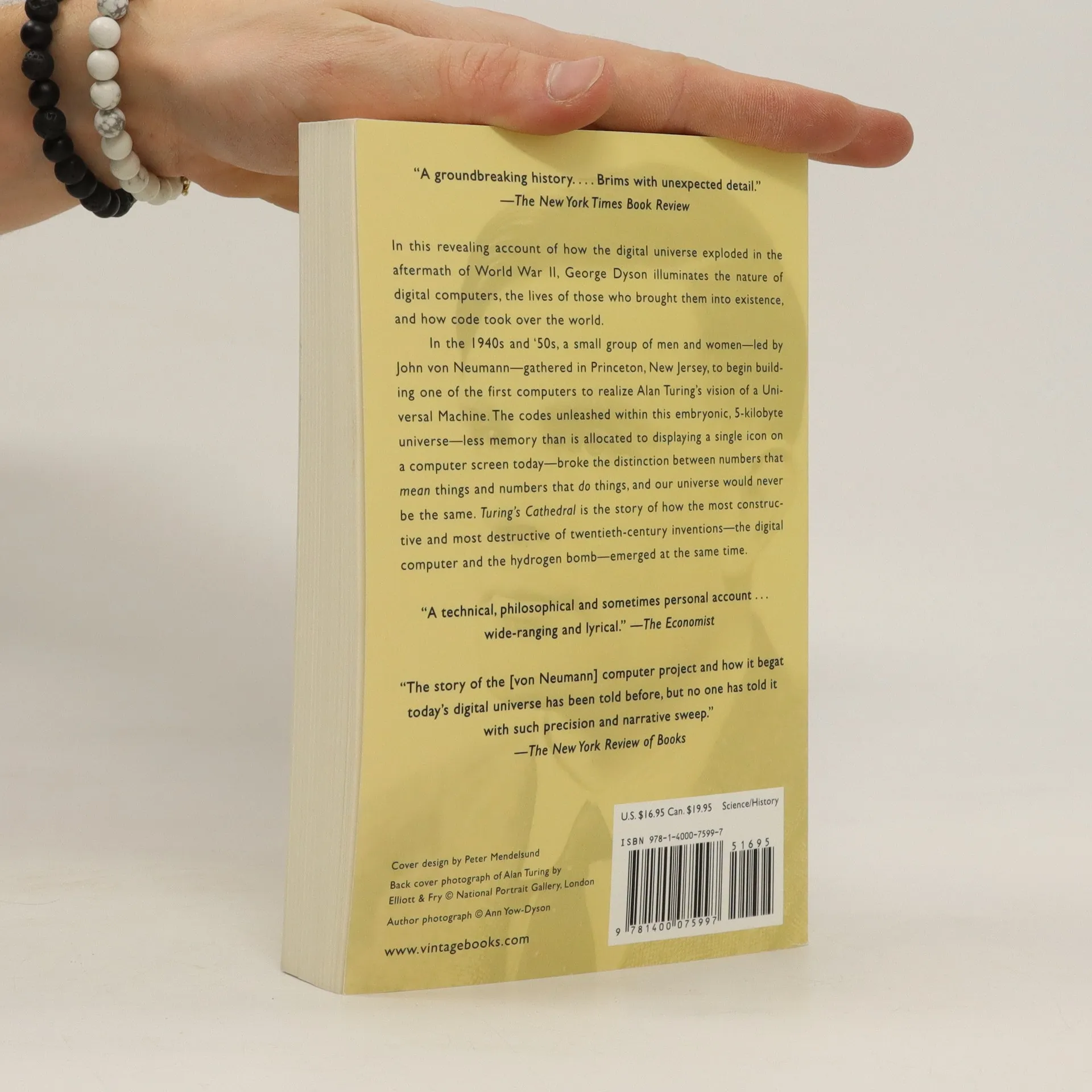
A Wall Street Journal Best Business Book of 2012 A Kirkus Reviews Best Book of 2012 In this revealing account of how the digital universe exploded in the aftermath of World War II, George Dyson illuminates the nature of digital computers, the lives of those who brought them into existence, and how code took over the world. In the 1940s and ‘50s, a small group of men and women—led by John von Neumann—gathered in Princeton, New Jersey, to begin building one of the first computers to realize Alan Turing’s vision of a Universal Machine. The codes unleashed within this embryonic, 5-kilobyte universe—less memory than is allocated to displaying a single icon on a computer screen today—broke the distinction between numbers that mean things and numbers that do things, and our universe would never be the same. Turing’s Cathedral is the story of how the most constructive and most destructive of twentieth-century inventions—the digital computer and the hydrogen bomb—emerged at the same time.

Édition

Achat du livre
Turing's cathedral : the origins of the digital universe, George Dyson
- Langue

- Année de publication
- 2012
- Reliure
- (souple)
Modes de paiement
Il manque plus que ton avis ici.
- Titre
- Turing's cathedral : the origins of the digital universe
- Langue
- Anglais
- Auteurs
- George Dyson
- Éditeur
- Vintage
- Publié
- 2012
- Format
- souple
- ISBN10
- 1400075998
- ISBN13
- 9781400075997
- Séries
- Catégories
- Mots clés
- Thème historique, Science, Technologie
- Évaluation
- 3,65 sur 5
- Description
- A Wall Street Journal Best Business Book of 2012 A Kirkus Reviews Best Book of 2012 In this revealing account of how the digital universe exploded in the aftermath of World War II, George Dyson illuminates the nature of digital computers, the lives of those who brought them into existence, and how code took over the world. In the 1940s and ‘50s, a small group of men and women—led by John von Neumann—gathered in Princeton, New Jersey, to begin building one of the first computers to realize Alan Turing’s vision of a Universal Machine. The codes unleashed within this embryonic, 5-kilobyte universe—less memory than is allocated to displaying a single icon on a computer screen today—broke the distinction between numbers that mean things and numbers that do things, and our universe would never be the same. Turing’s Cathedral is the story of how the most constructive and most destructive of twentieth-century inventions—the digital computer and the hydrogen bomb—emerged at the same time.