Bookbot

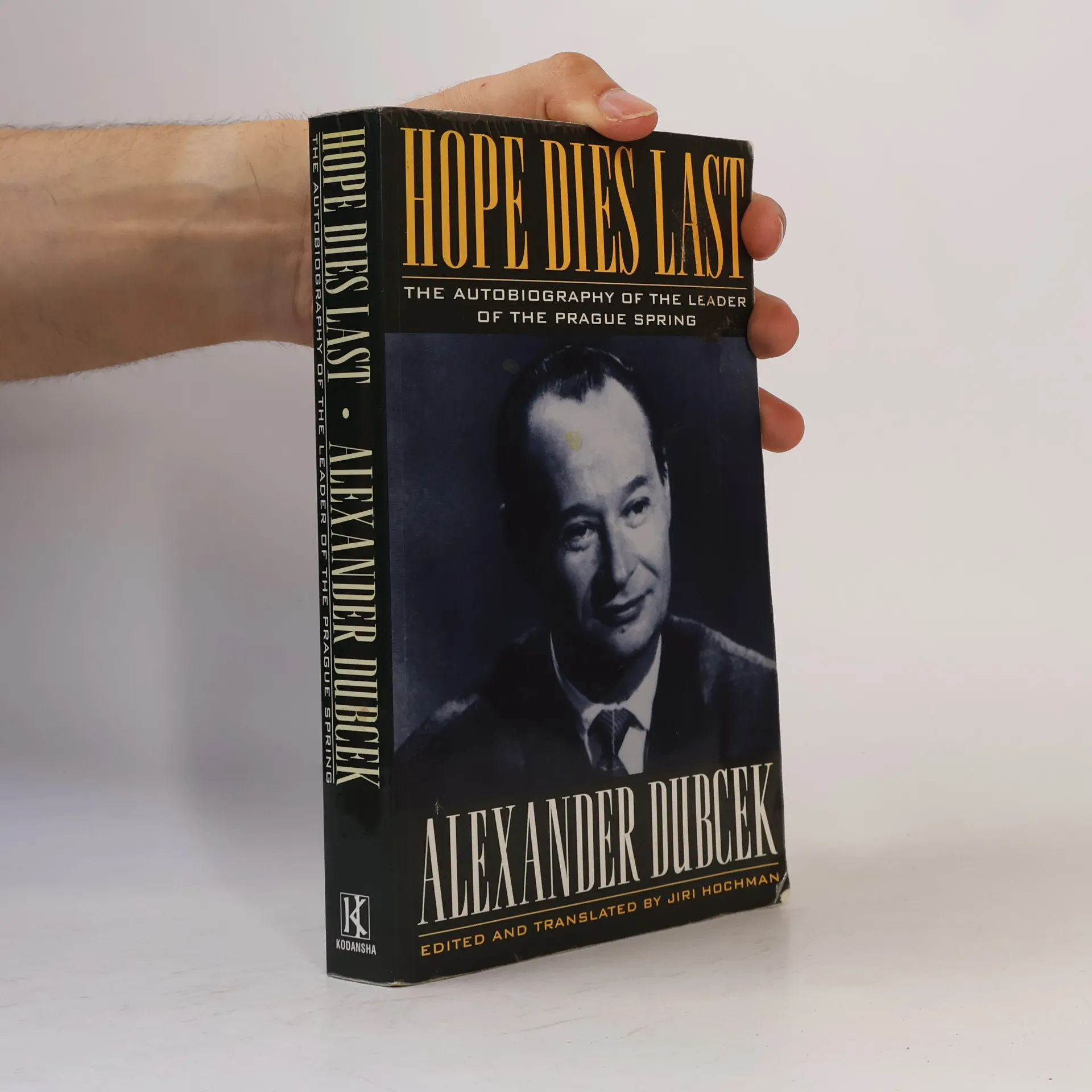
Hope Dies Last : The Autobiography of Alexander Dubcek

Évaluation du livre

En savoir plus sur le livre

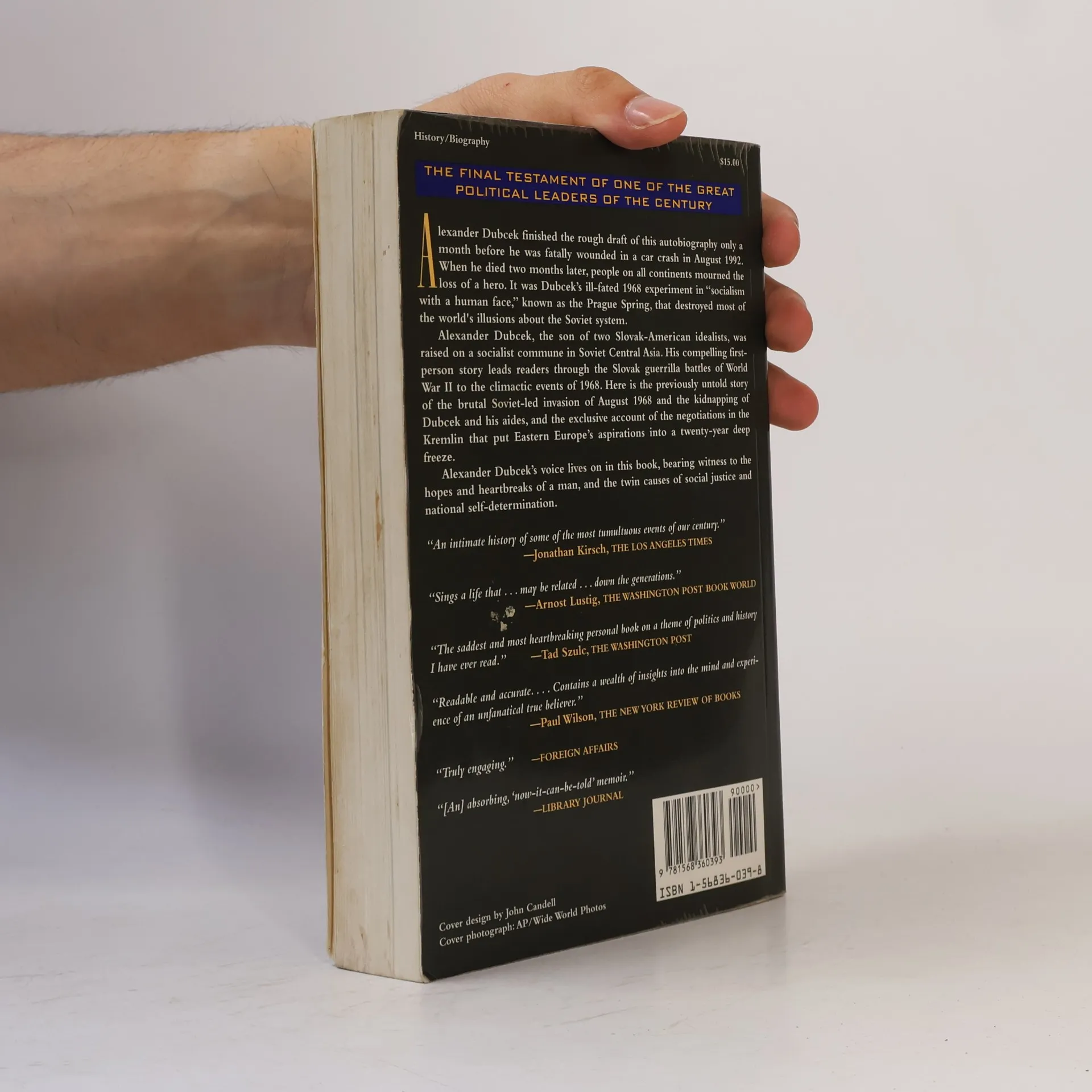
Like my parents, I sought the modest goal of a safe job and a small house for my family. This dream resonates with many. When Alexander Dubcek died on November 1, 1992, people worldwide mourned a hero. Global leaders paid tribute to the man from 1968, while ordinary citizens recognized the loss of a powerful advocate for democracy and autonomy for smaller nations. Dubcek's "socialism with a human face," known as the Prague Spring, shattered illusions about the Soviet system, and his vindication during the Velvet Revolution of 1989 established a living democratic tradition in Czechoslovakia. Born to Slovak-American idealists and raised in a socialist commune, Dubcek's journey encompasses guerrilla battles in World War II and the complex history of the Slovak people. The narrative intensifies with tense negotiations and maneuvers as Dubcek and his reformers strive to implement changes before Soviet intervention. The brutal invasion on August 21, 1968, led to Dubcek's kidnapping by the KGB. Following the Prague Spring's demise, he lived in exile as a forestry worker and later became a catalyst for Eastern European liberation during perestroika. Just before his tragic death in a car accident, Dubcek was favored to become president of the emerging Slovak Republic, embodying the hopes and struggles for social justice and self-determination. His memoirs serve as a testament to these enduring ideals.

Achat du livre

Hope Dies Last : The Autobiography of Alexander Dubcek, Jiří Hochman

Langue
Année de publication
1993
product-detail.submit-box.info.binding
(rigide)
Nous vous informerons par e-mail dès que nous l’aurons retrouvé.

Modes de paiement

4,0
Très bien
3 Évaluations

Il manque plus que ton avis ici.

Titre
Hope Dies Last : The Autobiography of Alexander Dubcek
Langue
Anglais
Publié
1993
Format
rigide
Pages
354
ISBN10
1568360002
ISBN13
9781568360003
Séries
Évaluation
4 sur 5
Description
Like my parents, I sought the modest goal of a safe job and a small house for my family. This dream resonates with many. When Alexander Dubcek died on November 1, 1992, people worldwide mourned a hero. Global leaders paid tribute to the man from 1968, while ordinary citizens recognized the loss of a powerful advocate for democracy and autonomy for smaller nations. Dubcek's "socialism with a human face," known as the Prague Spring, shattered illusions about the Soviet system, and his vindication during the Velvet Revolution of 1989 established a living democratic tradition in Czechoslovakia. Born to Slovak-American idealists and raised in a socialist commune, Dubcek's journey encompasses guerrilla battles in World War II and the complex history of the Slovak people. The narrative intensifies with tense negotiations and maneuvers as Dubcek and his reformers strive to implement changes before Soviet intervention. The brutal invasion on August 21, 1968, led to Dubcek's kidnapping by the KGB. Following the Prague Spring's demise, he lived in exile as a forestry worker and later became a catalyst for Eastern European liberation during perestroika. Just before his tragic death in a car accident, Dubcek was favored to become president of the emerging Slovak Republic, embodying the hopes and struggles for social justice and self-determination. His memoirs serve as a testament to these enduring ideals.