

En savoir plus sur le livre
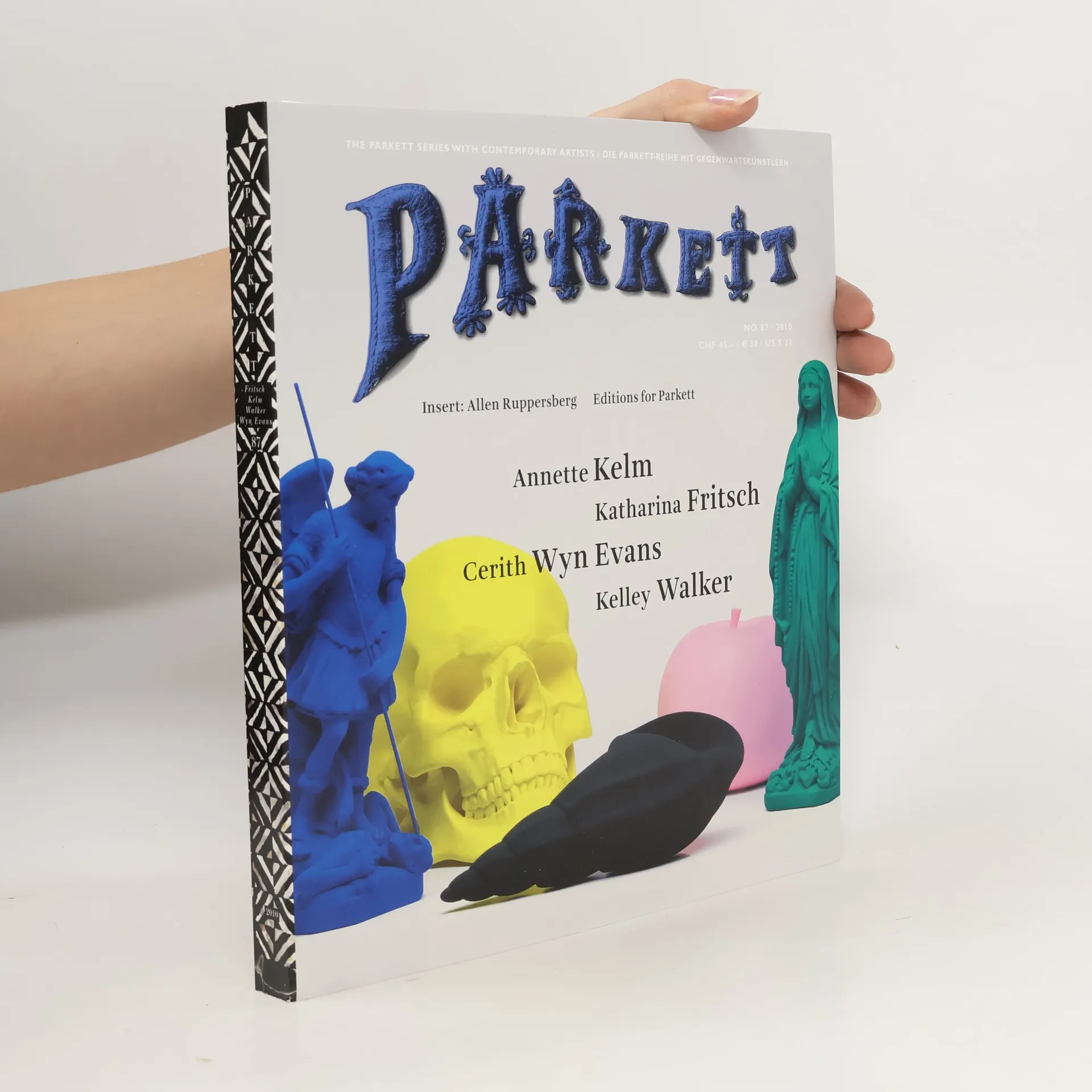
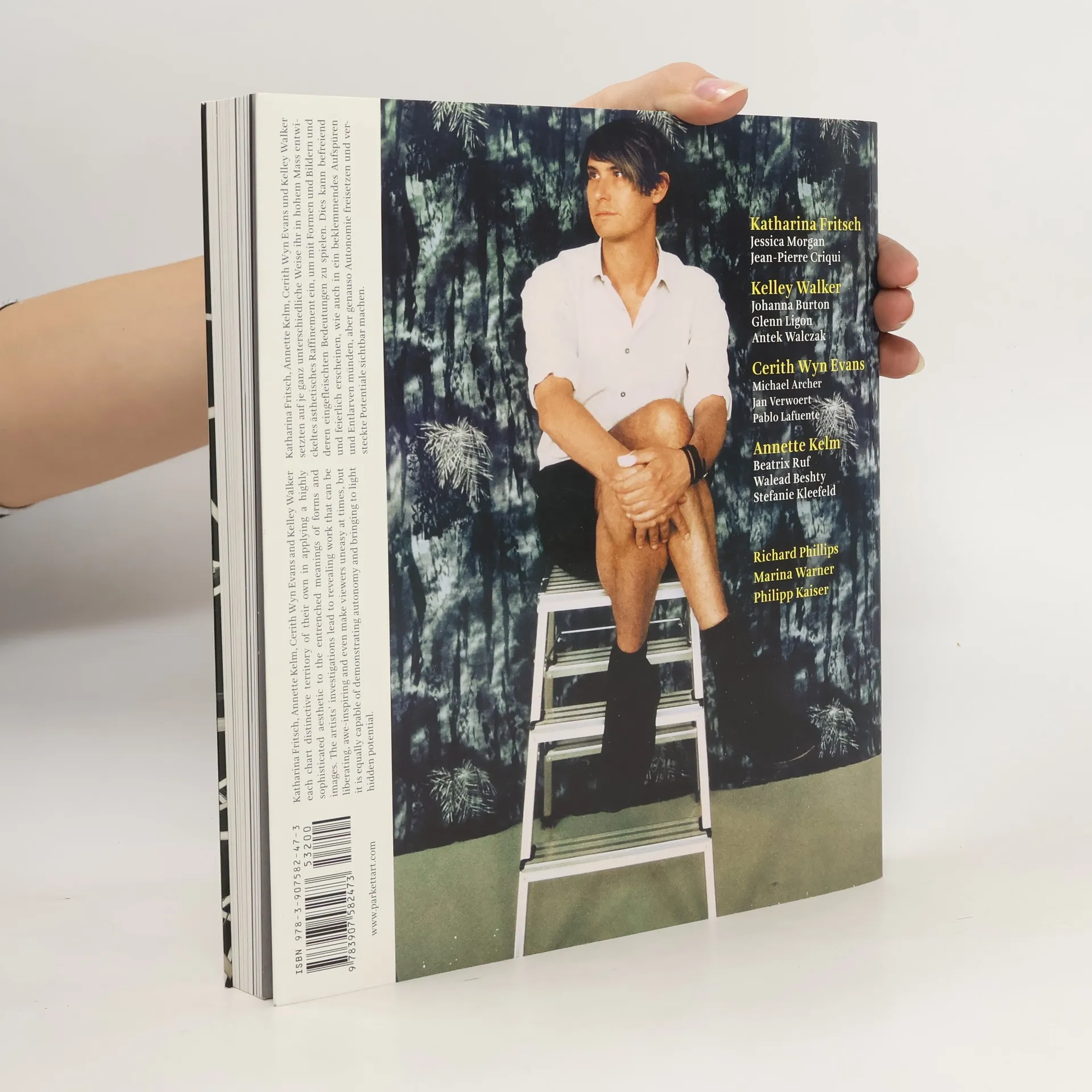
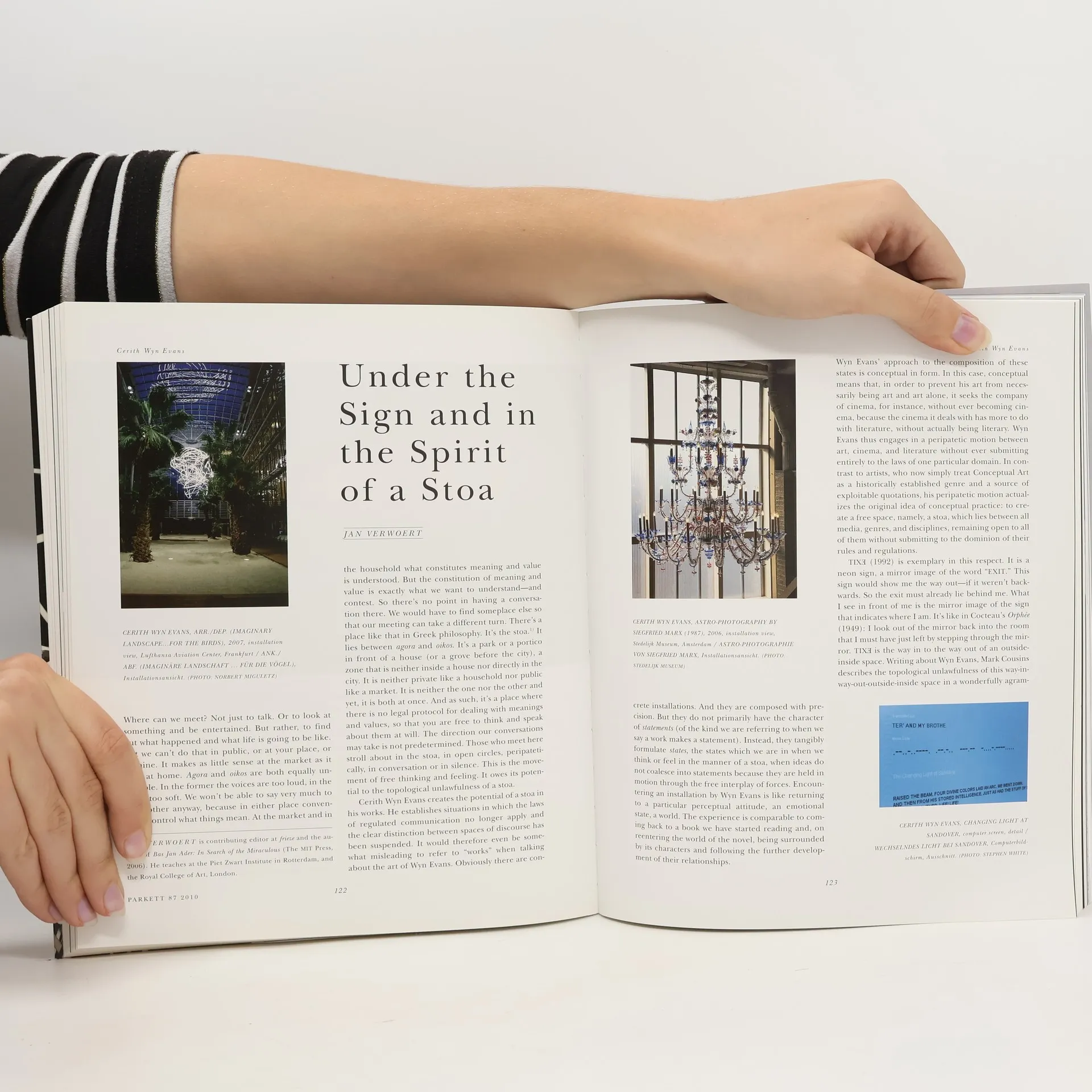
Parkett continues its 25th anniversary with a text by Marina Warner on the Trans-Atlantic cable; a persuasive argument by Richard Phillips for the faux-naïf painter Adolf Dietrich (1877-1957); and Philip Kaiser's examination of the Met's recent Pictures Generation show. London-based Cerith Wyn Evans is perhaps best known for his hypnotic neon signs; as Michael Archer notes, Walter Benjamin saw content not just in the sign but in its reflection. Both Pablo Lafuente and Jan Verwoert name London's magnetic fields of the 1970s as a major influence. Katharina Fritsch is best known for her monochromatic figures cast in plaster. Jessica Morgan sees these immaculately articulated forms as "amplifications," while Jean-Pierre Criqui responds to just the their ghostliness. Annette Kelm's photographs possess a frightening sense of obsolescence; according to Beatrix Ruf, their baffling stories begin with a detail that seems to have lost its potency. Kelley Walker's work embraces contradiction and contrast, as Johanna Burton witnessed upon viewing the eclectic collection of artifacts and memorabilia in his studio. Antek Walczak evaluates Walker's appropriation of the recycling logo, and Glenn Ligon addresses the anxiety behind his African-American imagery. Allen Ruppersberg supplies an insert for the issue.
Achat du livre
Parkett 87, Collectif d'auteurs
- Langue

- Année de publication
- 2010
- Reliure
- (souple)
Modes de paiement
Il manque plus que ton avis ici.
- Titre
- Parkett 87
- Langue
- Anglais
- Auteurs
- Collectif d'auteurs
- Éditeur
- Parkett
- Publié
- 2010
- Format
- souple
- Pages
- 300
- ISBN10
- 3907582470
- ISBN13
- 9783907582473
- Séries
- Catégories
- Mots clés
- Journalisme et Publication
- Évaluation
- 4,65 sur 5
- Description
- Parkett continues its 25th anniversary with a text by Marina Warner on the Trans-Atlantic cable; a persuasive argument by Richard Phillips for the faux-naïf painter Adolf Dietrich (1877-1957); and Philip Kaiser's examination of the Met's recent Pictures Generation show. London-based Cerith Wyn Evans is perhaps best known for his hypnotic neon signs; as Michael Archer notes, Walter Benjamin saw content not just in the sign but in its reflection. Both Pablo Lafuente and Jan Verwoert name London's magnetic fields of the 1970s as a major influence. Katharina Fritsch is best known for her monochromatic figures cast in plaster. Jessica Morgan sees these immaculately articulated forms as "amplifications," while Jean-Pierre Criqui responds to just the their ghostliness. Annette Kelm's photographs possess a frightening sense of obsolescence; according to Beatrix Ruf, their baffling stories begin with a detail that seems to have lost its potency. Kelley Walker's work embraces contradiction and contrast, as Johanna Burton witnessed upon viewing the eclectic collection of artifacts and memorabilia in his studio. Antek Walczak evaluates Walker's appropriation of the recycling logo, and Glenn Ligon addresses the anxiety behind his African-American imagery. Allen Ruppersberg supplies an insert for the issue.