


En savoir plus sur le livre
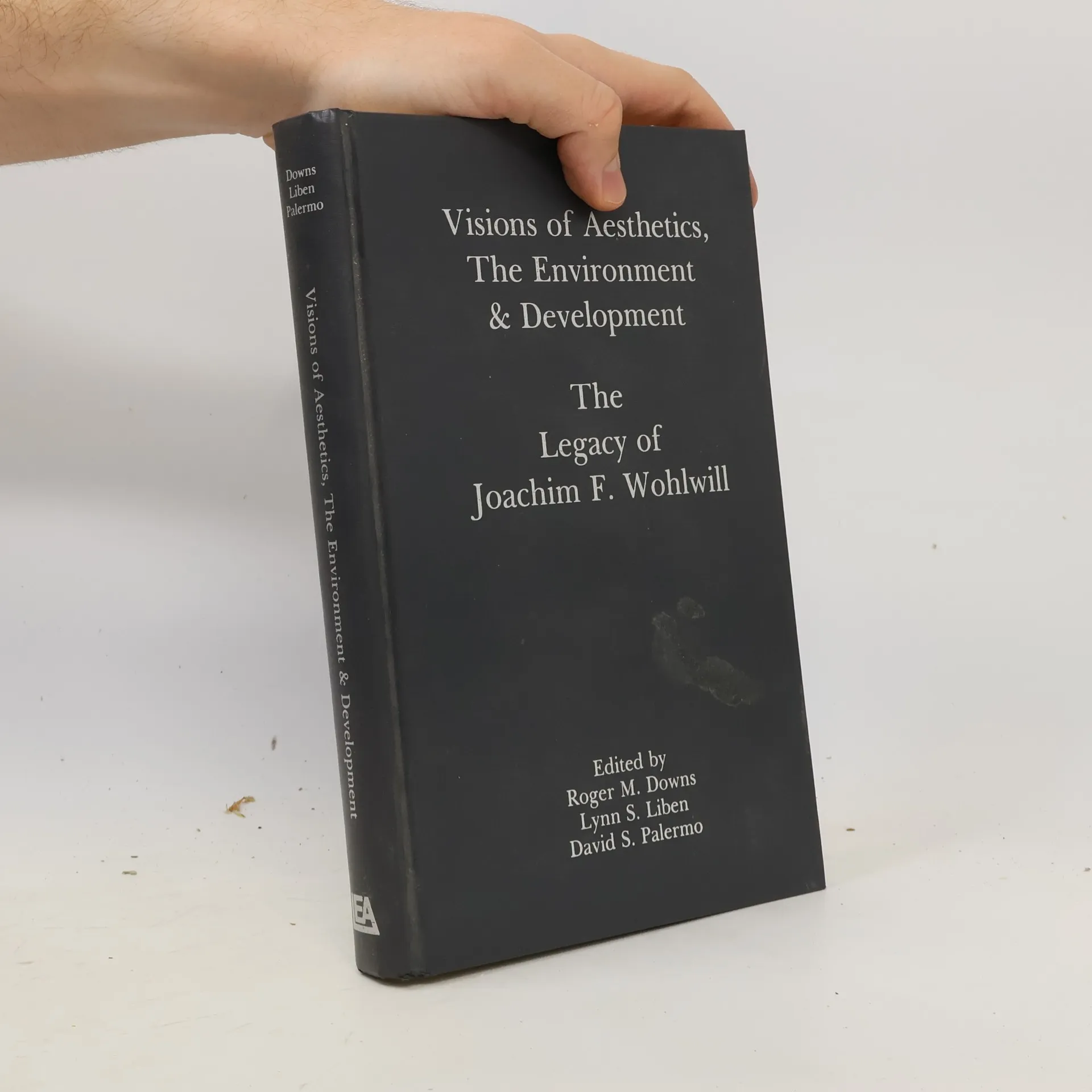
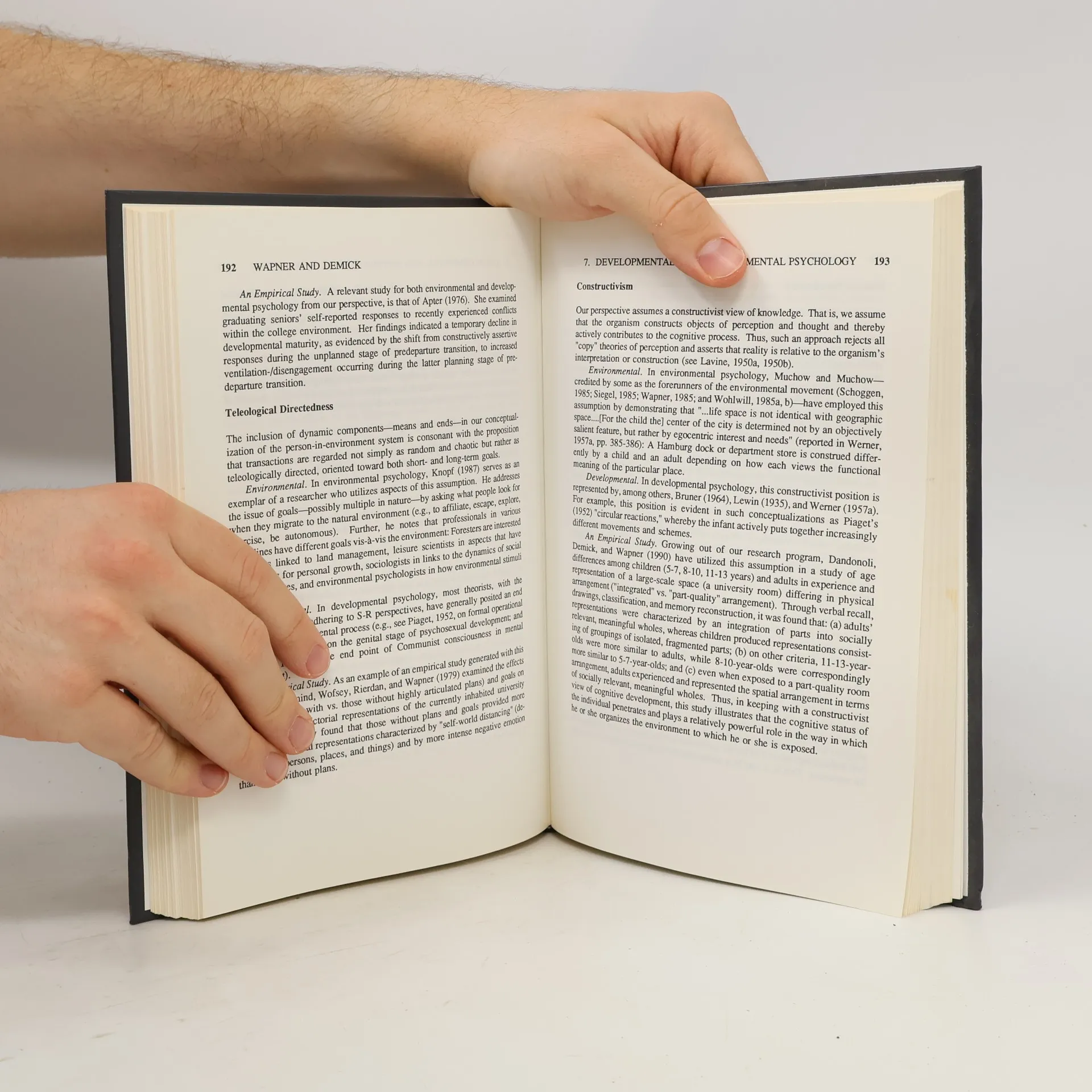
Derived from a conference honoring the legacy of Joachim Wohlwill, this volume is designed to reflect as many facets of the late scholar's wide-ranging work as possible. As its title indicates, the book identifies three broad areas in which Wohlwill made significant contributions: art and aesthetics, human-environment interaction, and concepts of development. In each of these areas Wohlwill made seminal contributions, helping to shape, maintain, and even change the direction of research and thought. Specific topics addressed here by his colleagues, students, and contemporaries include: the shape of development, the intermingling of perception and cognition, the balance between innate and acquired processes, the relation between environmental and ecological psychology, the development of the ability to use external representations of the physical environment, and the way world views underpin beliefs about the nature of development.


Achat du livre
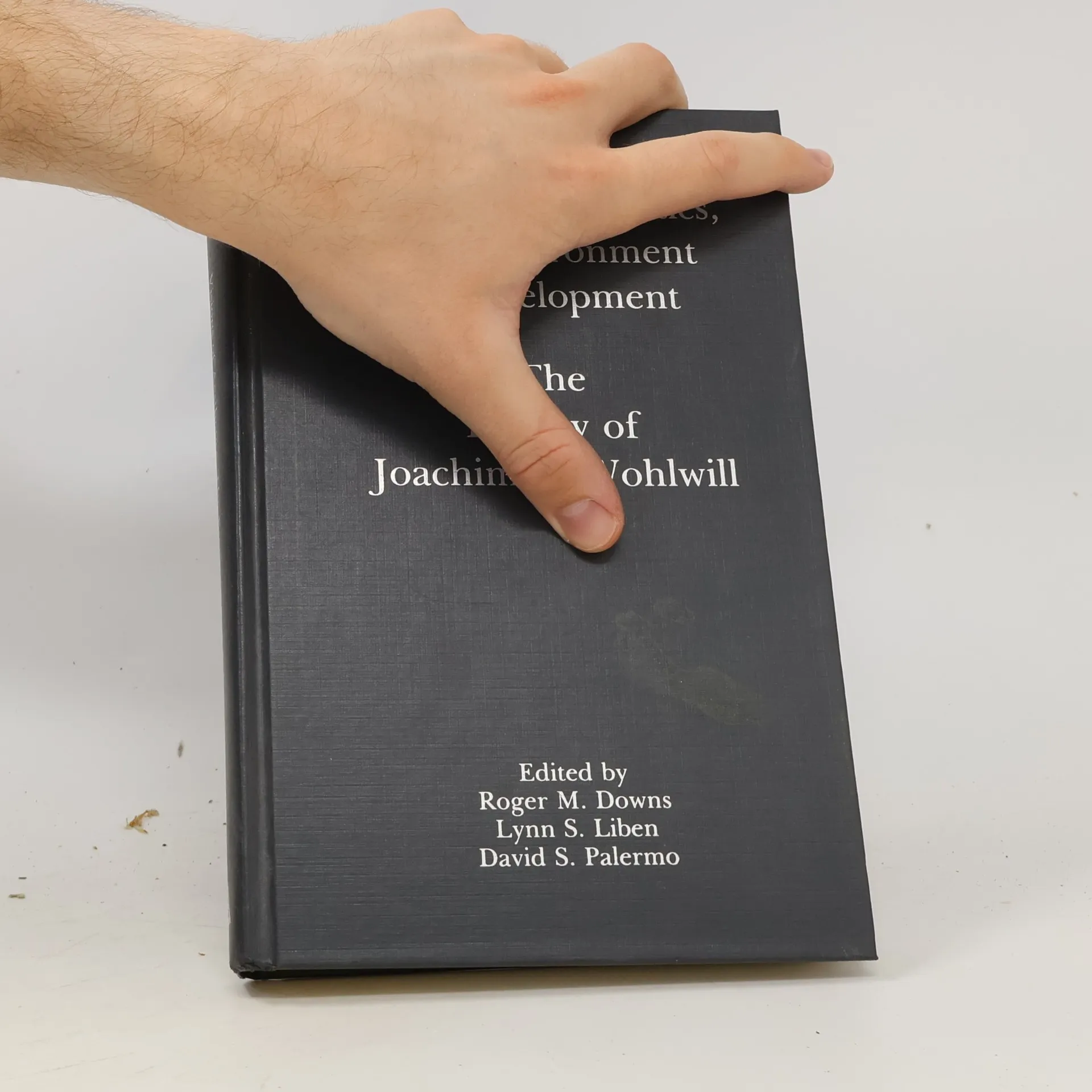
Visions of Aesthetics, the Environment & Development, Lynn S Liben. , David Stuart Palermo, Roger M. Downs, Joachim F. Wohlwill
- Langue

- Année de publication
- 1991
- product-detail.submit-box.info.binding
- (rigide),
- État du livre
- Abîmé
- Prix
- 3,34 €
Modes de paiement
Personne n'a encore évalué .
- Sous-titre
- The Legacy of Joachim F. Wohlwill
- Langue
- Anglais
- Éditeur
- Psychology Press
- Publié
- 1991
- Format
- rigide
- Pages
- 352
- ISBN10
- 0805810005
- ISBN13
- 9780805810004
- Séries
- Mots clés
- Nonfiction, Sciences sociales
- Description
- Derived from a conference honoring the legacy of Joachim Wohlwill, this volume is designed to reflect as many facets of the late scholar's wide-ranging work as possible. As its title indicates, the book identifies three broad areas in which Wohlwill made significant contributions: art and aesthetics, human-environment interaction, and concepts of development. In each of these areas Wohlwill made seminal contributions, helping to shape, maintain, and even change the direction of research and thought. Specific topics addressed here by his colleagues, students, and contemporaries include: the shape of development, the intermingling of perception and cognition, the balance between innate and acquired processes, the relation between environmental and ecological psychology, the development of the ability to use external representations of the physical environment, and the way world views underpin beliefs about the nature of development.