



En savoir plus sur le livre
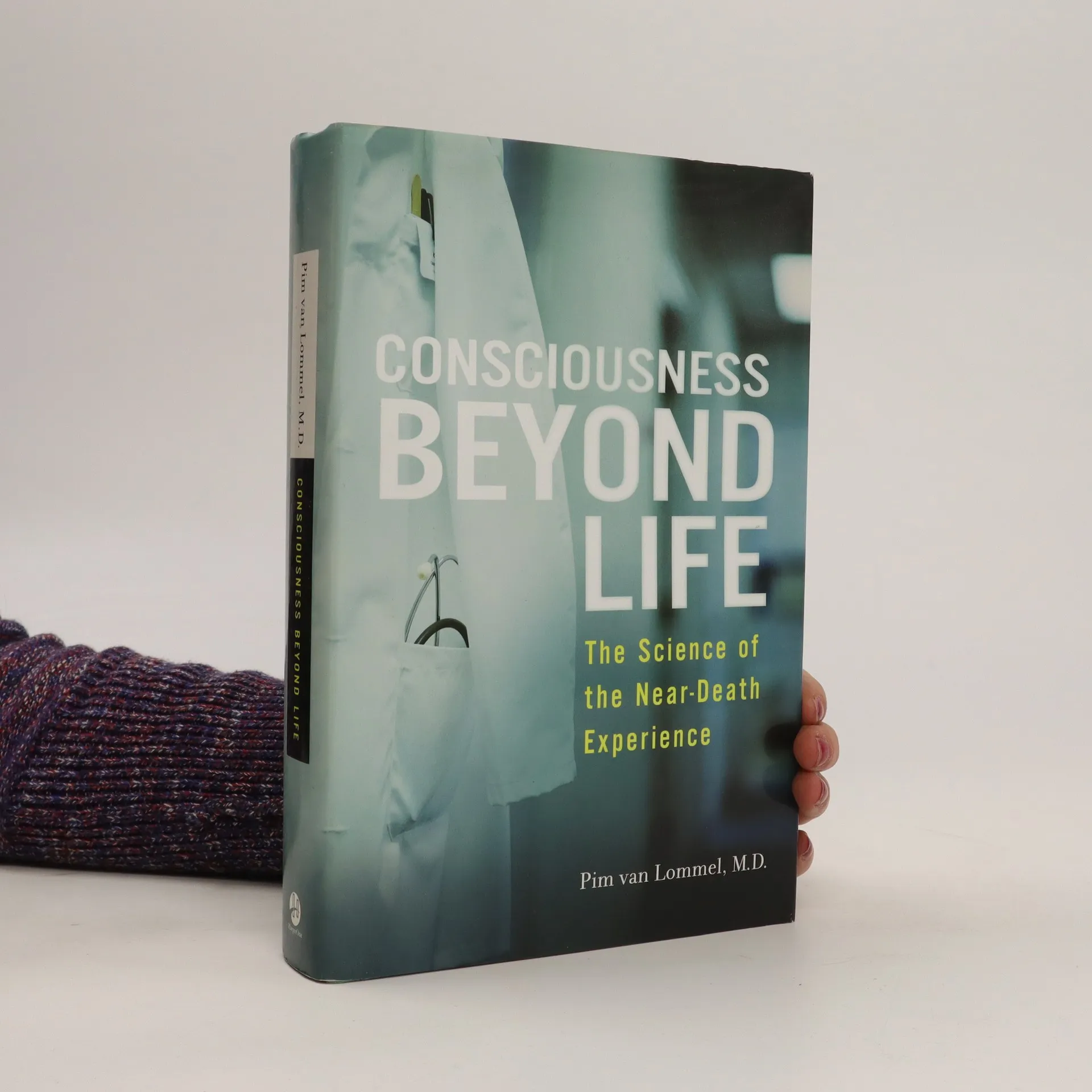
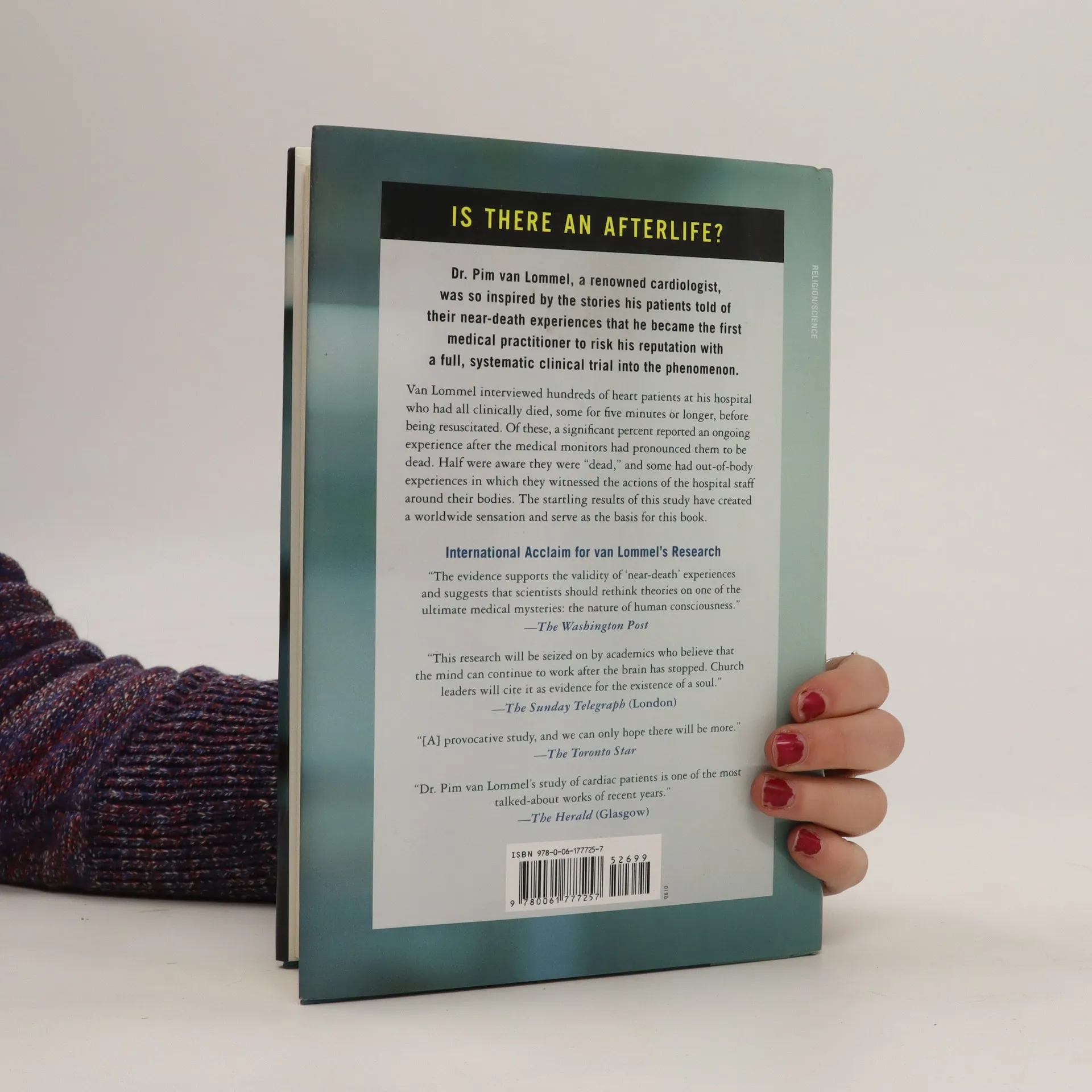
As a cardiologist, Pim van Lommel was intrigued by the numerous patients who reported near-death experiences following heart attacks. Struggling to reconcile these accounts with scientific rigor, he initiated a research study in a controlled hospital setting to explore this phenomenon. Over more than twenty years, van Lommel systematically examined near-death experiences among patients who survived cardiac arrest. In 2001, he published his groundbreaking study in The Lancet, marking the first scientifically rigorous exploration of this topic and sparking international interest. Now available in English, van Lommel presents his findings and theories in a book that has sold over 125,000 copies in Europe. He provides compelling evidence that near-death experiences are genuine phenomena, not mere products of imagination, psychosis, or oxygen deprivation. Additionally, he notes that such experiences often lead to lasting changes in patients' personalities. Van Lommel argues that prevailing views on the connection between the brain and consciousness are too limited for a full understanding of these experiences. He posits that consciousness can exist independently of brain function, suggesting a profound relationship between consciousness and the body that challenges conventional perspectives.




Achat du livre
Consciousness beyond life: the science of the near-death experience, Pim van Lommel
- Langue

- Année de publication
- 2010
- Reliure
- (rigide)
Modes de paiement
Il manque plus que ton avis ici.
- Langue
- Anglais
- Auteurs
- Pim van Lommel
- Éditeur
- Harper Collins
- Publié
- 2010
- Format
- rigide
- Pages
- 442
- ISBN10
- 0061777250
- ISBN13
- 9780061777257
- Séries
- Mots clés
- Nonfiction, Sciences sociales, Psychologie, Philosophie, Spiritualité et spiritualisme, Science, Phénomènes surnaturels, Mort
- Titre original
- Eindeloos bewustzijn
- Évaluation
- 4,1 sur 5
- Description
- As a cardiologist, Pim van Lommel was intrigued by the numerous patients who reported near-death experiences following heart attacks. Struggling to reconcile these accounts with scientific rigor, he initiated a research study in a controlled hospital setting to explore this phenomenon. Over more than twenty years, van Lommel systematically examined near-death experiences among patients who survived cardiac arrest. In 2001, he published his groundbreaking study in The Lancet, marking the first scientifically rigorous exploration of this topic and sparking international interest. Now available in English, van Lommel presents his findings and theories in a book that has sold over 125,000 copies in Europe. He provides compelling evidence that near-death experiences are genuine phenomena, not mere products of imagination, psychosis, or oxygen deprivation. Additionally, he notes that such experiences often lead to lasting changes in patients' personalities. Van Lommel argues that prevailing views on the connection between the brain and consciousness are too limited for a full understanding of these experiences. He posits that consciousness can exist independently of brain function, suggesting a profound relationship between consciousness and the body that challenges conventional perspectives.