


En savoir plus sur le livre
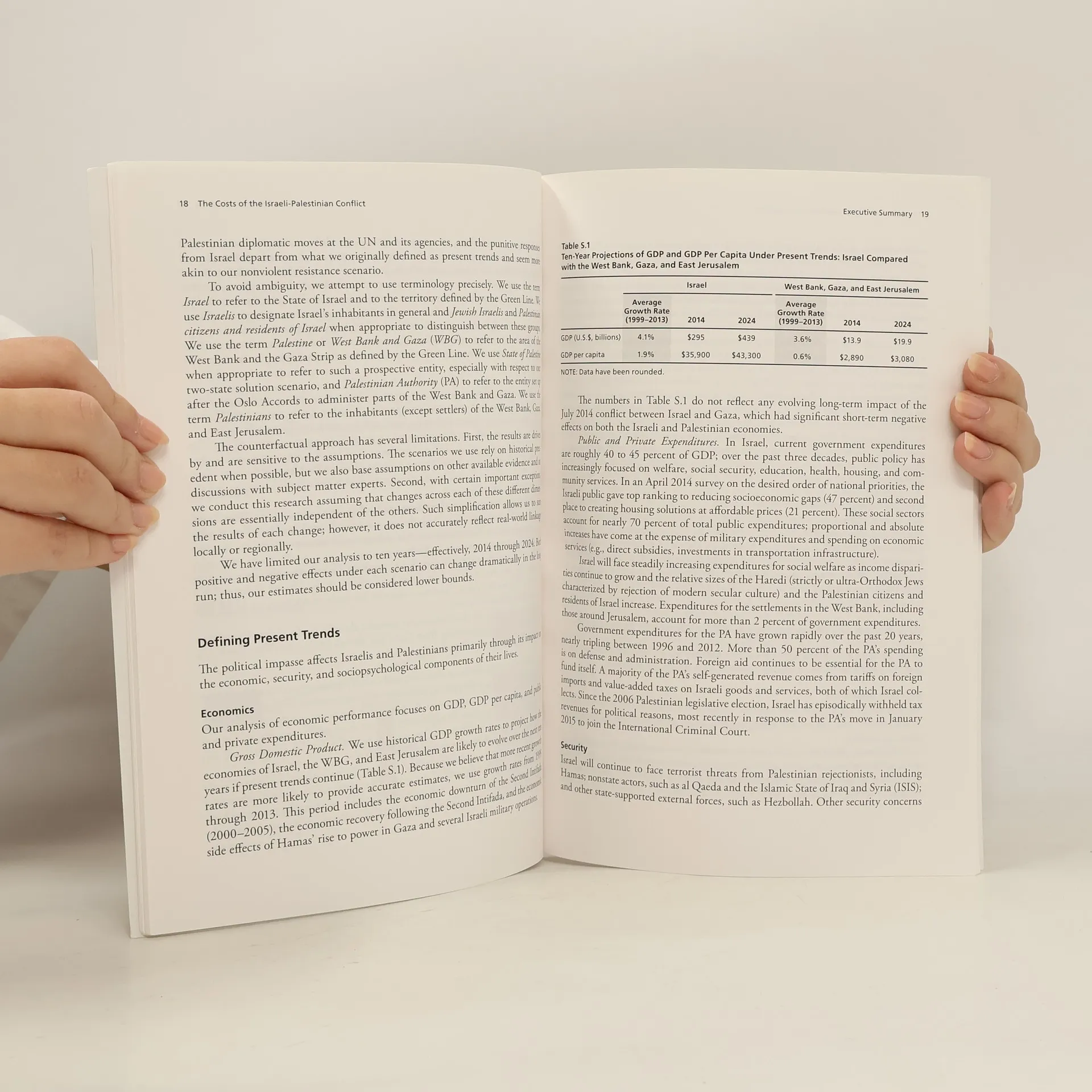
For much of the past century, the Israeli-Palestinian conflict has significantly shaped the Middle East, persisting despite substantial financial investments aimed at resolution. This summary presents findings from a RAND study estimating the net costs and benefits over the next decade of five potential trajectories: a two-state solution, coordinated unilateral withdrawal, uncoordinated unilateral withdrawal, nonviolent resistance, and violent uprising, compared to a continuing impasse. The analysis emphasizes economic costs, including security expenses, while also briefly addressing intangible costs and the international community's financial burden. The study aims to provide reliable information to facilitate policy discussions. Key findings indicate that a two-state solution yields the best economic outcomes, with Israelis gaining $123 billion and Palestinians $50 billion over ten years. However, the Palestinians would experience a 36% increase in per capita income, compared to 5% for Israelis. A return to violence would severely impact both economies, with GDP dropping significantly. Economic opportunities in most scenarios outweigh direct costs, and unilateral withdrawal would impose heavy costs on Israelis unless supported by international funding for relocating settlers. Additionally, security and sovereignty aspirations are crucial in resolving the conflict, necessitating significant investments from both parties and t
Achat du livre
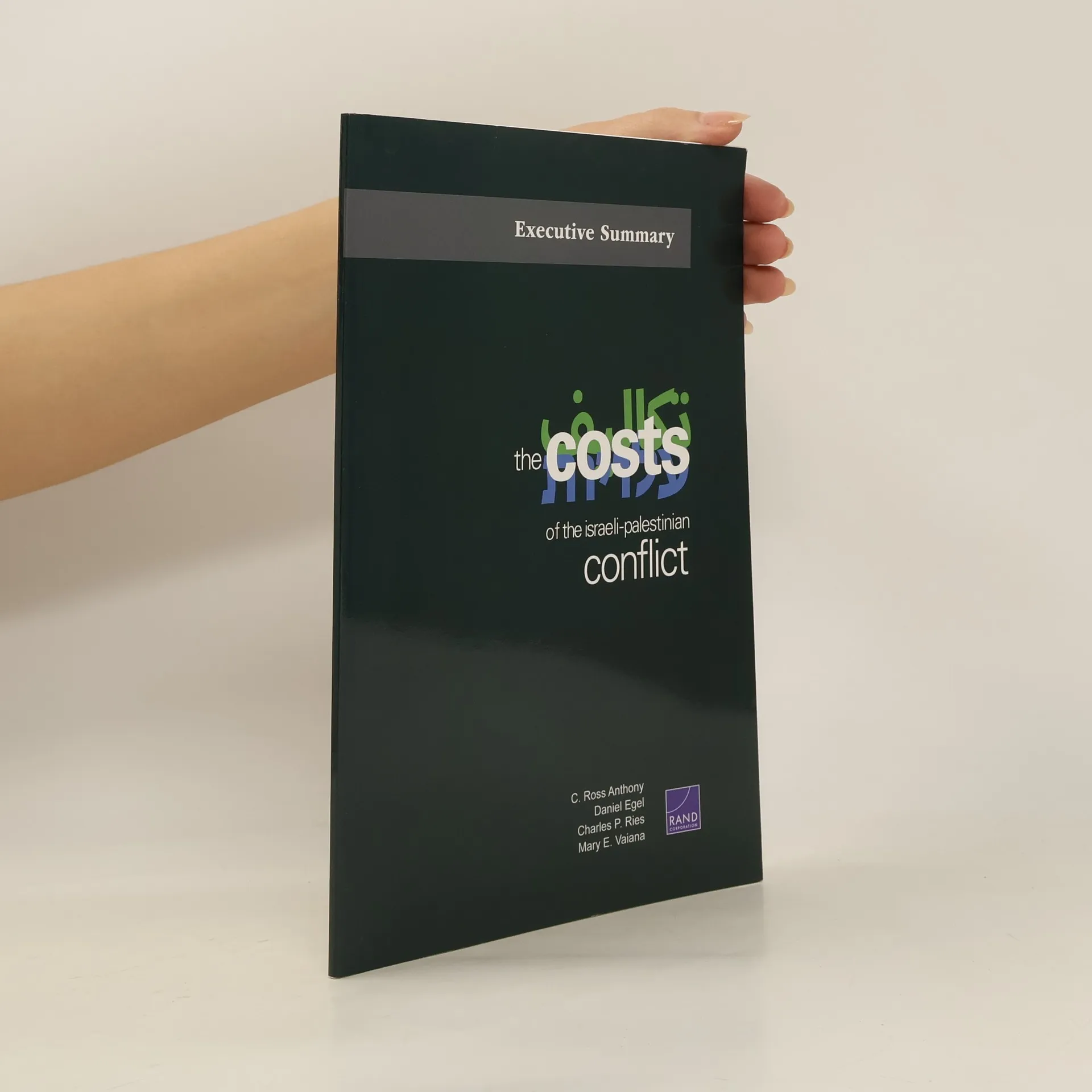
The Costs of the Israeli-Palestinian Conflict, Mary E. Vaiana, C. Ross Anthony
- Langue

- Année de publication
- 2015
- Reliure
- (souple)
Modes de paiement
Personne n'a encore évalué .
- Titre
- The Costs of the Israeli-Palestinian Conflict
- Langue
- Anglais
- Auteurs
- Mary E. Vaiana, C. Ross Anthony
- Éditeur
- RAND
- Publié
- 2015
- Format
- souple
- Pages
- 50
- ISBN10
- 0833090348
- ISBN13
- 9780833090348
- Séries
- Mots clés
- Thème historique
- Description
- For much of the past century, the Israeli-Palestinian conflict has significantly shaped the Middle East, persisting despite substantial financial investments aimed at resolution. This summary presents findings from a RAND study estimating the net costs and benefits over the next decade of five potential trajectories: a two-state solution, coordinated unilateral withdrawal, uncoordinated unilateral withdrawal, nonviolent resistance, and violent uprising, compared to a continuing impasse. The analysis emphasizes economic costs, including security expenses, while also briefly addressing intangible costs and the international community's financial burden. The study aims to provide reliable information to facilitate policy discussions. Key findings indicate that a two-state solution yields the best economic outcomes, with Israelis gaining $123 billion and Palestinians $50 billion over ten years. However, the Palestinians would experience a 36% increase in per capita income, compared to 5% for Israelis. A return to violence would severely impact both economies, with GDP dropping significantly. Economic opportunities in most scenarios outweigh direct costs, and unilateral withdrawal would impose heavy costs on Israelis unless supported by international funding for relocating settlers. Additionally, security and sovereignty aspirations are crucial in resolving the conflict, necessitating significant investments from both parties and t