

Évaluation du livre
Paramètres
- 288pages
- 11 heures de lecture
En savoir plus sur le livre
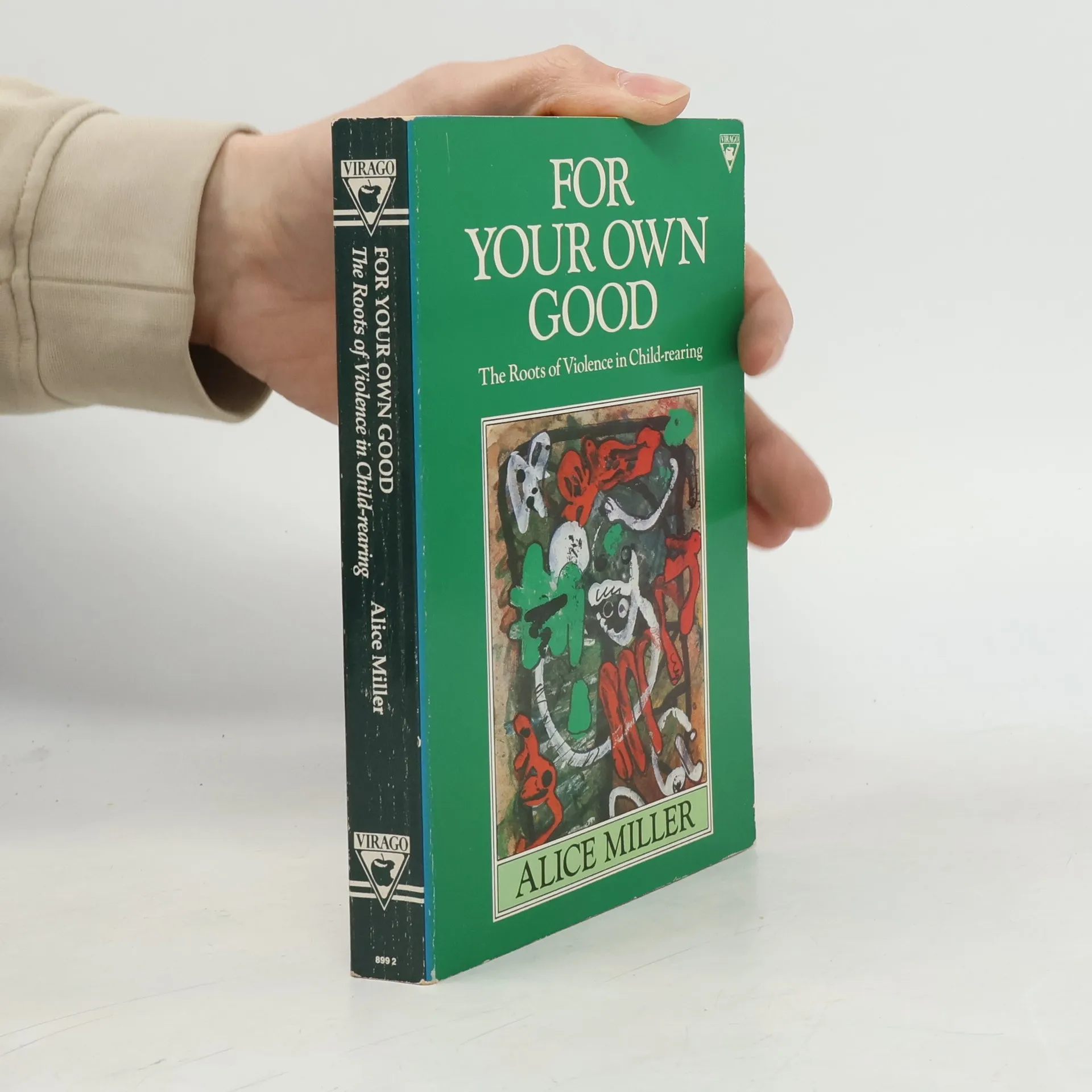
For Your Own Good , the contemporary classic exploring the serious if not gravely dangerous consequences parental cruelty can bring to bear on children everywhere, is one of the central works by Alice Miller, the celebrated Swiss psychoanalyst. With her typically lucid, strong, and poetic language, Miller investigates the personal stories and case histories of various self-destructive and/or violent individuals to expand on her theories about the long-term affects of abusive child-rearing. Her conclusionson what sort of parenting can create a drug addict, or a murderer, or a Hitleroffer much insight, and make a good deal of sense, while also straying far from psychoanalytic dogma about human nature, which Miller vehemently rejects. This important study paints a shocking picture of the violent worldindeed, of the ever-more-violent worldthat each generation helps to create when traditional upbringing, with its hidden cruelty, is perpetuated. The book also presents readers with useful solutions in this regardnamely, to resensitize the victimized child who has been trapped within the adult, and to unlock the emotional life that has been frozen in repression.




Achat du livre
For Your Own Good, Alice Miller
- Langue

- Année de publication
- 1987
Modes de paiement
Il manque plus que ton avis ici.
- Titre
- For Your Own Good
- Sous-titre
- Hidden Cruelty in Child-Rearing and the Roots of Violence
- Langue
- Anglais
- Auteurs
- Alice Miller
- Éditeur
- Random House, Inc.
- Publié
- 1987
- Pages
- 288
- ISBN10
- 0860688992
- ISBN13
- 9780860688990
- Séries
- Mots clés
- Nonfiction, Motivation & Bien-être, Thèmes psychologiques, Maternité et parentalité, Éducation, système scolaire, Parentalité, Santé mentale, Maltraitance et abus
- Titre original
- Am Anfang war Erziehung
- Évaluation
- 4,4 sur 5
- Description
- For Your Own Good , the contemporary classic exploring the serious if not gravely dangerous consequences parental cruelty can bring to bear on children everywhere, is one of the central works by Alice Miller, the celebrated Swiss psychoanalyst. With her typically lucid, strong, and poetic language, Miller investigates the personal stories and case histories of various self-destructive and/or violent individuals to expand on her theories about the long-term affects of abusive child-rearing. Her conclusionson what sort of parenting can create a drug addict, or a murderer, or a Hitleroffer much insight, and make a good deal of sense, while also straying far from psychoanalytic dogma about human nature, which Miller vehemently rejects. This important study paints a shocking picture of the violent worldindeed, of the ever-more-violent worldthat each generation helps to create when traditional upbringing, with its hidden cruelty, is perpetuated. The book also presents readers with useful solutions in this regardnamely, to resensitize the victimized child who has been trapped within the adult, and to unlock the emotional life that has been frozen in repression.