

En savoir plus sur le livre
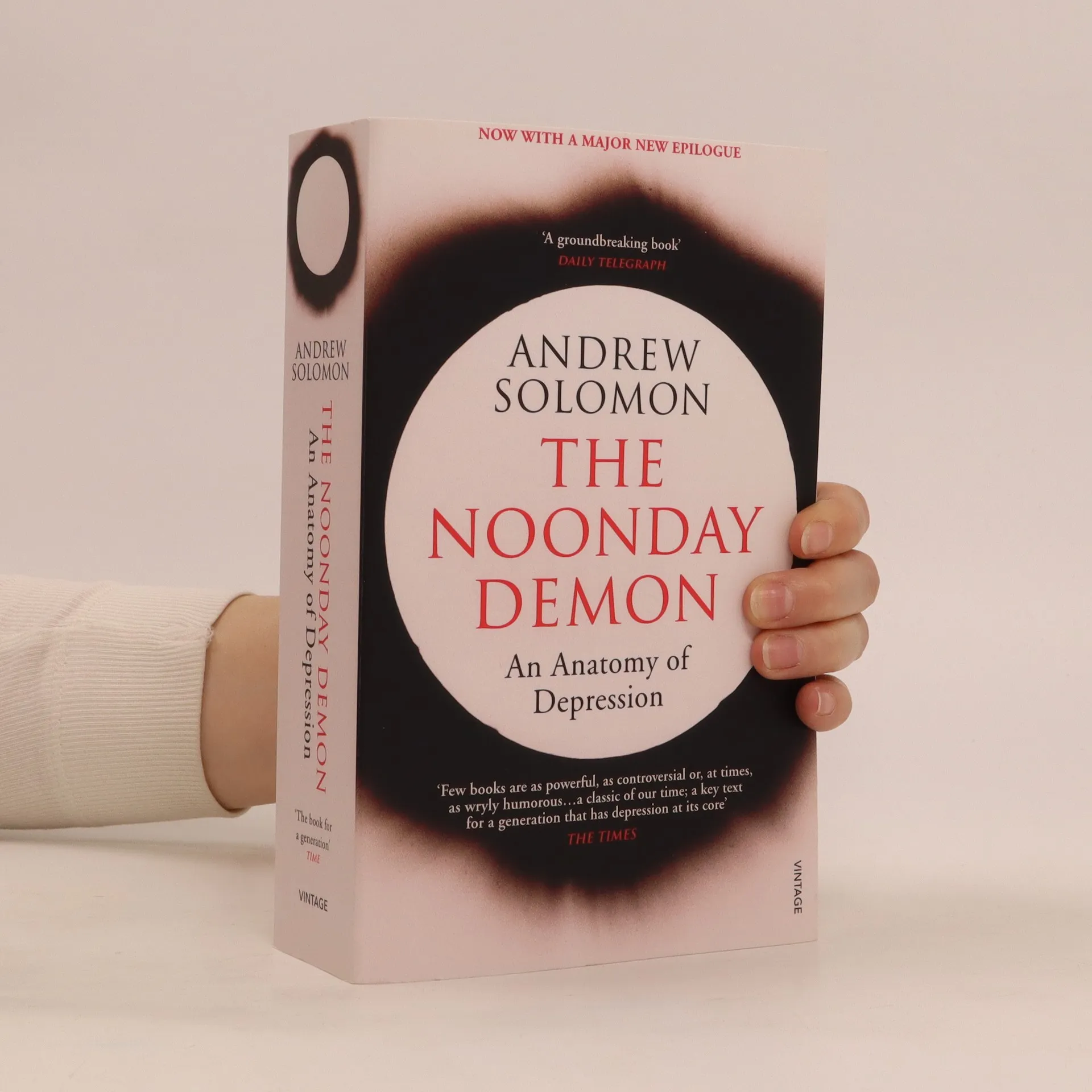
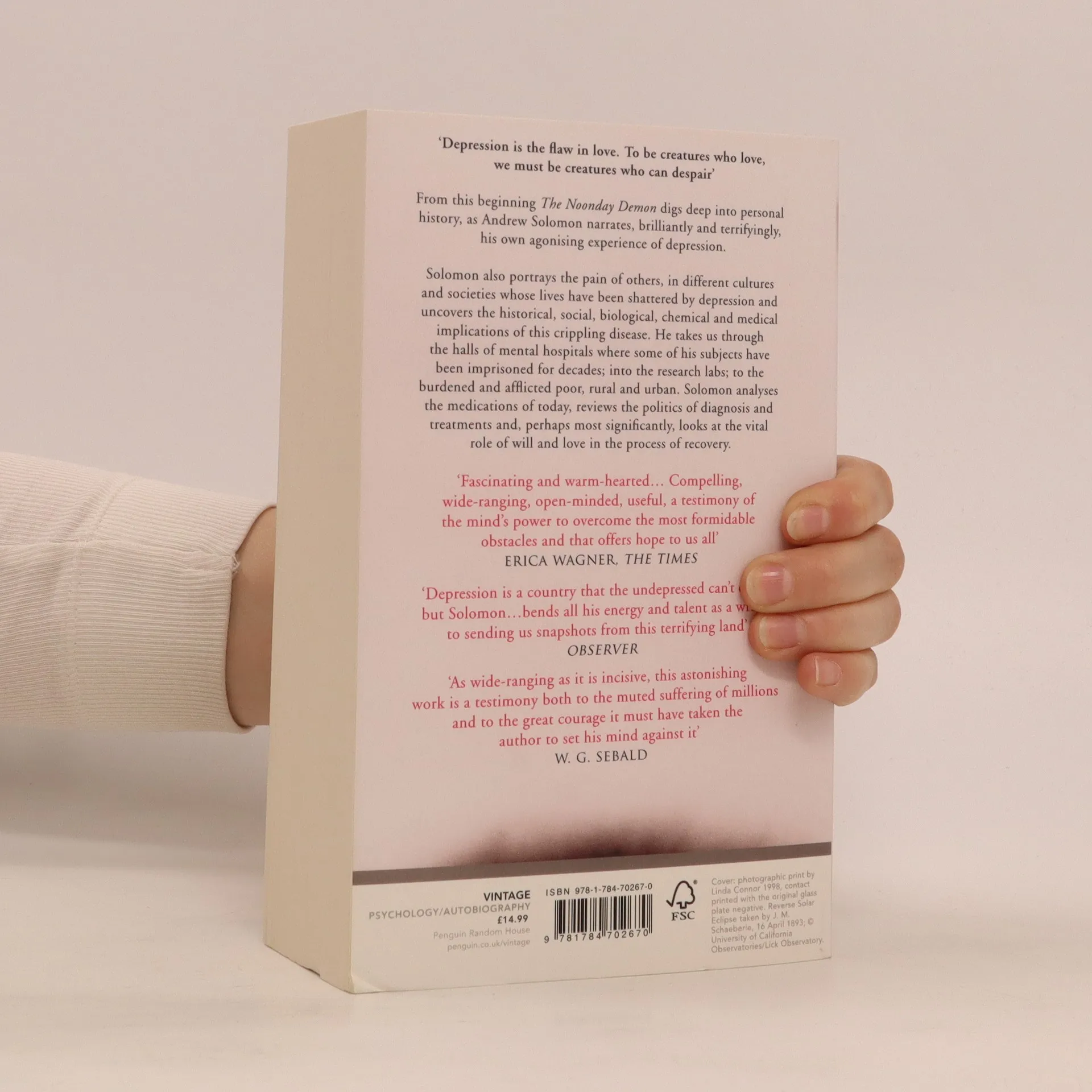
WITH A NEW EPILOGUE BY THE AUTHOR Like Primo Levi's The Periodic Table, The Noonday Demon digs deep into personal history, as Andrew Solomon narrates, brilliantly and terrifyingly, his own agonising experience of depression. Solomon also portrays the pain of others, in different cultures and societies whose lives have been shattered by depression and uncovers the historical, social, biological, chemical and medical implications of this crippling disease. He takes us through the halls of mental hospitals where some of his subjects have been imprisoned for decades; into the research labs; to the burdened and afflicted poor, rural and urban. He talks to faith healers and voyages around the world in a quest for folk wisdom. He analyses the medications of today as well as reviewing the politics of diagnosis and treatment and, perhaps most significantly, he looks at the vital role of will and love in the process of recovery.







Achat du livre
The Noonday Demon, Andrew Solomon
- Langue

- Année de publication
- 2016
- Reliure
- (souple)
Modes de paiement
Il manque plus que ton avis ici.
- Titre
- The Noonday Demon
- Langue
- Anglais
- Auteurs
- Andrew Solomon
- Éditeur
- Random House
- Publié
- 2016
- Format
- souple
- Pages
- 688
- ISBN10
- 1784702676
- ISBN13
- 9781784702670
- Séries
- Mots clés
- Nonfiction, Histoires vraies, Biographies, Santé & Médecine, Motivation & Bien-être, Thèmes psychologiques, Développement personnel, Science, Autobiographies et mémoires, États-Unis, Santé, Médecine, Cadeaux pour les dames, Santé mentale, Recherche, Combat, Psychiatrie, Dépression, Expériences, vécus
- Première publication
- 2002
- Titre original
- The Noonday Demon: An Atlas of Depression
- Évaluation
- 4,35 sur 5
- Description
- WITH A NEW EPILOGUE BY THE AUTHOR Like Primo Levi's The Periodic Table, The Noonday Demon digs deep into personal history, as Andrew Solomon narrates, brilliantly and terrifyingly, his own agonising experience of depression. Solomon also portrays the pain of others, in different cultures and societies whose lives have been shattered by depression and uncovers the historical, social, biological, chemical and medical implications of this crippling disease. He takes us through the halls of mental hospitals where some of his subjects have been imprisoned for decades; into the research labs; to the burdened and afflicted poor, rural and urban. He talks to faith healers and voyages around the world in a quest for folk wisdom. He analyses the medications of today as well as reviewing the politics of diagnosis and treatment and, perhaps most significantly, he looks at the vital role of will and love in the process of recovery.