

En savoir plus sur le livre
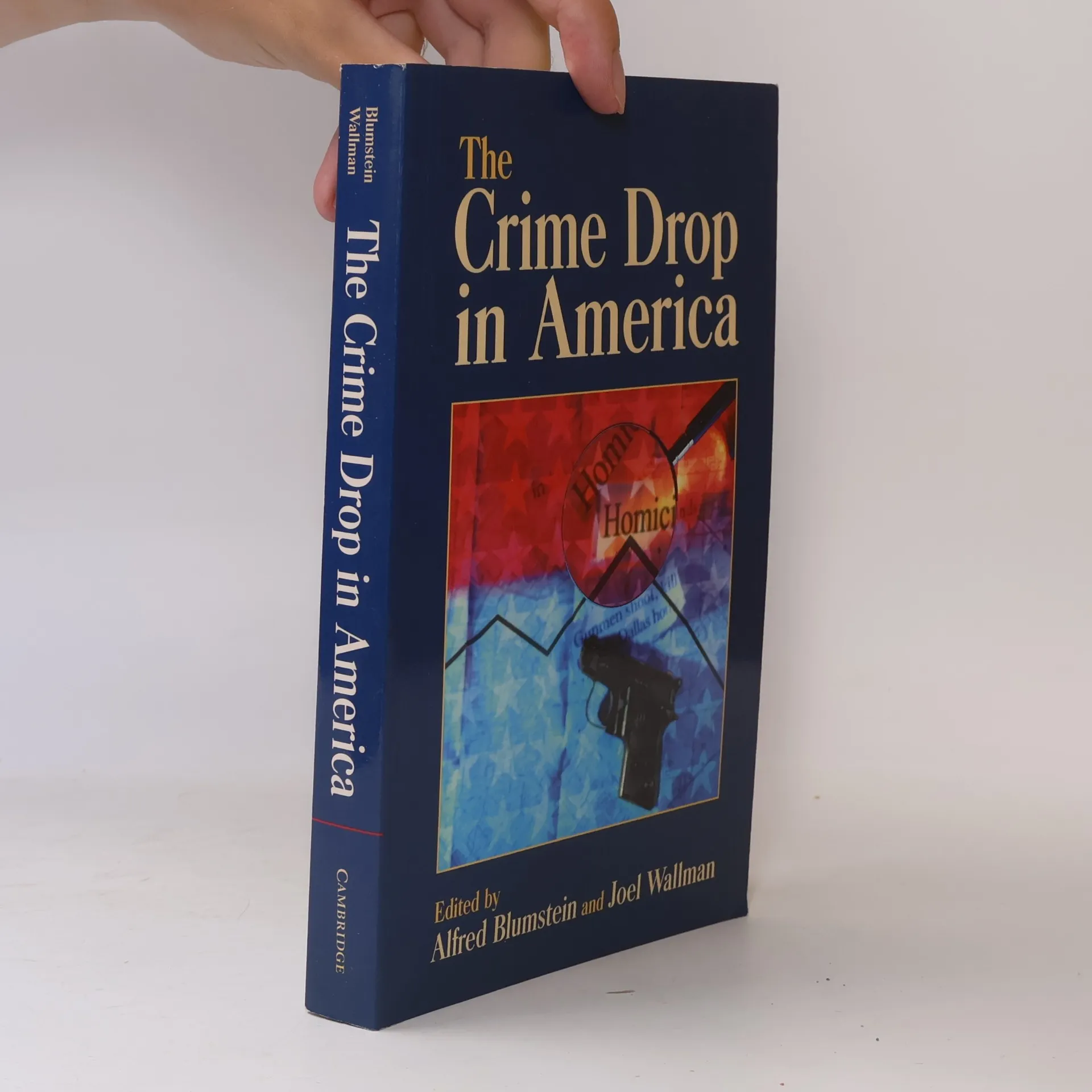
Violent crime in America surged in the mid-1980s, peaking in 1991, followed by an unprecedented decline over the next seven years, reaching levels not seen since the 1960s. This phenomenon has puzzled criminologists, politicians, and citizens alike, leading to various explanations, from improved policing to reduced crack cocaine use. This critical book delves into the plausible causes and competing claims regarding the crime drop, featuring insights from leading criminologists. Key topics explored include the impact of gun violence, the rising prison population, homicide trends, drug markets, economic opportunities, policing changes, and demographic shifts. The authors highlight that the factors contributing to the decline—such as gun control efforts, changes in drug markets, and economic growth during the late 1990s—are not sustainable indefinitely. The ongoing challenge of crime control and prevention remains a pressing issue for scholars and policymakers. This book offers an authoritative discussion on the dynamics of American violence, shaping public discourse and guiding future crime response strategies.


Achat du livre
Cambridge Studies in Criminology: The Crime Drop in America, Alfred Blumstein, Joel Wallman
- Langue

- Année de publication
- 2000
- Reliure
- (souple)
Modes de paiement
Il manque plus que ton avis ici.
- Langue
- Anglais
- Auteurs
- Alfred Blumstein, Joel Wallman
- Éditeur
- Cambridge University Press
- Publié
- 2000
- Format
- souple
- Pages
- 300
- ISBN10
- 0521797128
- ISBN13
- 9780521797122
- Mots clés
- Criminalistique
- Évaluation
- 3,25 sur 5
- Description
- Violent crime in America surged in the mid-1980s, peaking in 1991, followed by an unprecedented decline over the next seven years, reaching levels not seen since the 1960s. This phenomenon has puzzled criminologists, politicians, and citizens alike, leading to various explanations, from improved policing to reduced crack cocaine use. This critical book delves into the plausible causes and competing claims regarding the crime drop, featuring insights from leading criminologists. Key topics explored include the impact of gun violence, the rising prison population, homicide trends, drug markets, economic opportunities, policing changes, and demographic shifts. The authors highlight that the factors contributing to the decline—such as gun control efforts, changes in drug markets, and economic growth during the late 1990s—are not sustainable indefinitely. The ongoing challenge of crime control and prevention remains a pressing issue for scholars and policymakers. This book offers an authoritative discussion on the dynamics of American violence, shaping public discourse and guiding future crime response strategies.