


Évaluation du livre
Paramètres
- 380pages
- 14 heures de lecture
En savoir plus sur le livre
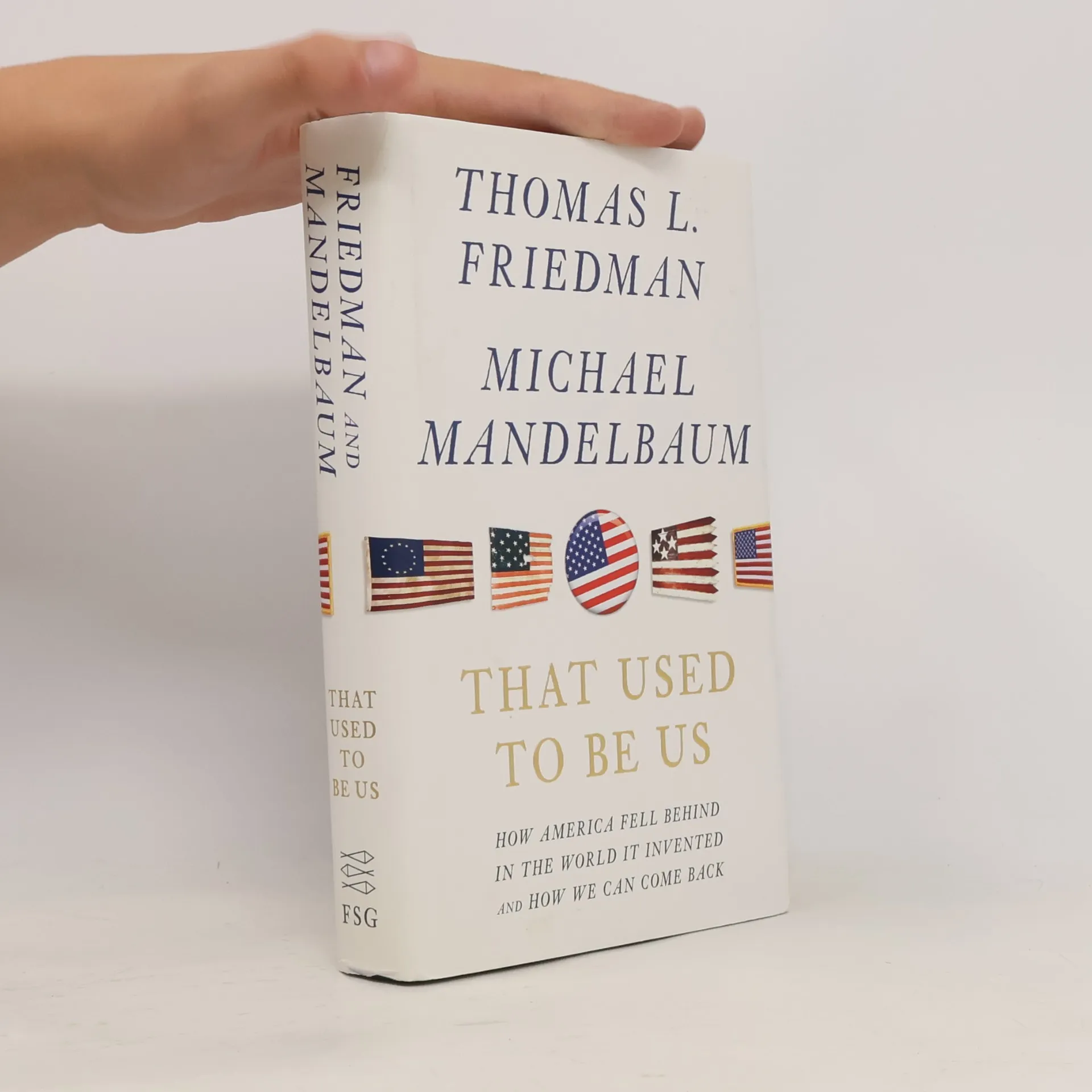
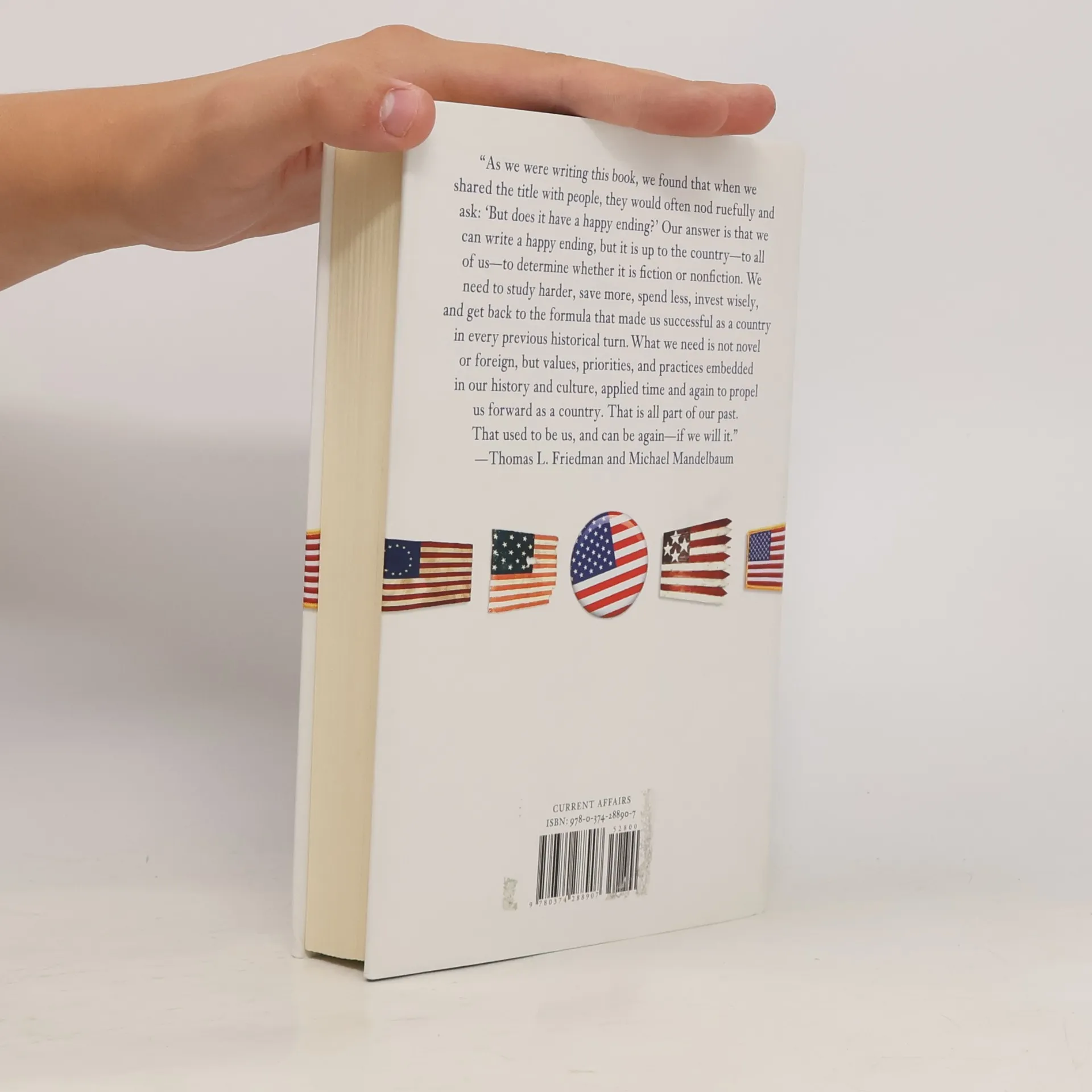
America faces four critical challenges that threaten our future and the American dream for generations to come. In their compelling analysis, Thomas L. Friedman and Michael Mandelbaum highlight the urgent need for collective action to address globalization, the revolution in information technology, chronic deficits, and excessive energy consumption. They argue that the end of the Cold War led to complacency regarding these issues, while China's advancements serve as a stark reminder of what America once represented. The authors discuss how political paralysis and a decline in key American values hinder necessary policy implementation. Despite these obstacles, they assert that a recovery of American greatness is achievable. By understanding our history, they present a five-part formula for prosperity to tackle current challenges. Through vivid profiles of individuals who embody bold thinking and decisive action, they outline a path forward that includes rediscovering vital traditions and fostering a new third-party movement to energize the nation. This work serves as both a profound examination of the current American condition and a passionate call for renewal.


Achat du livre
That Used to Be Us, Thomas Friedman, Michael Mandelbaum
- Langue

- Année de publication
- 2011
- product-detail.submit-box.info.binding
- (rigide),
- État du livre
- Très bon
- Prix
- 3,19 €
Modes de paiement
Il manque plus que ton avis ici.
- Titre
- That Used to Be Us
- Sous-titre
- How America Fell Behind in the World It Invented and How We Can Come Back
- Langue
- Anglais
- Auteurs
- Thomas Friedman, Michael Mandelbaum
- Éditeur
- Farrar, Straus and Giroux
- Publié
- 2011
- Format
- rigide
- Pages
- 380
- ISBN10
- 0374288909
- ISBN13
- 9780374288907
- Séries
- Mots clés
- Nonfiction, Sciences sociales, Thème historique, Histoire, Commerce, Affaires & Gestion, Sciences politiques & Politique, Politique, Économie, Éducation, système scolaire
- Évaluation
- 3,75 sur 5
- Description
- America faces four critical challenges that threaten our future and the American dream for generations to come. In their compelling analysis, Thomas L. Friedman and Michael Mandelbaum highlight the urgent need for collective action to address globalization, the revolution in information technology, chronic deficits, and excessive energy consumption. They argue that the end of the Cold War led to complacency regarding these issues, while China's advancements serve as a stark reminder of what America once represented. The authors discuss how political paralysis and a decline in key American values hinder necessary policy implementation. Despite these obstacles, they assert that a recovery of American greatness is achievable. By understanding our history, they present a five-part formula for prosperity to tackle current challenges. Through vivid profiles of individuals who embody bold thinking and decisive action, they outline a path forward that includes rediscovering vital traditions and fostering a new third-party movement to energize the nation. This work serves as both a profound examination of the current American condition and a passionate call for renewal.