

En savoir plus sur le livre
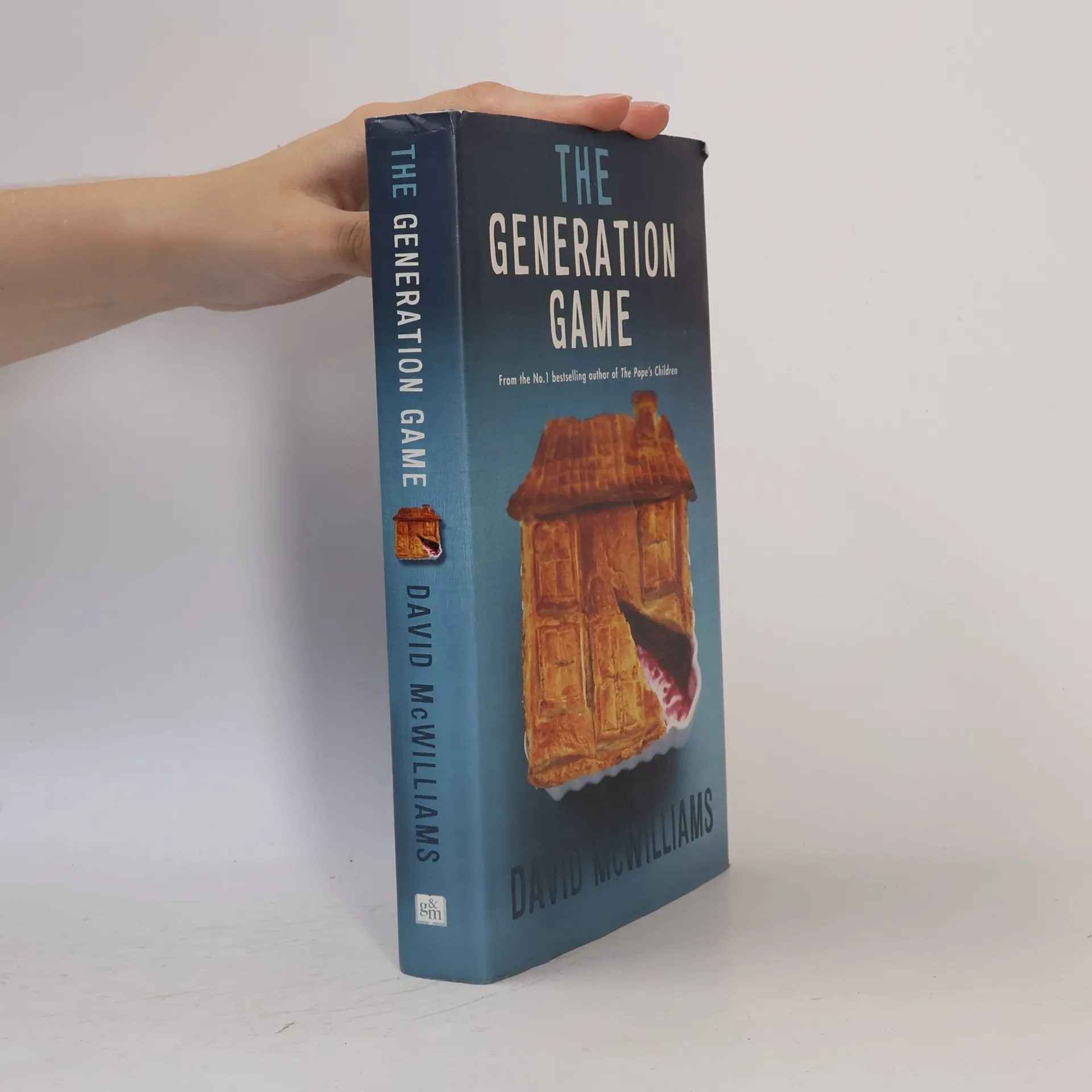
After a decade of economic boom, Irish society faces a dramatic shift characterized by a Generation War. The middle-aged Jagger Generation emerges as the clear winners, having benefited immensely from the property boom and creating a new class of Accidental Millionaires. In contrast, the younger Jugglers are left vulnerable as the credit wave recedes, grappling with financial instability. Meanwhile, the Bono Boomers, caught between these two groups, refuse to mature with the economic downturn, prioritizing social events like ‘designer camping’ at the Electric Picnic. They represent Ireland’s first ‘permalescents’—too young to be old and too old to be trendy. As the realities of the Botox Economy come to light, the Jaggers, Jugglers, and Bono Boomers will face challenges in maintaining their share of a shrinking economic pie. However, this slowdown presents an opportunity for reflection and optimism. By exploring global perspectives from cities like Shanghai to New York and learning from history, Ireland can harness the potential of its Diaspora. The twenty-first century offers a chance to view Ireland as a cradle of a global nation, united by shared experiences. The prosperity of future generations hinges on leveraging the collective strength of those who came before, shaping a global Generation Game.


Achat du livre
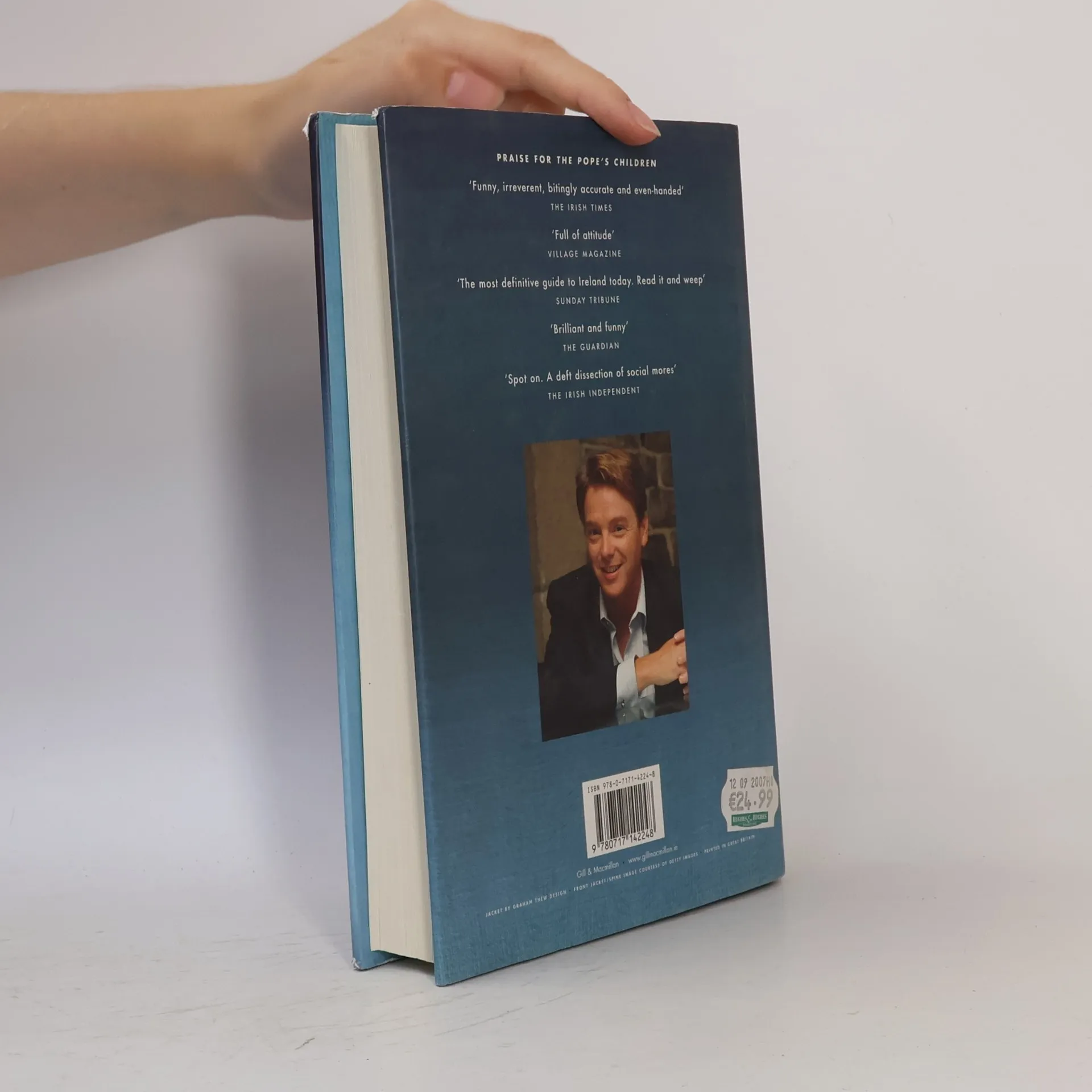
The Generation Game, David McWilliams
- Langue

- Année de publication
- 2007
- Reliure
- (rigide),
- État du livre
- Bon
- Prix
- 5,69 €
Modes de paiement
Il manque plus que ton avis ici.
- Titre
- The Generation Game
- Langue
- Anglais
- Auteurs
- David McWilliams
- Éditeur
- Macmillan
- Publié
- 2007
- Format
- rigide
- Pages
- 296
- ISBN10
- 0717142248
- ISBN13
- 9780717142248
- Séries
- Catégories
- Mots clés
- Irlande
- Évaluation
- 3 sur 5
- Description
- After a decade of economic boom, Irish society faces a dramatic shift characterized by a Generation War. The middle-aged Jagger Generation emerges as the clear winners, having benefited immensely from the property boom and creating a new class of Accidental Millionaires. In contrast, the younger Jugglers are left vulnerable as the credit wave recedes, grappling with financial instability. Meanwhile, the Bono Boomers, caught between these two groups, refuse to mature with the economic downturn, prioritizing social events like ‘designer camping’ at the Electric Picnic. They represent Ireland’s first ‘permalescents’—too young to be old and too old to be trendy. As the realities of the Botox Economy come to light, the Jaggers, Jugglers, and Bono Boomers will face challenges in maintaining their share of a shrinking economic pie. However, this slowdown presents an opportunity for reflection and optimism. By exploring global perspectives from cities like Shanghai to New York and learning from history, Ireland can harness the potential of its Diaspora. The twenty-first century offers a chance to view Ireland as a cradle of a global nation, united by shared experiences. The prosperity of future generations hinges on leveraging the collective strength of those who came before, shaping a global Generation Game.