

En savoir plus sur le livre
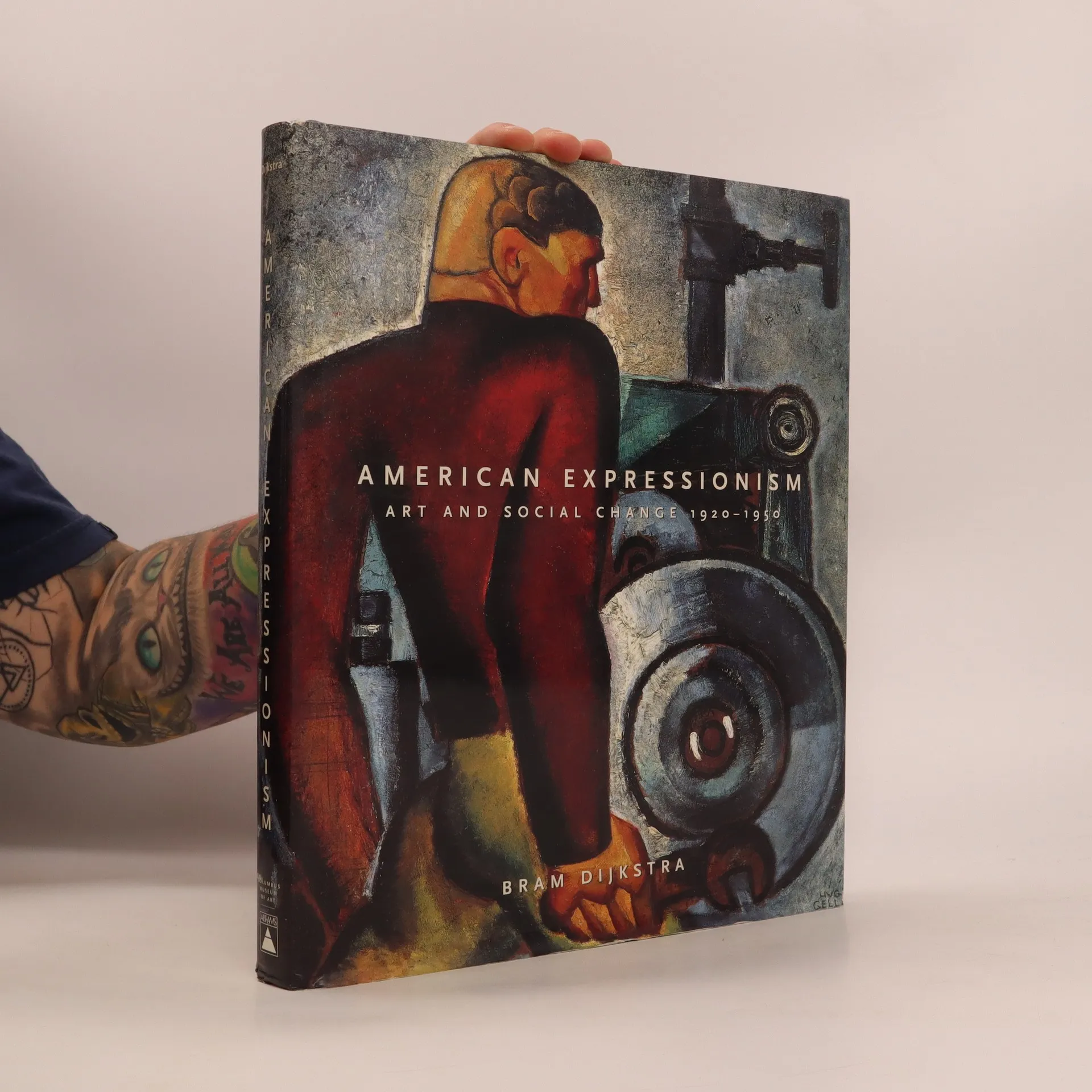
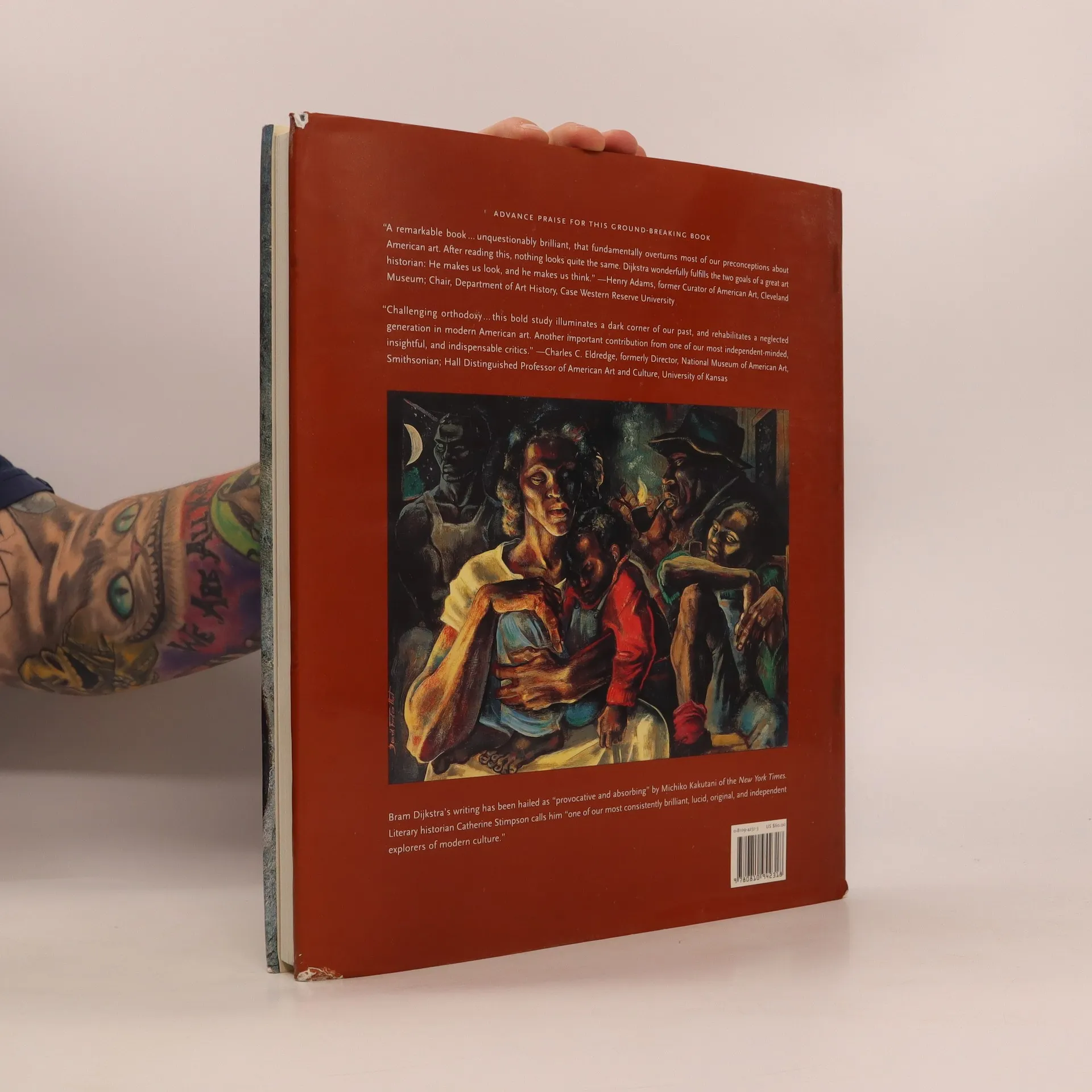
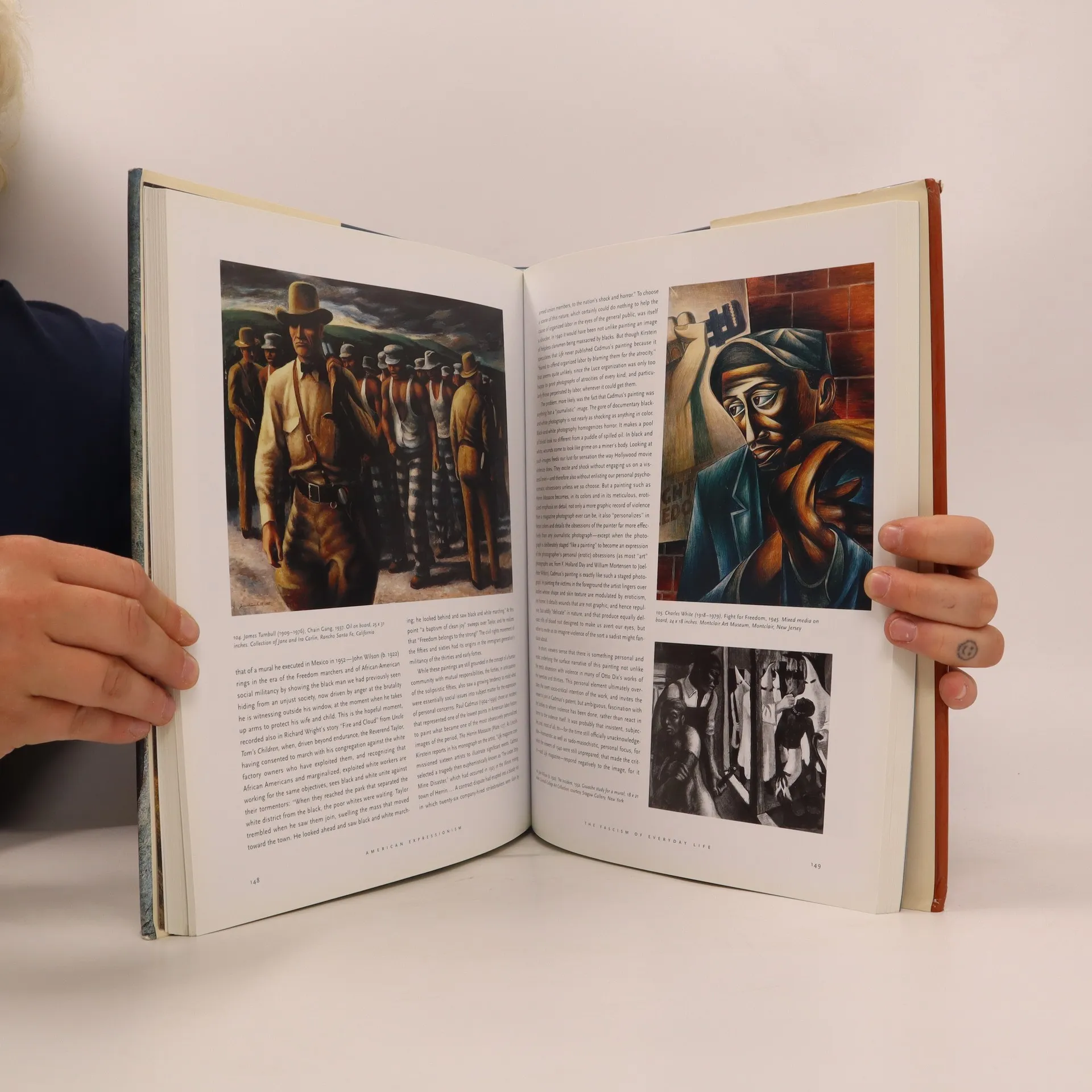
During the 1920s and '30s and until the end of World War II, a distinctly American form of Expressionism evolved. Most of the artists in this movement, children of immigrants from eastern and southern Europe, African-Americans and other outsiders to American mainstream culture, grew up in the urban ghettoes of the East Coast or Chicago. Their art was sympathetic to the disposessed and reflected a deep concern with the lives of working people. Providing a look at this art - and the beginnings of a new movement, Abstract Expressionism, which followed it - cultural historian Bram Dijkstra offers insights into the roots of painting in modern America.
Achat du livre
American Expressionism: Art and Social Change, 1920-1950, Bram Dijkstra
- Langue

- Année de publication
- 2003
- Reliure
- (rigide)
Modes de paiement
Il manque plus que ton avis ici.
- Titre
- American Expressionism: Art and Social Change, 1920-1950
- Langue
- Anglais
- Auteurs
- Bram Dijkstra
- Éditeur
- H.N. Abrams
- Publié
- 2003
- Format
- rigide
- Pages
- 288
- ISBN10
- 0810942313
- ISBN13
- 9780810942318
- Séries
- Catégories
- Mots clés
- Art
- Évaluation
- 4,2 sur 5
- Description
- During the 1920s and '30s and until the end of World War II, a distinctly American form of Expressionism evolved. Most of the artists in this movement, children of immigrants from eastern and southern Europe, African-Americans and other outsiders to American mainstream culture, grew up in the urban ghettoes of the East Coast or Chicago. Their art was sympathetic to the disposessed and reflected a deep concern with the lives of working people. Providing a look at this art - and the beginnings of a new movement, Abstract Expressionism, which followed it - cultural historian Bram Dijkstra offers insights into the roots of painting in modern America.