

En savoir plus sur le livre
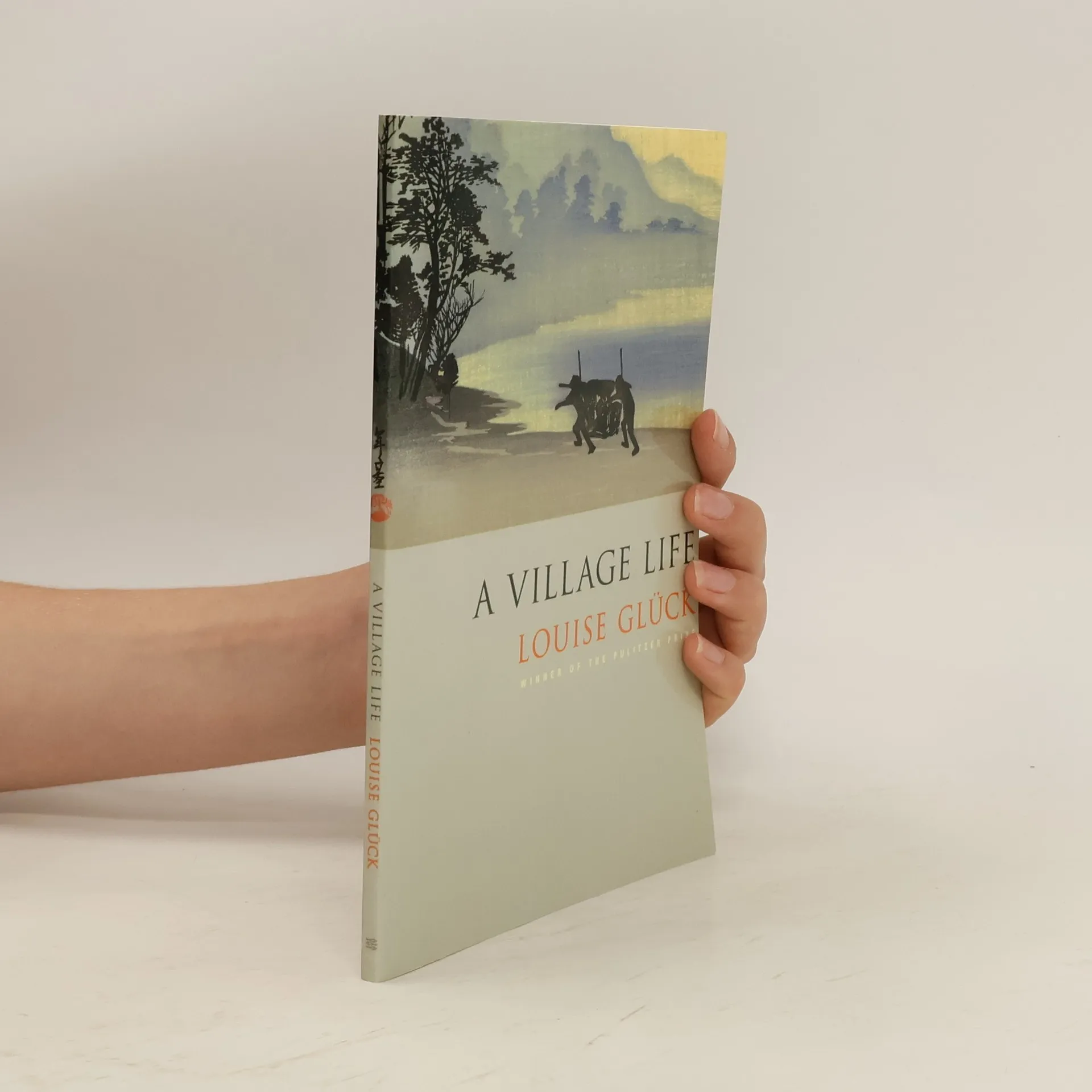
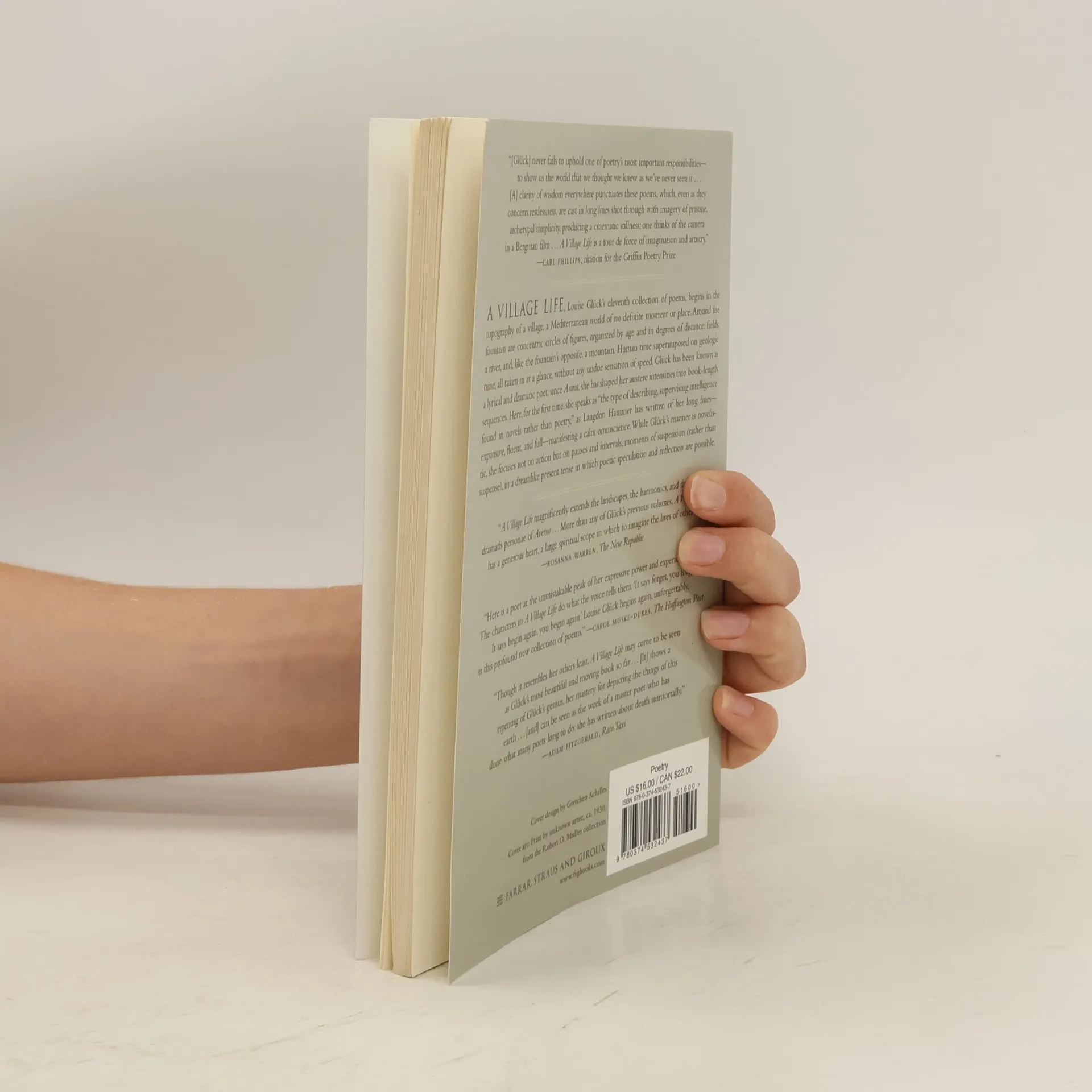
WINNER OF THE NOBEL PRIZE IN LITERATURE A Village Life, Louise Glück's eleventh collection of poems, begins in the topography of a village, a Mediterranean world of no definite moment or place: All the roads in the village unite at the fountain. Avenue of Liberty, Avenue of the Acacia Trees— The fountain rises at the center of the plaza; on sunny days, rainbows in the piss of the cherub. —from "tributaries" Around the fountain are concentric circles of figures, organized by age and in degrees of distance: fields, a river, and, like the fountain's opposite, a mountain. Human time superimposed on geologic time, all taken in at a glance, without any undue sensation of speed. Glück has been known as a lyrical and dramatic poet; since Ararat, she has shaped her austere intensities into book-length sequences. Here, for the first time, she speaks as "the type of describing, supervising intelligence found in novels rather than poetry," as Langdon Hammer has written of her long lines—expansive, fluent, and full—manifesting a calm omniscience. While Glück's manner is novelistic, she focuses not on action but on pauses and intervals, moments of suspension (rather than suspense), in a dreamlike present tense in which poetic speculation and reflection are possible.



Achat du livre
A Village Life, Louise Glück
- Langue

- Année de publication
- 2010
- Reliure
- (souple)
Modes de paiement
Il manque plus que ton avis ici.
- Titre
- A Village Life
- Langue
- Anglais
- Auteurs
- Louise Glück
- Éditeur
- Macmillan USA
- Publié
- 2010
- Format
- souple
- Pages
- 80
- ISBN10
- 0374532435
- ISBN13
- 9780374532437
- Séries
- Mots clés
- États-Unis, Littérature américaine, Prix Nobel, Écrivaines
- Première publication
- 2009
- Titre original
- A Village Life
- Évaluation
- 3,95 sur 5
- Description
- WINNER OF THE NOBEL PRIZE IN LITERATURE A Village Life, Louise Glück's eleventh collection of poems, begins in the topography of a village, a Mediterranean world of no definite moment or place: All the roads in the village unite at the fountain. Avenue of Liberty, Avenue of the Acacia Trees— The fountain rises at the center of the plaza; on sunny days, rainbows in the piss of the cherub. —from "tributaries" Around the fountain are concentric circles of figures, organized by age and in degrees of distance: fields, a river, and, like the fountain's opposite, a mountain. Human time superimposed on geologic time, all taken in at a glance, without any undue sensation of speed. Glück has been known as a lyrical and dramatic poet; since Ararat, she has shaped her austere intensities into book-length sequences. Here, for the first time, she speaks as "the type of describing, supervising intelligence found in novels rather than poetry," as Langdon Hammer has written of her long lines—expansive, fluent, and full—manifesting a calm omniscience. While Glück's manner is novelistic, she focuses not on action but on pauses and intervals, moments of suspension (rather than suspense), in a dreamlike present tense in which poetic speculation and reflection are possible.