


En savoir plus sur le livre
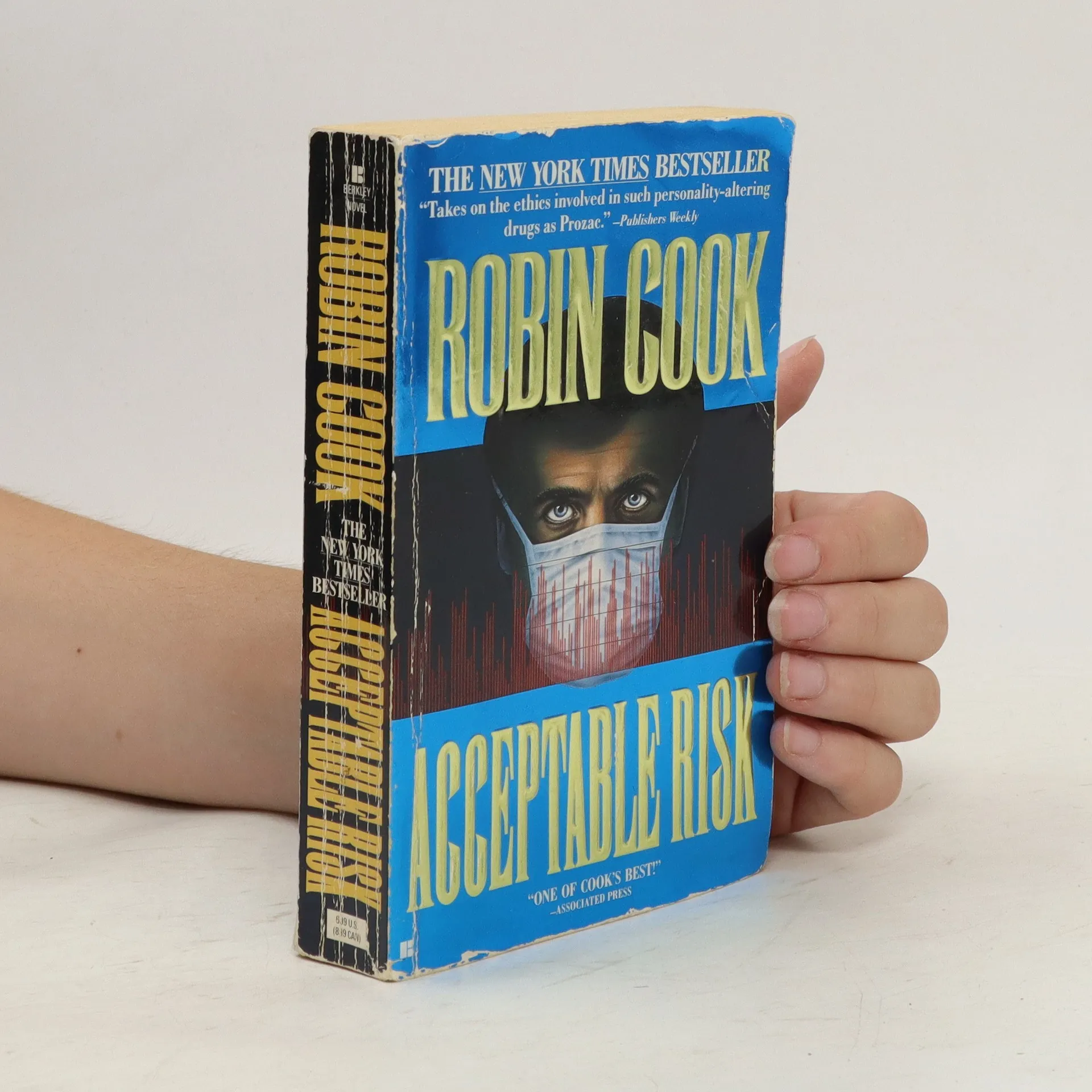
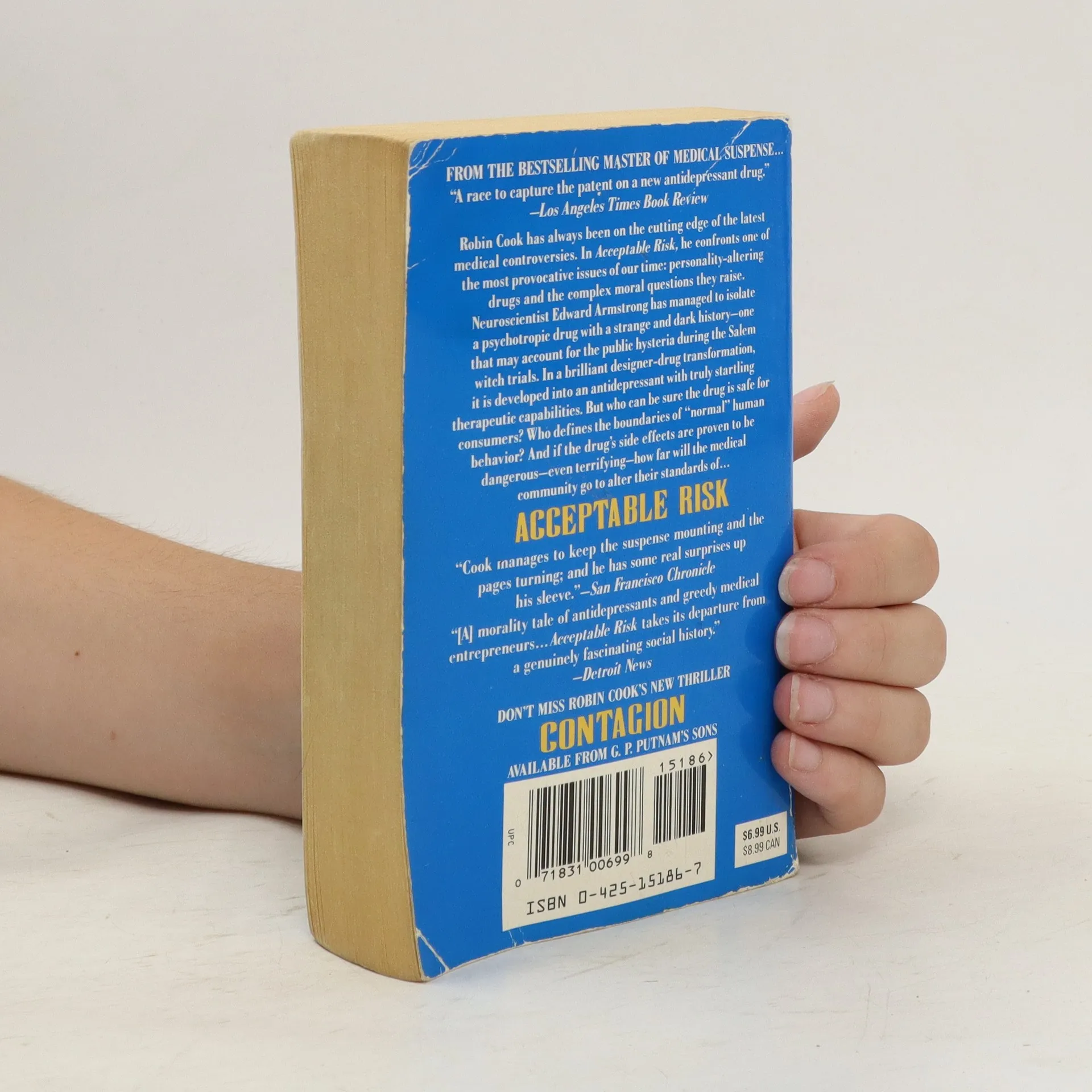
The bestselling “master of the medical thriller” (The New York Times) confronts one of the most compelling issues of our time: personality-altering drugs and the complex moral questions they raise. When neuroscientist Edward Armstrong begins dating Kimberly Stewart, a descendant of a woman who was hanged as a witch at the time of the Salem witch trials, he takes advantage of the opportunity to delve into a pet theory: that the “devil” in Salem in 1692 had been a hallucinogenic drug inadvertently consumed with mold-tainted grain. In an attempt to prove his theory, Edward grows the mold he believes responsible with samples from the Stewart estate. In a brilliant designer-drug transformation, the poison becomes Ultra, the next generation of antidepressants with truly startling therapeutic capabilties. But who can be sure the drug is safe for consumers? Who defines the boundaries of “normal” human behavior? And if the drug’s side effects are proven to be dangerous—even terrifying—how far will the medical community go to alter their standards of acceptable risk?






Achat du livre
Acceptable risk, Robin Cook
- Langue

- Année de publication
- 1996
- product-detail.submit-box.info.binding
- (souple)
Modes de paiement
Il manque plus que ton avis ici.
- Titre
- Acceptable risk
- Langue
- Anglais
- Auteurs
- Robin Cook
- Éditeur
- Berkley Books
- Publié
- 1996
- Format
- souple
- ISBN10
- 0425151867
- ISBN13
- 9780425151860
- Mots clés
- Fiction, Polars & Thrillers, Sciences naturelles, Thriller, Suspense, États-Unis, Meurtres, Enfants, Série, Thrillers psychologiques, New York, Amérique, Maladies, Recherche, Éthique, Meurtres en série, Conspirations, Grossesse, Secrets de famille, Médecins, Danger, Pathologie, Thrillers médicaux
- Première publication
- 1986
- Titre original
- Mindbend
- Évaluation
- 3,85 sur 5
- Description
- The bestselling “master of the medical thriller” (The New York Times) confronts one of the most compelling issues of our time: personality-altering drugs and the complex moral questions they raise. When neuroscientist Edward Armstrong begins dating Kimberly Stewart, a descendant of a woman who was hanged as a witch at the time of the Salem witch trials, he takes advantage of the opportunity to delve into a pet theory: that the “devil” in Salem in 1692 had been a hallucinogenic drug inadvertently consumed with mold-tainted grain. In an attempt to prove his theory, Edward grows the mold he believes responsible with samples from the Stewart estate. In a brilliant designer-drug transformation, the poison becomes Ultra, the next generation of antidepressants with truly startling therapeutic capabilties. But who can be sure the drug is safe for consumers? Who defines the boundaries of “normal” human behavior? And if the drug’s side effects are proven to be dangerous—even terrifying—how far will the medical community go to alter their standards of acceptable risk?