



En savoir plus sur le livre
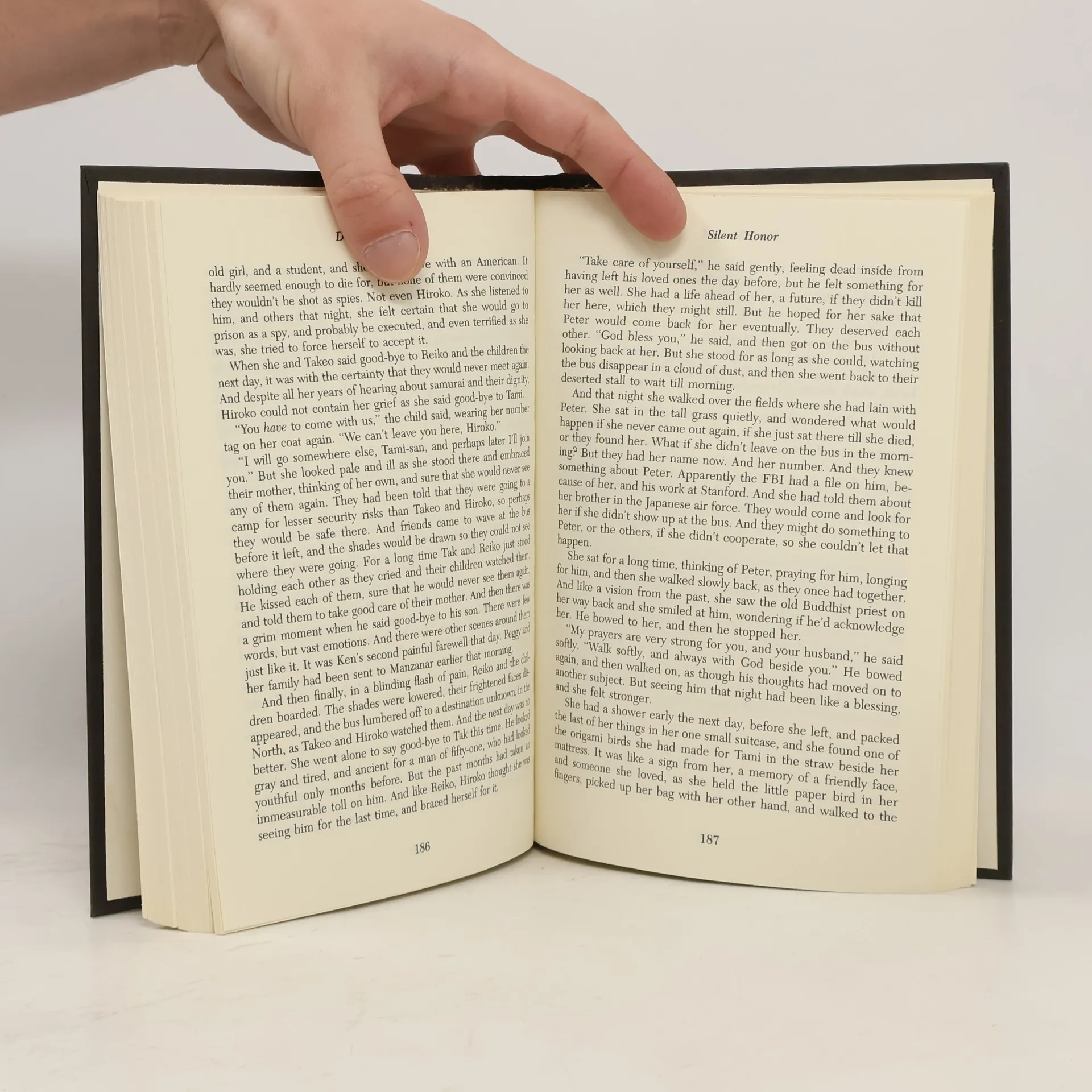
In her 38th bestselling novel, Danielle Steel presents a poignant portrayal of families divided and lives shattered during a troubling time in American history. Masao Takashimaya, a progressive Japanese college professor, dreams of a better future, while his wife clings to tradition. By the early 1940s, their daughter Hiroko, torn between her parents' beliefs, travels to California for an education, hoping to make her father proud. Arriving in August 1941, she finds a new world filled with American customs that contrast sharply with her upbringing. Her uncle Takeo's family has assimilated, and Hiroko forms a connection with Peter Jenkins, her uncle's assistant at Stanford. However, as she navigates college life in Berkeley, she encounters prejudice and fear. The bombing of Pearl Harbor marks a turning point, as Hiroko is suddenly viewed as an enemy. Despite her father's insistence that she remain in California for her safety, their world collapses when Executive Order 9066 is enacted, forcing Japanese Americans into relocation camps. Hiroko and her family face the harsh realities of detention at Tule Lake, where they confront loss, division, and the struggle for survival. Steel's narrative captures the human cost of this dark chapter in history, highlighting the resilience and dignity of those affected, while revealing the betrayal by their own government.




Achat du livre
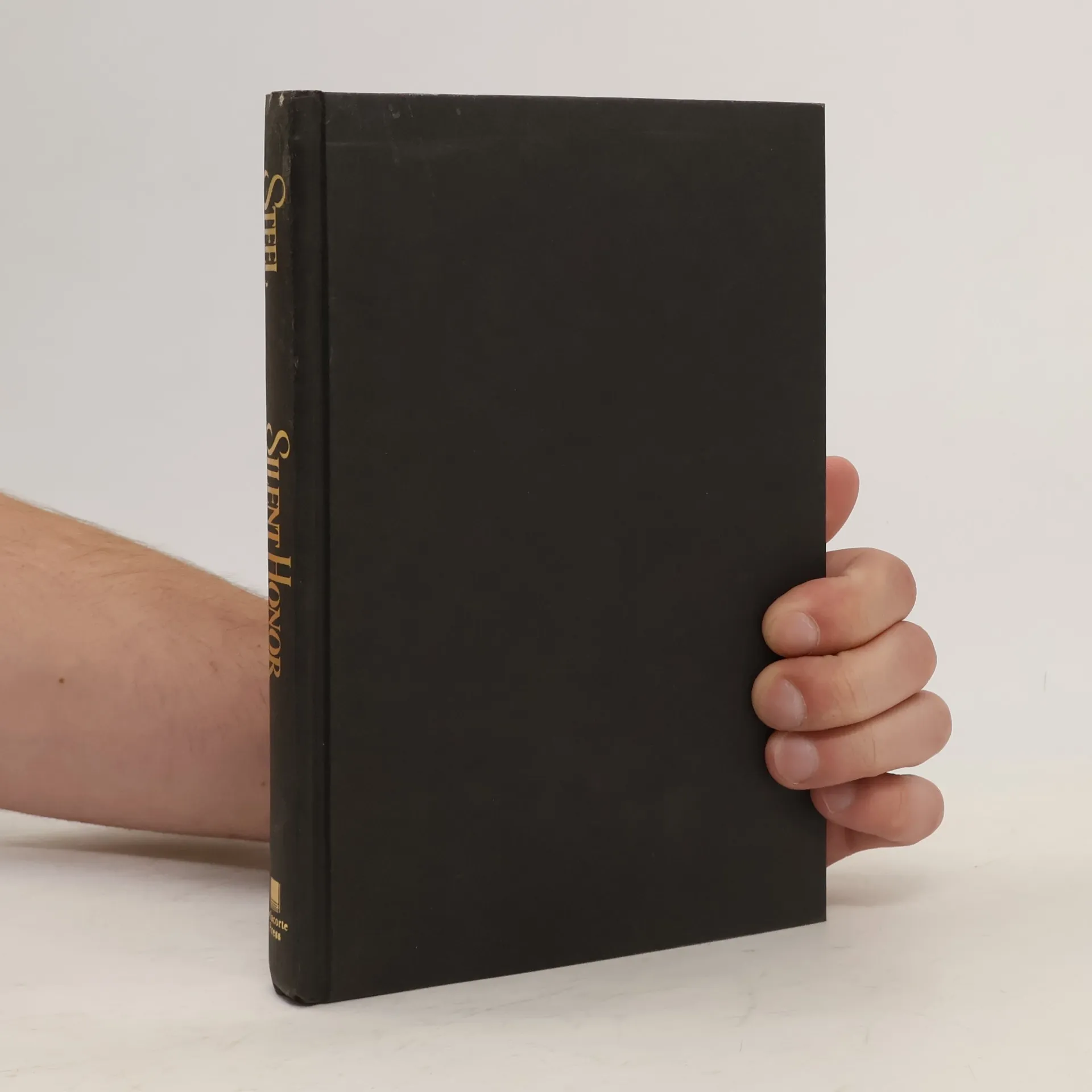
Silent Honor, Danielle Steel
- Langue

- Année de publication
- 1996
- product-detail.submit-box.info.binding
- (rigide),
- État du livre
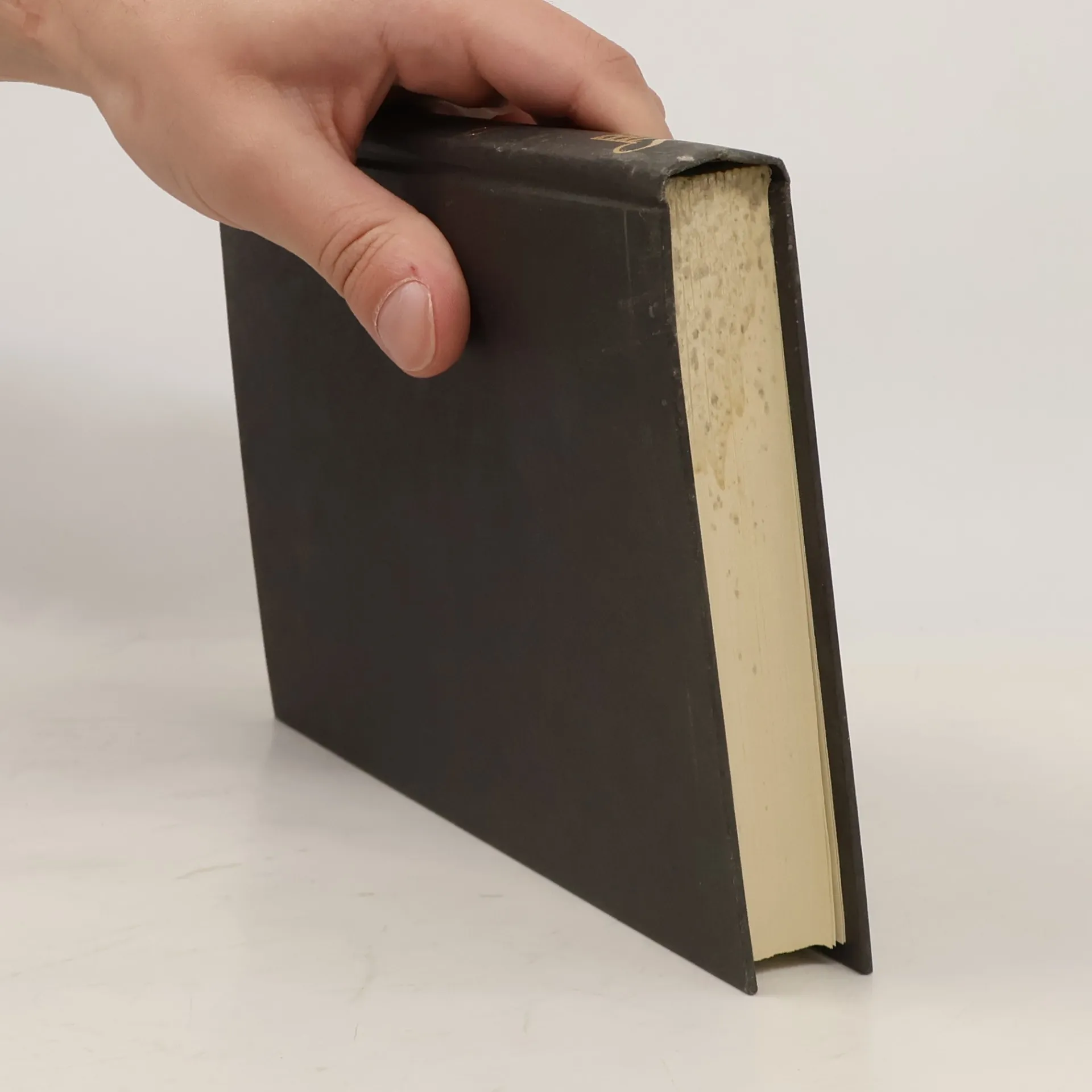
- Abîmé
- Prix
- 3,14 €
Modes de paiement
Il manque plus que ton avis ici.
- Titre
- Silent Honor
- Langue
- Anglais
- Auteurs
- Danielle Steel
- Éditeur
- Delacorte Press
- Publié
- 1996
- Format
- rigide
- Pages
- 353
- ISBN10
- 0385313012
- ISBN13
- 9780385313018
- Séries
- Mots clés
- Fiction, Romans d'amour, Romans historiques, Femmes, Romances historiques
- Première publication
- 1996
- Titre original
- Silent Honor
- Évaluation
- 3,85 sur 5
- Description
- In her 38th bestselling novel, Danielle Steel presents a poignant portrayal of families divided and lives shattered during a troubling time in American history. Masao Takashimaya, a progressive Japanese college professor, dreams of a better future, while his wife clings to tradition. By the early 1940s, their daughter Hiroko, torn between her parents' beliefs, travels to California for an education, hoping to make her father proud. Arriving in August 1941, she finds a new world filled with American customs that contrast sharply with her upbringing. Her uncle Takeo's family has assimilated, and Hiroko forms a connection with Peter Jenkins, her uncle's assistant at Stanford. However, as she navigates college life in Berkeley, she encounters prejudice and fear. The bombing of Pearl Harbor marks a turning point, as Hiroko is suddenly viewed as an enemy. Despite her father's insistence that she remain in California for her safety, their world collapses when Executive Order 9066 is enacted, forcing Japanese Americans into relocation camps. Hiroko and her family face the harsh realities of detention at Tule Lake, where they confront loss, division, and the struggle for survival. Steel's narrative captures the human cost of this dark chapter in history, highlighting the resilience and dignity of those affected, while revealing the betrayal by their own government.