

Paramètres
En savoir plus sur le livre
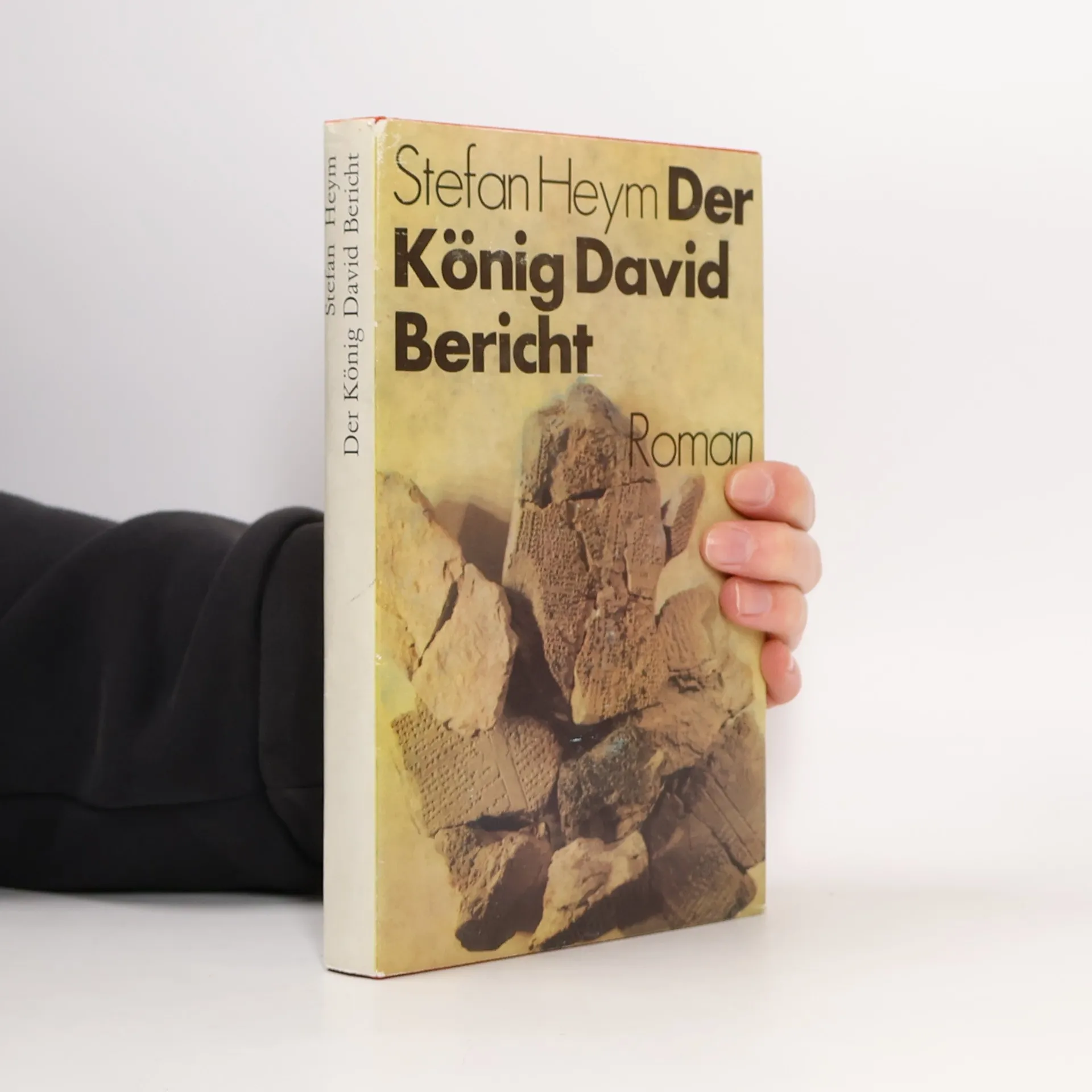
The well-known biblical story serves as the foundation for variations on the themes of truth and power. King Solomon, upon ascending to the throne, establishes a commission tasked with historically evaluating the reign of his predecessor and father, King David, to confirm the legitimacy of Solomon's succession. The commission is led by the historian Ethan. As he studies the sources, dark aspects of David's actions and the methods he used to gain power gradually emerge, presenting Ethan with a dilemma faced by intellectuals in totalitarian regimes: Should he write a truthful report and risk the king's wrath and certain punishment, or should he silence his sense of truth and conscience to produce what the ruling power expects? This exploration of moral conflict and the nature of power resonates deeply within the context of historical and contemporary governance.


Achat du livre
Der König David Bericht, Stefan Heym
- Langue

- Année de publication
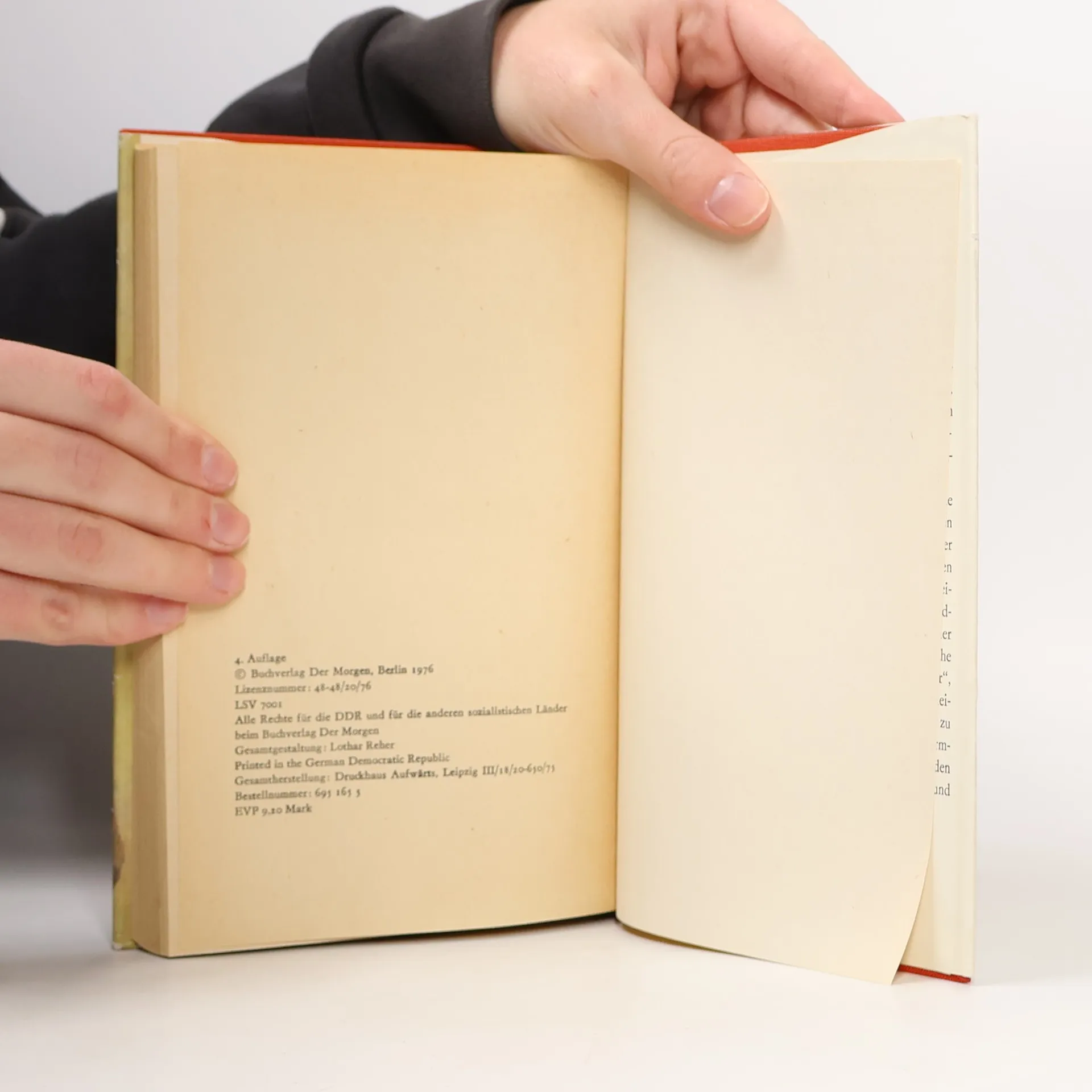
- 1976
- Reliure
- (rigide)
Modes de paiement
Il manque plus que ton avis ici.
- Titre
- Der König David Bericht
- Langue
- Anglais
- Auteurs
- Stefan Heym
- Éditeur
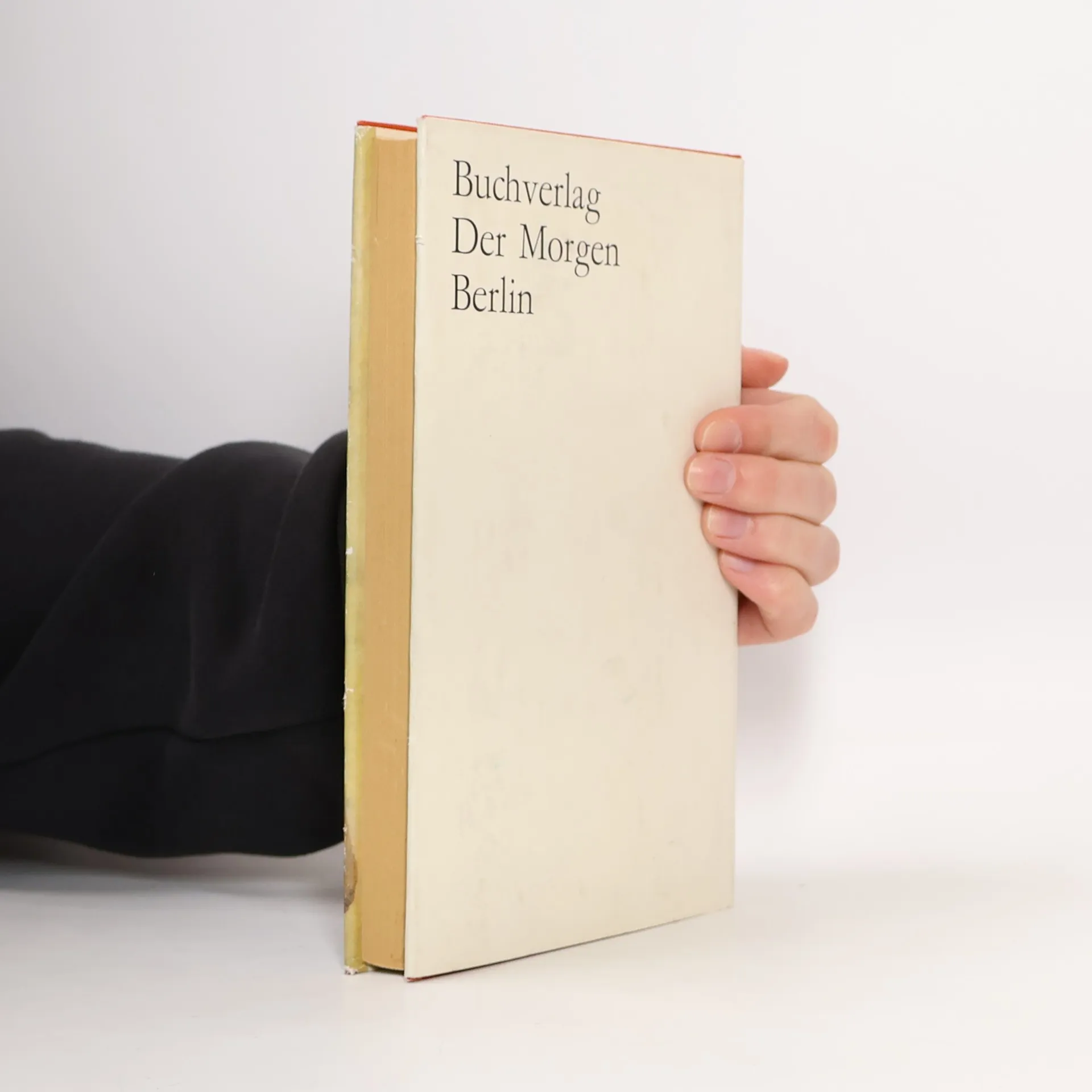
- Buchverlag
- Publié
- 1976
- Format
- rigide
- Séries
- Catégories
- Mots clés
- Littérature allemande, Allemagne, Littérature juive
- Première publication
- 1972
- Titre original
- Der König David Bericht
- Évaluation
- 4 sur 5
- Description
- The well-known biblical story serves as the foundation for variations on the themes of truth and power. King Solomon, upon ascending to the throne, establishes a commission tasked with historically evaluating the reign of his predecessor and father, King David, to confirm the legitimacy of Solomon's succession. The commission is led by the historian Ethan. As he studies the sources, dark aspects of David's actions and the methods he used to gain power gradually emerge, presenting Ethan with a dilemma faced by intellectuals in totalitarian regimes: Should he write a truthful report and risk the king's wrath and certain punishment, or should he silence his sense of truth and conscience to produce what the ruling power expects? This exploration of moral conflict and the nature of power resonates deeply within the context of historical and contemporary governance.