


En savoir plus sur le livre
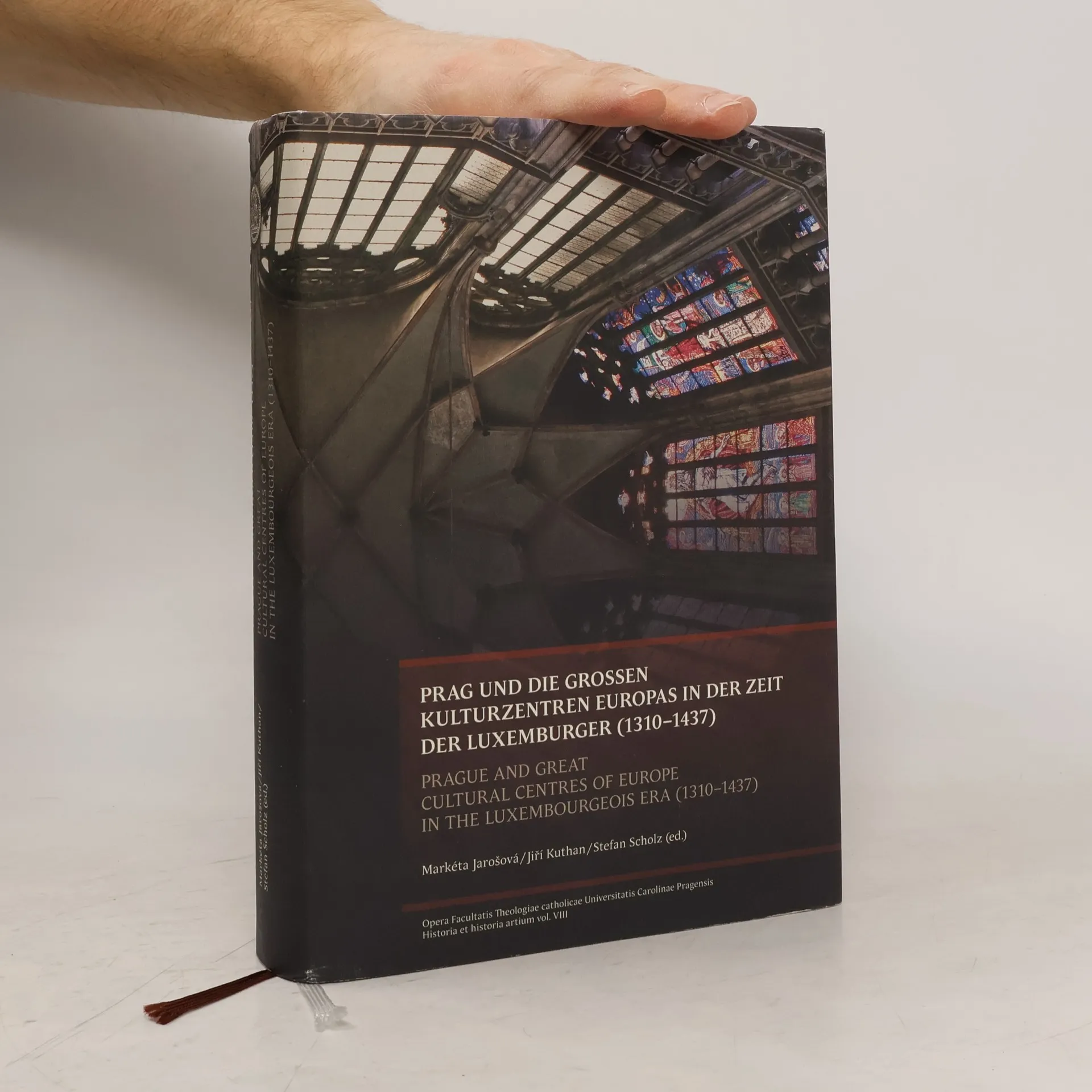
Prague, historically the seat of Czech rulers, gained prominence as the center of the Holy Roman Empire under Charles IV. He aimed to elevate the city through various initiatives, including the acquisition of sacred relics intended to enhance its sanctity and status among other holy sites. Charles IV was instrumental in establishing new monasteries and churches, as well as founding a university, the first north of the Alps. During his reign and that of his son Wenceslaus IV, the Cathedral of St. Vitus became a dominant feature of the skyline. Royal representation was expressed through architecture, sculpture, and painting, positioning Prague as a major spiritual and artistic hub in Europe, alongside Paris and Avignon. The connections formed between the Prague Luxembourg court and other royal courts facilitated the exchange of ideas and artistic movements. This period marked a golden age for Prague, which not only absorbed various influences but also emerged as a significant source of inspiration across Europe. This publication commemorates the role of Prague in this transformative era, coinciding with the 660th anniversary of the founding of Charles University.
Achat du livre
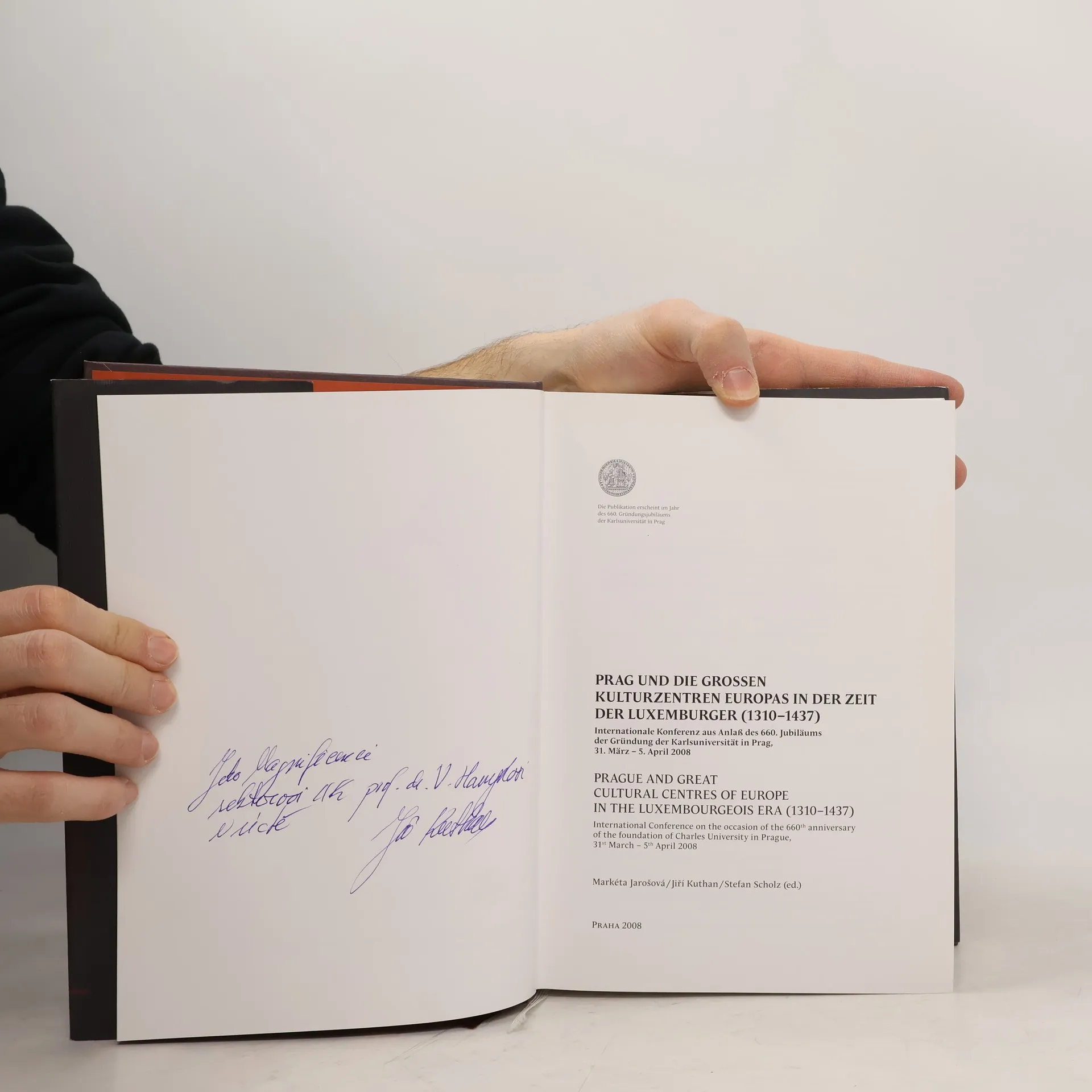
Prag und die großen Kulturzentren Europas in der Zeit der Luxemburger (1310 - 1437) / Prague and Great Cultural Centres of Europe in the Luxembourgeois Era (1310-1437), Markéta Jarošová
- Langue


- Année de publication
- 2008
- Reliure
- (rigide)
Modes de paiement
Personne n'a encore évalué .
- Titre
- Prag und die großen Kulturzentren Europas in der Zeit der Luxemburger (1310 - 1437) / Prague and Great Cultural Centres of Europe in the Luxembourgeois Era (1310-1437)
- Langue
- Anglais, Allemand
- Auteurs
- Markéta Jarošová
- Éditeur
- Togga
- Publié
- 2008
- Format
- rigide
- Pages
- 806
- ISBN10
- 808725810X
- ISBN13
- 9788087258101
- Séries
- Mots clés
- Thème historique, Moyen Âge, Prague, Maison de Luxembourg
- Description
- Prague, historically the seat of Czech rulers, gained prominence as the center of the Holy Roman Empire under Charles IV. He aimed to elevate the city through various initiatives, including the acquisition of sacred relics intended to enhance its sanctity and status among other holy sites. Charles IV was instrumental in establishing new monasteries and churches, as well as founding a university, the first north of the Alps. During his reign and that of his son Wenceslaus IV, the Cathedral of St. Vitus became a dominant feature of the skyline. Royal representation was expressed through architecture, sculpture, and painting, positioning Prague as a major spiritual and artistic hub in Europe, alongside Paris and Avignon. The connections formed between the Prague Luxembourg court and other royal courts facilitated the exchange of ideas and artistic movements. This period marked a golden age for Prague, which not only absorbed various influences but also emerged as a significant source of inspiration across Europe. This publication commemorates the role of Prague in this transformative era, coinciding with the 660th anniversary of the founding of Charles University.