

En savoir plus sur le livre
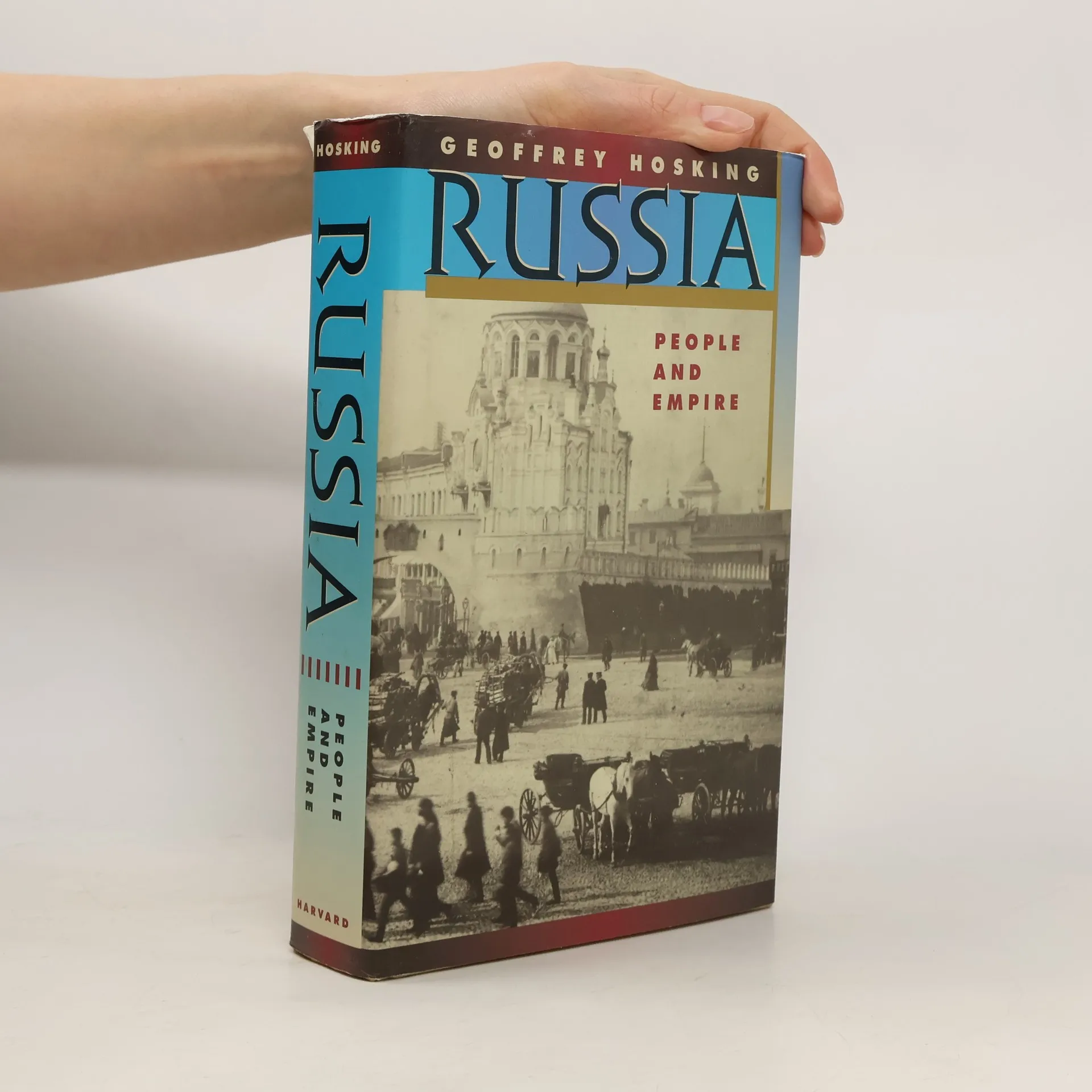
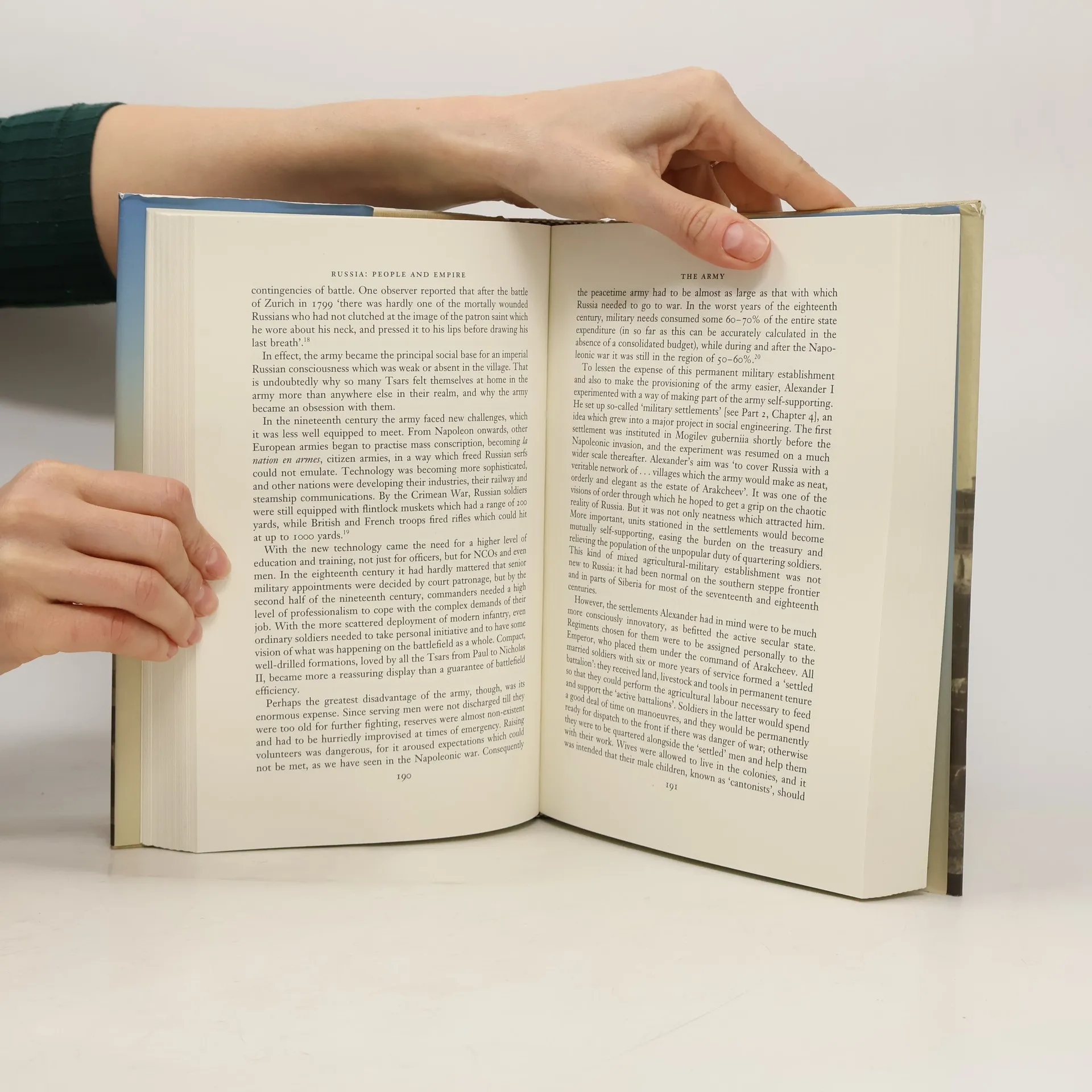
As the Soviet Union collapses and Russia emerges anew, the notion of a cohesive nation remains elusive. Historian Geoffrey Hosking argues that this struggle with nationhood is central to contemporary Russian identity. His exploration spans 300 years of empire-building that overshadowed national identity, beginning in the 16th century with the establishment of a vast and diverse empire. Hosking illustrates how the challenges of conquering and managing such a multitude of territories drained the common people's resources and weakened civic institutions. Neither the church nor the state succeeded in fostering a unified sense of 'Russian-ness' that connected the elites and the masses. He contrasts the lives of the gentry and the peasantry, highlighting the widening gap exacerbated by the Tsarist regime's rejection of the Orthodox messianic myth. This myth, foundational to the empire, resurfaced in revolutionary movements that dismantled the Tsarist regime, only to give rise to an even more universalist empire. While Hosking concludes his narrative in 1917, he emphasizes that the conflicts he outlines continue to resonate in Russia's challenges today.


Achat du livre
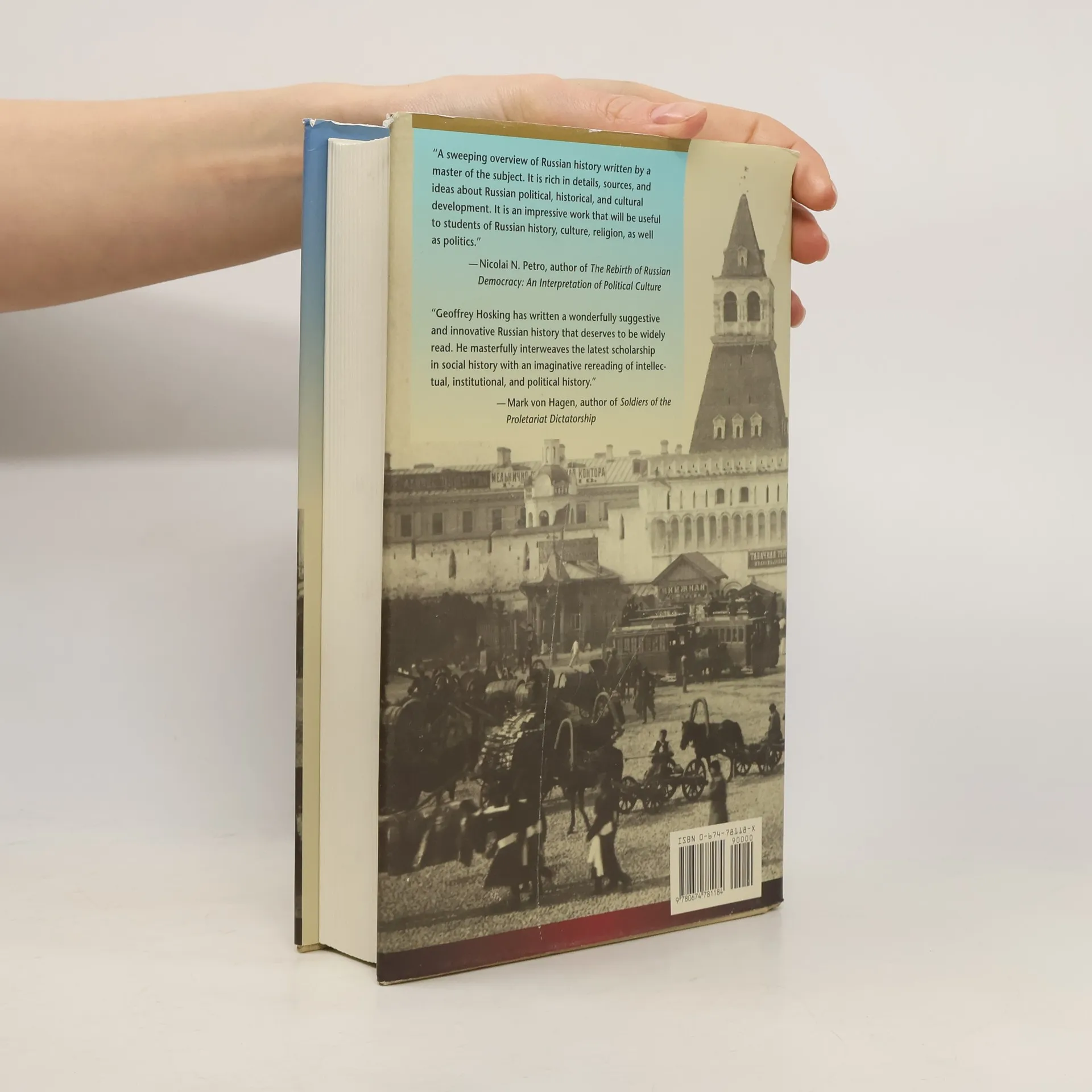
Russia, Geoffrey A. Hosking
- Langue

- Année de publication
- 1997
- product-detail.submit-box.info.binding
- (rigide),
- État du livre
- Abîmé
- Prix
- 12,10 €
Modes de paiement
Personne n'a encore évalué .