

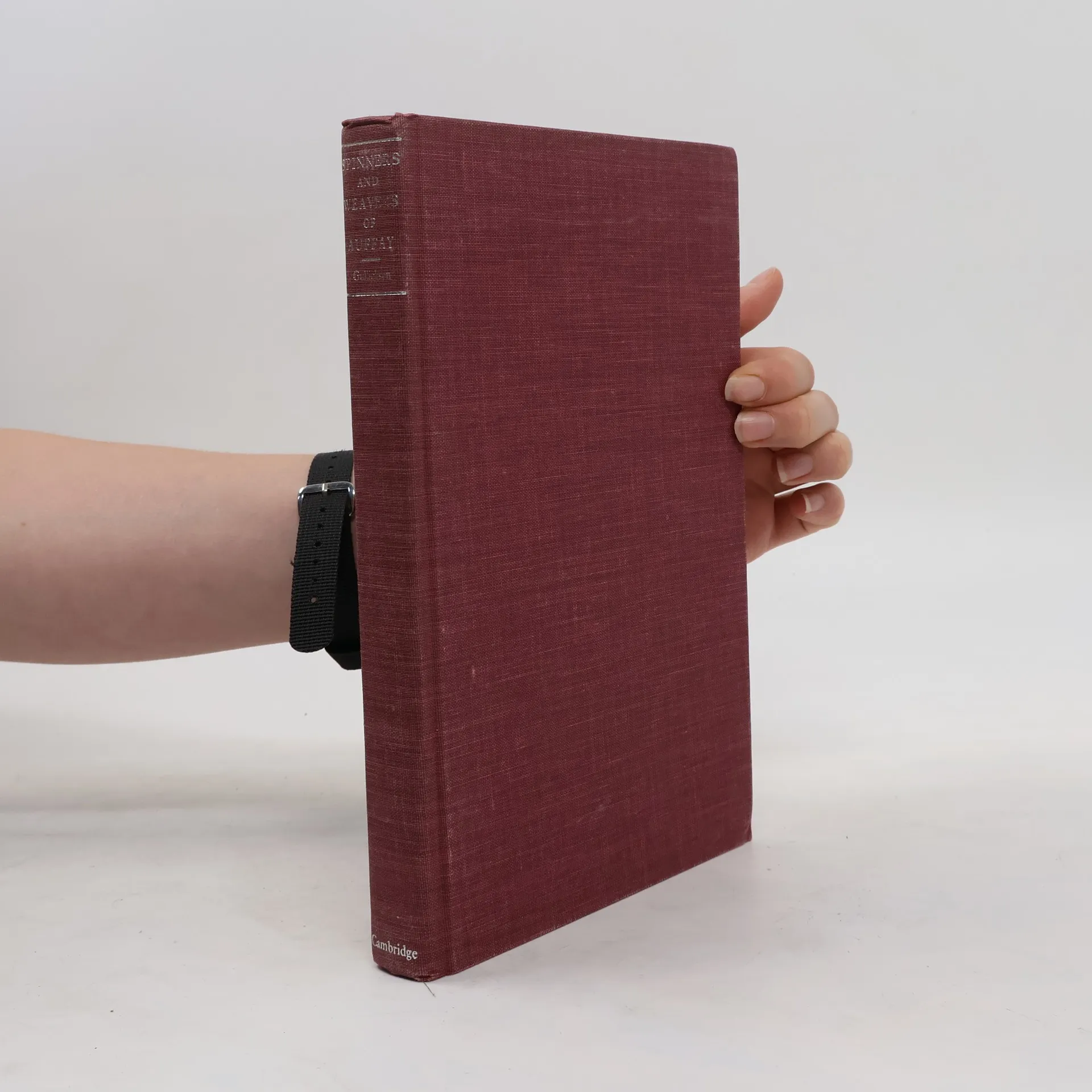
The Spinners and Weavers of Auffay
Rural Industry and the Sexual Division of Labor in a French Village
Auteurs
Évaluation du livre
En savoir plus sur le livre
The cottage industry of France enjoyed enormous growth from the mid-eighteenth to the mid-nineteenth century. Through an intensive analysis of the social and economic impact of the expansion of this female-dominated industry, Gay Gullickson broadens our understanding of the variety and complexity of proto-industrial regions and of the proto-industrial processes. Focusing on the village of Auffay, located in the pays de Caux, a thriving agricultural region, Gullickson recreates the experiences of the women and men who spun and wove for the urban putting-out merchants. Social analysis of local memoirs, government reports, notarial and judicial records, and village cahiers de doléances, enables Gullickson to offer a more nuanced and accurate view of the causes and consequences of the expansion of the cottage textile industry in the pre-factory era. Her 1987 study is further enhanced by a quantitative analysis based primarily on the reconstitution of the families of the 727 couples who married in Auffay between 1750 and 1850.
Achat du livre
The Spinners and Weavers of Auffay, Gay L. Gullickson
- Langue

- Année de publication
- 1986
- Reliure
- (rigide)
Modes de paiement
Il manque plus que ton avis ici.
- Titre
- The Spinners and Weavers of Auffay
- Sous-titre
- Rural Industry and the Sexual Division of Labor in a French Village
- Langue
- Anglais
- Auteurs
- Gay L. Gullickson
- Éditeur
- Cambridge University Press
- Publié
- 1986
- Format
- rigide
- Pages
- 268
- ISBN10
- 0521322804
- ISBN13
- 9780521322805
- Séries
- Évaluation
- 5 sur 5
- Description
- The cottage industry of France enjoyed enormous growth from the mid-eighteenth to the mid-nineteenth century. Through an intensive analysis of the social and economic impact of the expansion of this female-dominated industry, Gay Gullickson broadens our understanding of the variety and complexity of proto-industrial regions and of the proto-industrial processes. Focusing on the village of Auffay, located in the pays de Caux, a thriving agricultural region, Gullickson recreates the experiences of the women and men who spun and wove for the urban putting-out merchants. Social analysis of local memoirs, government reports, notarial and judicial records, and village cahiers de doléances, enables Gullickson to offer a more nuanced and accurate view of the causes and consequences of the expansion of the cottage textile industry in the pre-factory era. Her 1987 study is further enhanced by a quantitative analysis based primarily on the reconstitution of the families of the 727 couples who married in Auffay between 1750 and 1850.