

En savoir plus sur le livre
Recent research findings have led to a paradigmatic shift in our conceptualization of chronic depressions, ushering in a new era of optimism about their clinical management. This volume documents the ongoing transformation of theory and practice--from art into science--in this critical field. Bringing together leading international experts in psychiatry and psychology, the book reviews what is currently known about the nature and classification of specified chronic depressive subtypes. With vital implications for the pharmacologic treatment of a range of disorders that were historically believed to be beyond the reach of somatotherapy, the book also considers psychotherapeutic issues and raises numerous compelling questions for future investigation.
Achat du livre
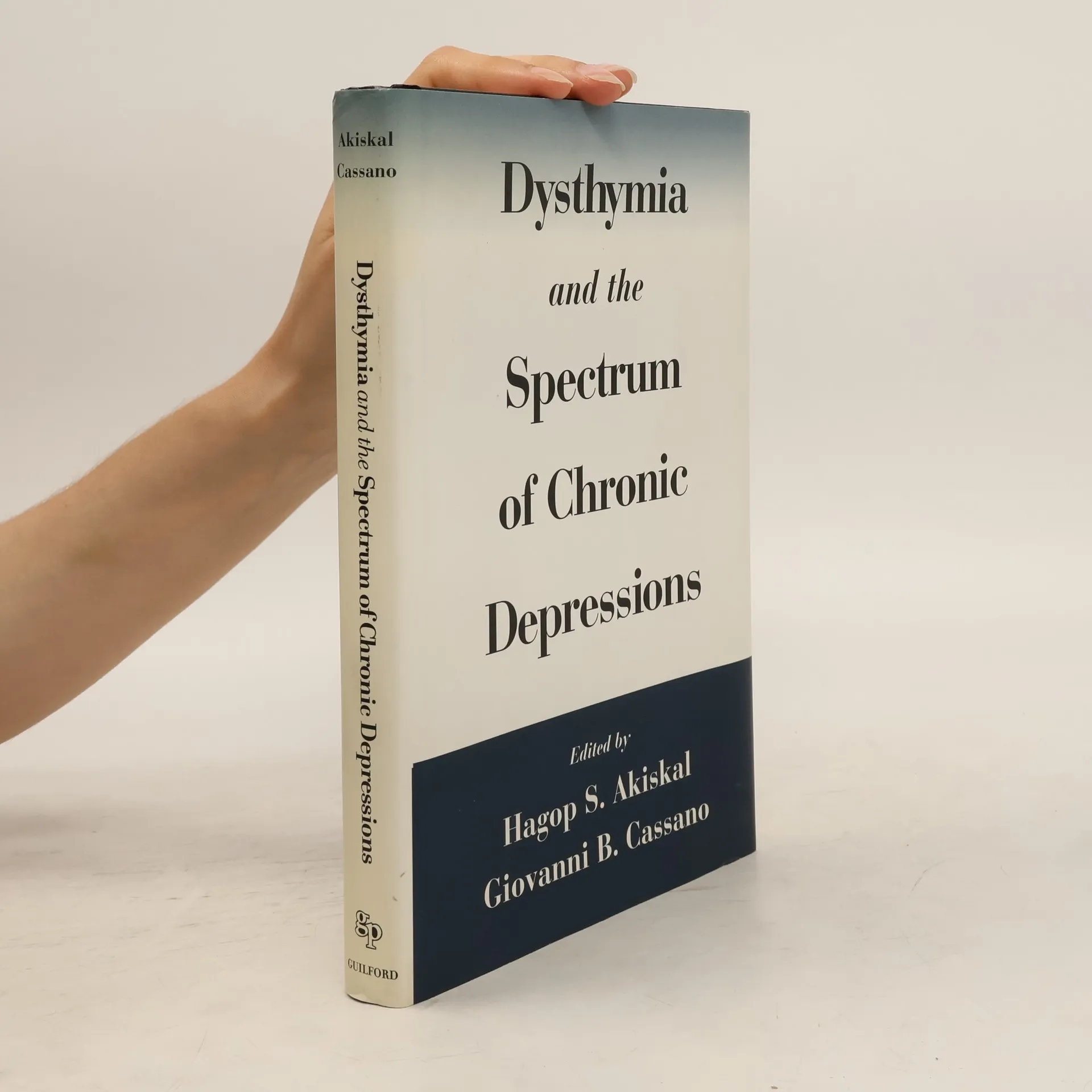
Dysthymia and the Spectrum of Chronic Depressions, Hagop S. Akiskal, Giovanni B. Cassano
- Langue

- Année de publication
- 1997
- Reliure
- (rigide)
Modes de paiement
Il manque plus que ton avis ici.
- Titre
- Dysthymia and the Spectrum of Chronic Depressions
- Langue
- Anglais
- Auteurs
- Hagop S. Akiskal, Giovanni B. Cassano
- Éditeur
- Guilford Press
- Publié
- 1997
- Format
- rigide
- Pages
- 228
- ISBN10
- 1572300892
- ISBN13
- 9781572300897
- Séries
- Catégories
- Mots clés
- Évaluation
- 3,75 sur 5
- Description
- Recent research findings have led to a paradigmatic shift in our conceptualization of chronic depressions, ushering in a new era of optimism about their clinical management. This volume documents the ongoing transformation of theory and practice--from art into science--in this critical field. Bringing together leading international experts in psychiatry and psychology, the book reviews what is currently known about the nature and classification of specified chronic depressive subtypes. With vital implications for the pharmacologic treatment of a range of disorders that were historically believed to be beyond the reach of somatotherapy, the book also considers psychotherapeutic issues and raises numerous compelling questions for future investigation.