

En savoir plus sur le livre
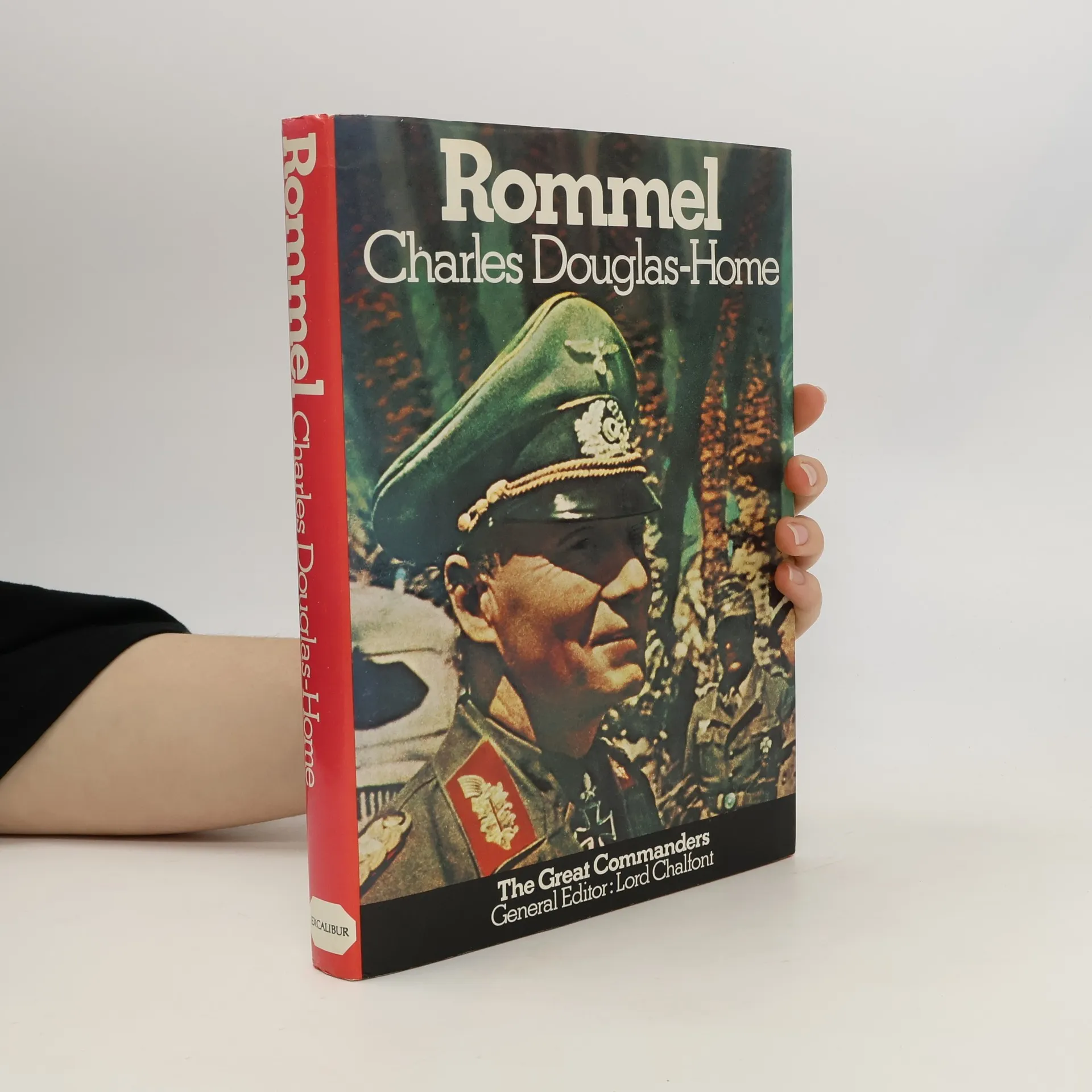
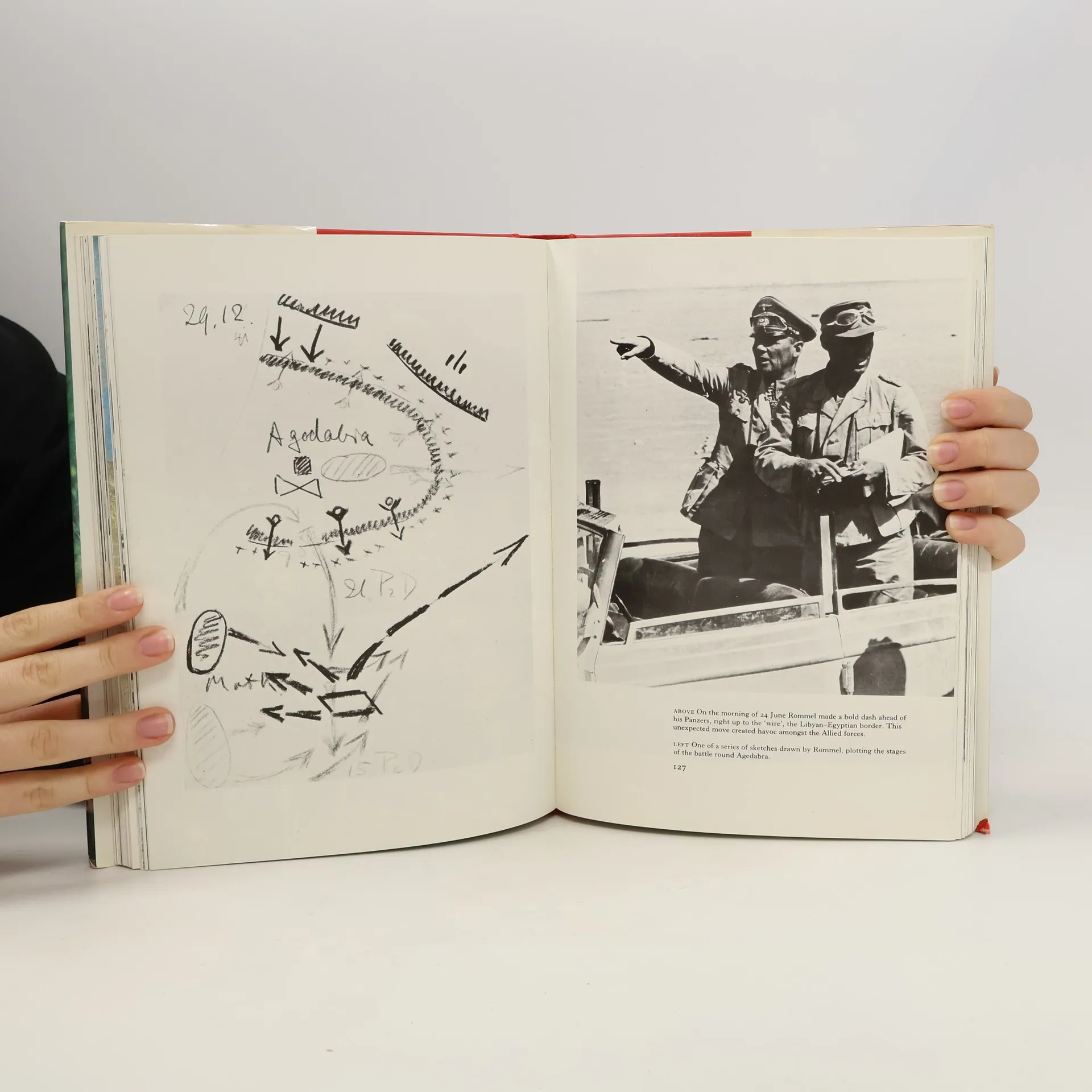
Rommel stands out as a unique figure in German military history, known for his audacity and imaginative approach to warfare, akin to the greatest commanders. Emerging from a military middle-class background in provincial Germany, he experienced the collapse of Bismarck’s Second Reich in 1918, the struggles of the 1920s, and the rise of Hitler's regime, culminating in the chaos of World War II. Despite the turbulent politics of his time, Rommel appeared insulated from its influences, only revealing his extraordinary military prowess in the heat of battle, securing his legacy in military history. This book offers a fresh perspective on Rommel's tactical genius and the myth surrounding the leader of the Afrika Korps. It delves into significant events such as the advance of his ‘ghost’ division through France in May and June 1940, his unsuccessful attempt to capture Tobruk in November 1941, the Gazala Boxes in May and June 1942, and the pivotal battles of El Alamein and Kasserine in February 1943. The author examines Rommel’s character, leadership qualities, and the reasons behind his captivating presence for both the Allies and Axis powers. The book includes 16 pages of color plates and 100 black-and-white illustrations.



Achat du livre
Rommel, Charles Douglas-Home, Arthur Gwynne Jones Chalfont
- Langue

- Année de publication
- 1973
- product-detail.submit-box.info.binding
- (rigide),
- État du livre
- Bon
- Prix
- 7,99 €
Modes de paiement
Il manque plus que ton avis ici.
- Titre
- Rommel
- Langue
- Anglais
- Éditeur
- Excalibur Books
- Publié
- 1973
- Format
- rigide
- Pages
- 224
- ISBN10
- 0525701044
- ISBN13
- 9780525701040
- Séries
- Mots clés
- Nonfiction, Technologie & Ingénierie, Militaire
- Évaluation
- 4 sur 5
- Description
- Rommel stands out as a unique figure in German military history, known for his audacity and imaginative approach to warfare, akin to the greatest commanders. Emerging from a military middle-class background in provincial Germany, he experienced the collapse of Bismarck’s Second Reich in 1918, the struggles of the 1920s, and the rise of Hitler's regime, culminating in the chaos of World War II. Despite the turbulent politics of his time, Rommel appeared insulated from its influences, only revealing his extraordinary military prowess in the heat of battle, securing his legacy in military history. This book offers a fresh perspective on Rommel's tactical genius and the myth surrounding the leader of the Afrika Korps. It delves into significant events such as the advance of his ‘ghost’ division through France in May and June 1940, his unsuccessful attempt to capture Tobruk in November 1941, the Gazala Boxes in May and June 1942, and the pivotal battles of El Alamein and Kasserine in February 1943. The author examines Rommel’s character, leadership qualities, and the reasons behind his captivating presence for both the Allies and Axis powers. The book includes 16 pages of color plates and 100 black-and-white illustrations.