

Évaluation du livre
En savoir plus sur le livre
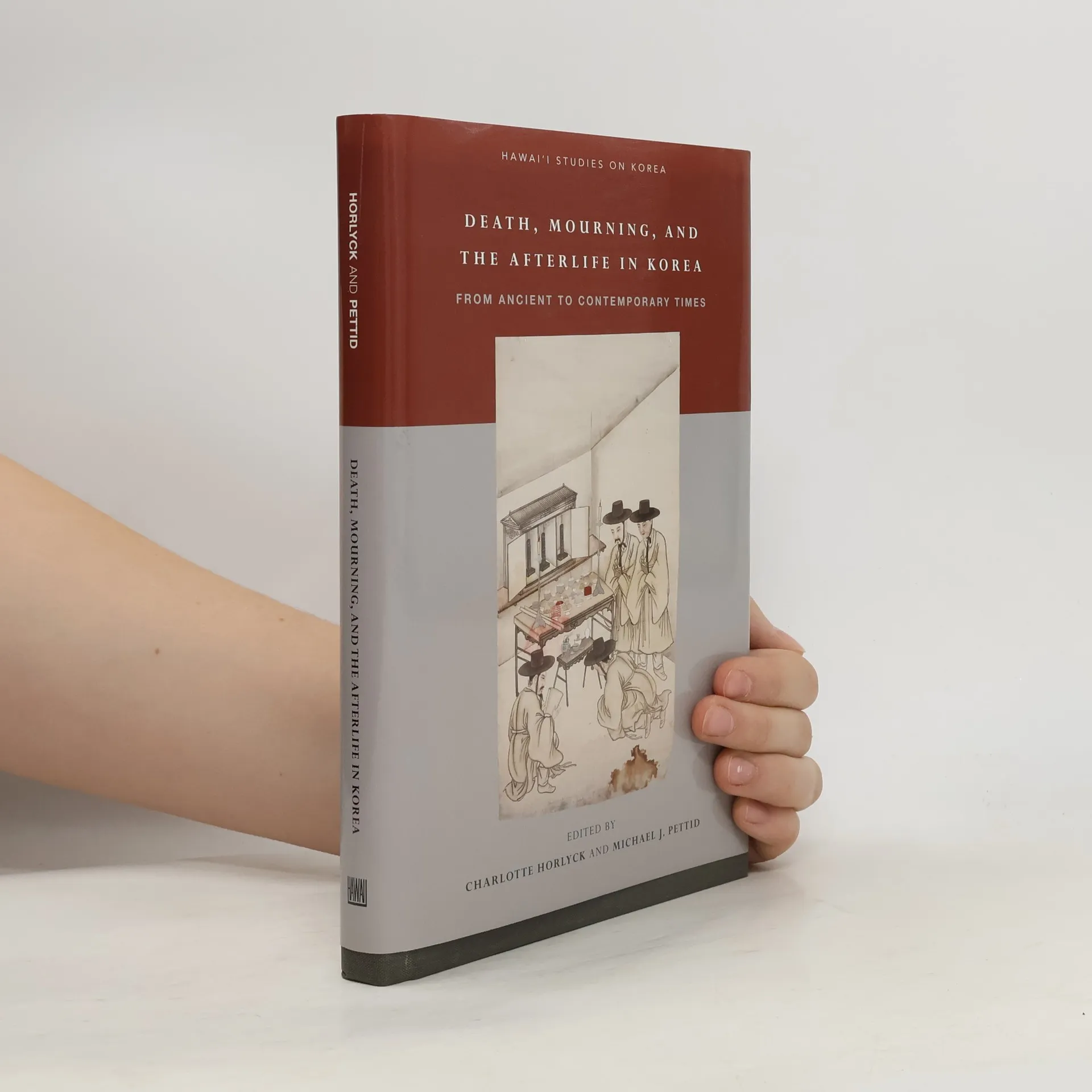
Death and the beliefs surrounding it reveal much about the ideals and cultures of the living. While death marks the end of physical life, its mental and spiritual implications often persist, with the influence of the deceased sometimes surpassing their presence in life. This volume adopts a multidisciplinary approach to explore both historic and contemporary death-related practices in Korea. Contributors from Korea and the West utilize archaeology, history, literature, religion, and anthropology to discuss topics related to the body, disposal of remains, ancestor worship, and the afterlife. The initial chapters examine the treatment of the dying and the dead from the Greater Silla Kingdom to the mid-twentieth century, covering grave construction, cemeteries, and memorial monuments in the Koryŏ and twentieth century. Ancestral rites and worship, integral to Korean mortuary customs since premodern times, are also addressed. The text explores the need to appease the dead in both shamanic and Confucian contexts. Additionally, it delves into ghost stories and nonconformist narratives, highlighting conflicts between Buddhist thought and Neo-Confucian doctrine. The final chapter discusses how early Korean Catholics understood death and the afterlife. This work significantly contributes to the study of Korean society and East Asian mortuary practices, making it a valuable resource for scholars and students across various fields.
Achat du livre
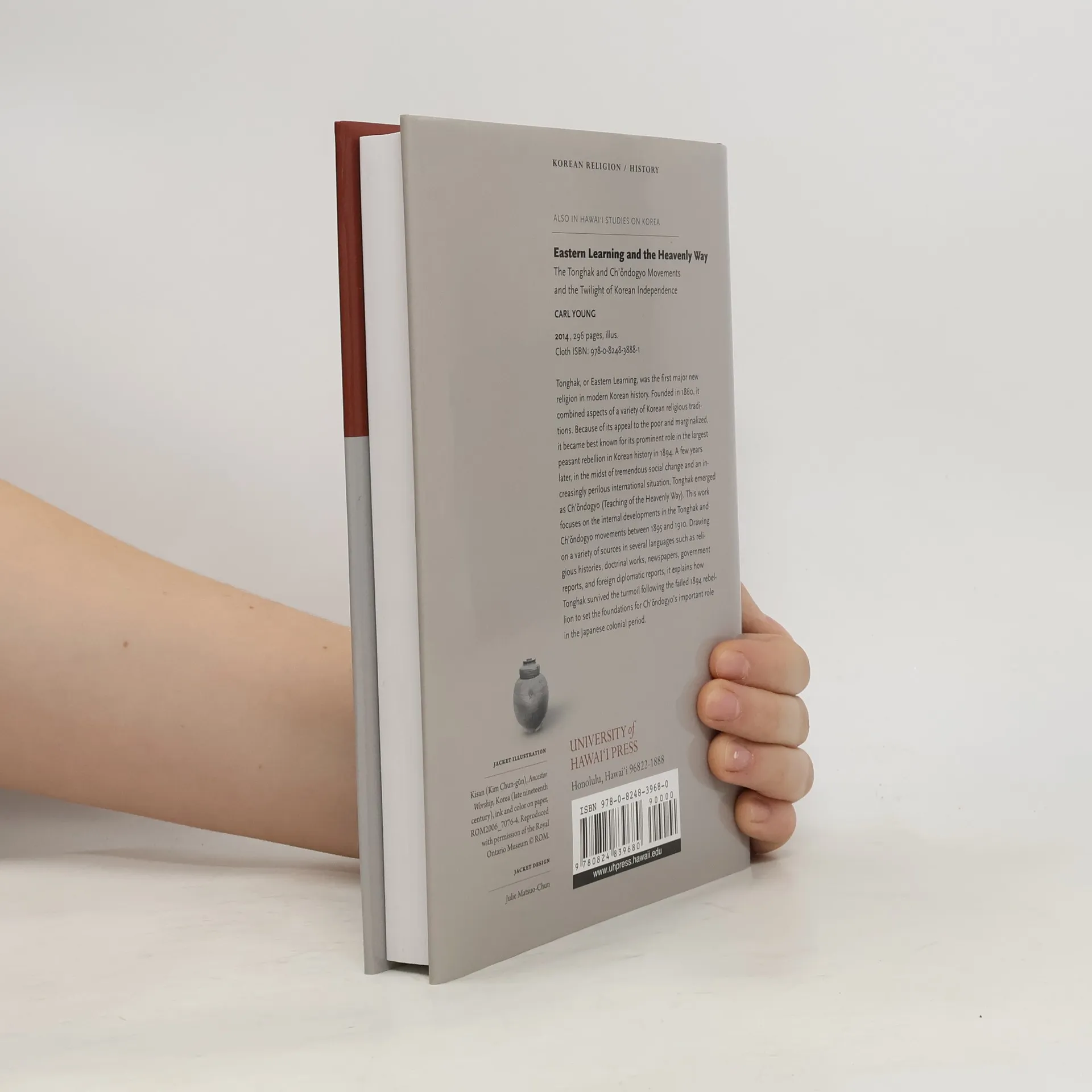
Hawai'i Studies on Korea: Death, Mourning, and the Afterlife in Korea, Charlotte Horlyck, Michael J. Pettid
- Langue

- Année de publication
- 2014
- Reliure
- (rigide)
Modes de paiement
Il manque plus que ton avis ici.
- Titre
- Hawai'i Studies on Korea: Death, Mourning, and the Afterlife in Korea
- Sous-titre
- Ancient to Contemporary Times
- Langue
- Anglais
- Auteurs
- Charlotte Horlyck, Michael J. Pettid
- Éditeur
- University of Hawaii Press
- Publié
- 2014
- Format
- rigide
- Pages
- 265
- ISBN10
- 0824839684
- ISBN13
- 9780824839680
- Séries
- Catégories
- Mots clés
- Thème historique, États-Unis, Asie, Corée, Corée du Sud
- Évaluation
- 3 sur 5
- Description
- Death and the beliefs surrounding it reveal much about the ideals and cultures of the living. While death marks the end of physical life, its mental and spiritual implications often persist, with the influence of the deceased sometimes surpassing their presence in life. This volume adopts a multidisciplinary approach to explore both historic and contemporary death-related practices in Korea. Contributors from Korea and the West utilize archaeology, history, literature, religion, and anthropology to discuss topics related to the body, disposal of remains, ancestor worship, and the afterlife. The initial chapters examine the treatment of the dying and the dead from the Greater Silla Kingdom to the mid-twentieth century, covering grave construction, cemeteries, and memorial monuments in the Koryŏ and twentieth century. Ancestral rites and worship, integral to Korean mortuary customs since premodern times, are also addressed. The text explores the need to appease the dead in both shamanic and Confucian contexts. Additionally, it delves into ghost stories and nonconformist narratives, highlighting conflicts between Buddhist thought and Neo-Confucian doctrine. The final chapter discusses how early Korean Catholics understood death and the afterlife. This work significantly contributes to the study of Korean society and East Asian mortuary practices, making it a valuable resource for scholars and students across various fields.