



En savoir plus sur le livre
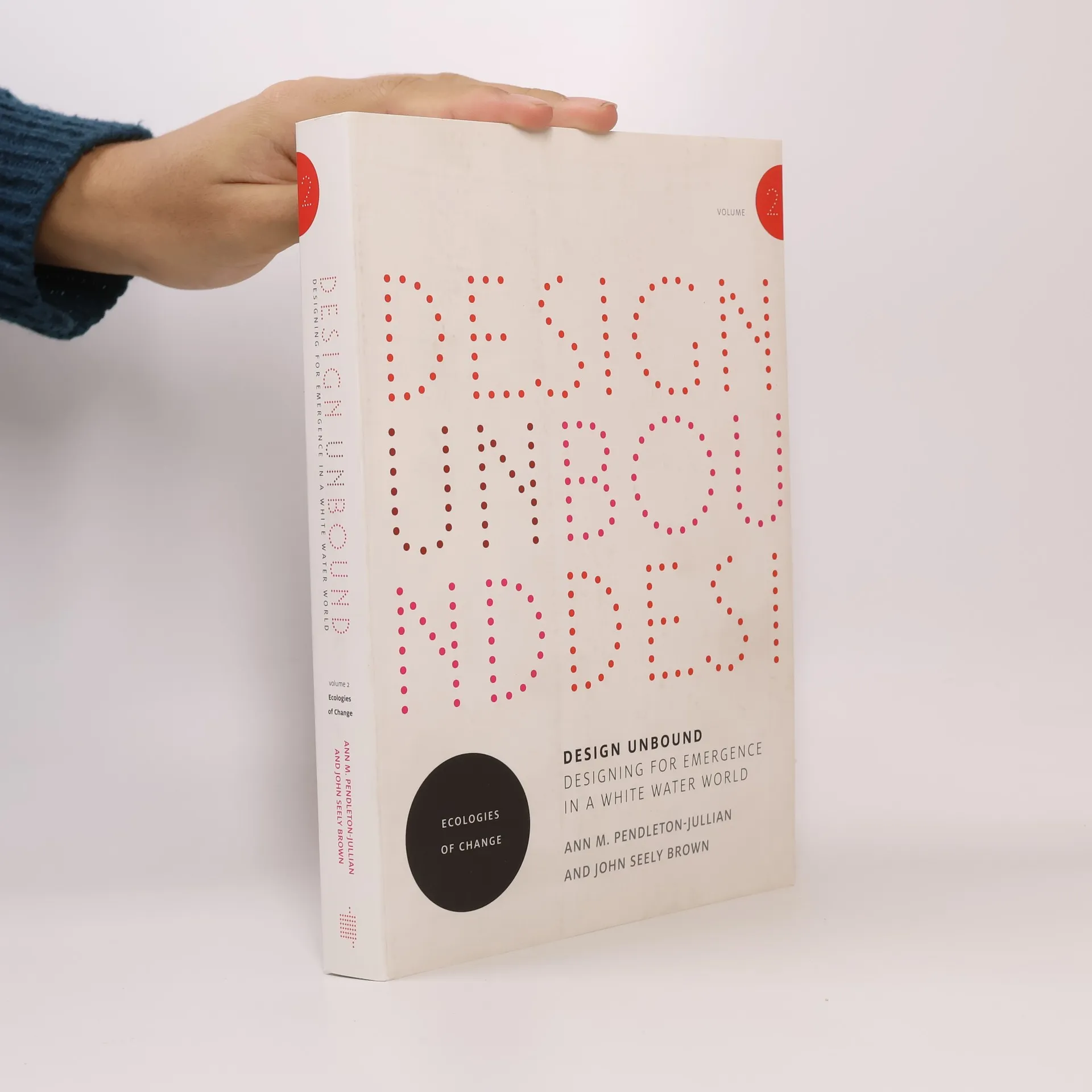
This work offers tools for navigating today's hyper-connected and rapidly changing world, characterized as a "white water world." The authors introduce a new set of practices influenced by complexity science, providing a fresh perspective on viewing the world as entangled and emergent, while emphasizing the role of architecture in designing contexts. In this framework, design transcends its material aspects to engage with complex systems. Given the systemic and elusive nature of causality, absolute outcomes are unattainable; thus, the focus shifts to designing for emergence. The text supports this argument with theoretical insights and practical tools, illustrated through diverse case studies, including innovative educational models and societal transformations. Drawing from a wide range of fields—architecture, science, philosophy, cinema, music, literature, and even military strategies—the work is structured into five books bound as two volumes. Each book resonates with different audiences, from architects to those rethinking higher education and public policy. The authors offer various entry points, enabling readers to navigate their unique pathways through this comprehensive exploration.


Achat du livre
Design Unbound, Ann M. Pendleton-Jullian, John Seely Brown
- Langue

- Année de publication
- 2018
- Reliure
- (souple)
Modes de paiement
Il manque plus que ton avis ici.
- Titre
- Design Unbound
- Sous-titre
- Designing for Emergence in a White Water World, Volume 2
- Langue
- Anglais
- Éditeur
- MIT Press
- Publié
- 2018
- Format
- souple
- Pages
- 496
- ISBN10
- 0262535823
- ISBN13
- 9780262535823
- Séries
- Mots clés
- Nonfiction, Art / Culture, Sciences sociales, Commerce, Affaires & Gestion, Art, Architecture, Architecture et urbanisme, Philosophie, Psychologie, Politique, Médecine, Technologie, Sociologie, Éducation, système scolaire, Design, Littérature spécialisée, Journalisme et Publication, Leadership, Marketing et relations publiques, Culture, Emploi, Villes, Médias et communication médiatique, Innovation, Aspects sociaux, Conception de bâtiments
- Évaluation
- 4,05 sur 5
- Description
- This work offers tools for navigating today's hyper-connected and rapidly changing world, characterized as a "white water world." The authors introduce a new set of practices influenced by complexity science, providing a fresh perspective on viewing the world as entangled and emergent, while emphasizing the role of architecture in designing contexts. In this framework, design transcends its material aspects to engage with complex systems. Given the systemic and elusive nature of causality, absolute outcomes are unattainable; thus, the focus shifts to designing for emergence. The text supports this argument with theoretical insights and practical tools, illustrated through diverse case studies, including innovative educational models and societal transformations. Drawing from a wide range of fields—architecture, science, philosophy, cinema, music, literature, and even military strategies—the work is structured into five books bound as two volumes. Each book resonates with different audiences, from architects to those rethinking higher education and public policy. The authors offer various entry points, enabling readers to navigate their unique pathways through this comprehensive exploration.