



En savoir plus sur le livre
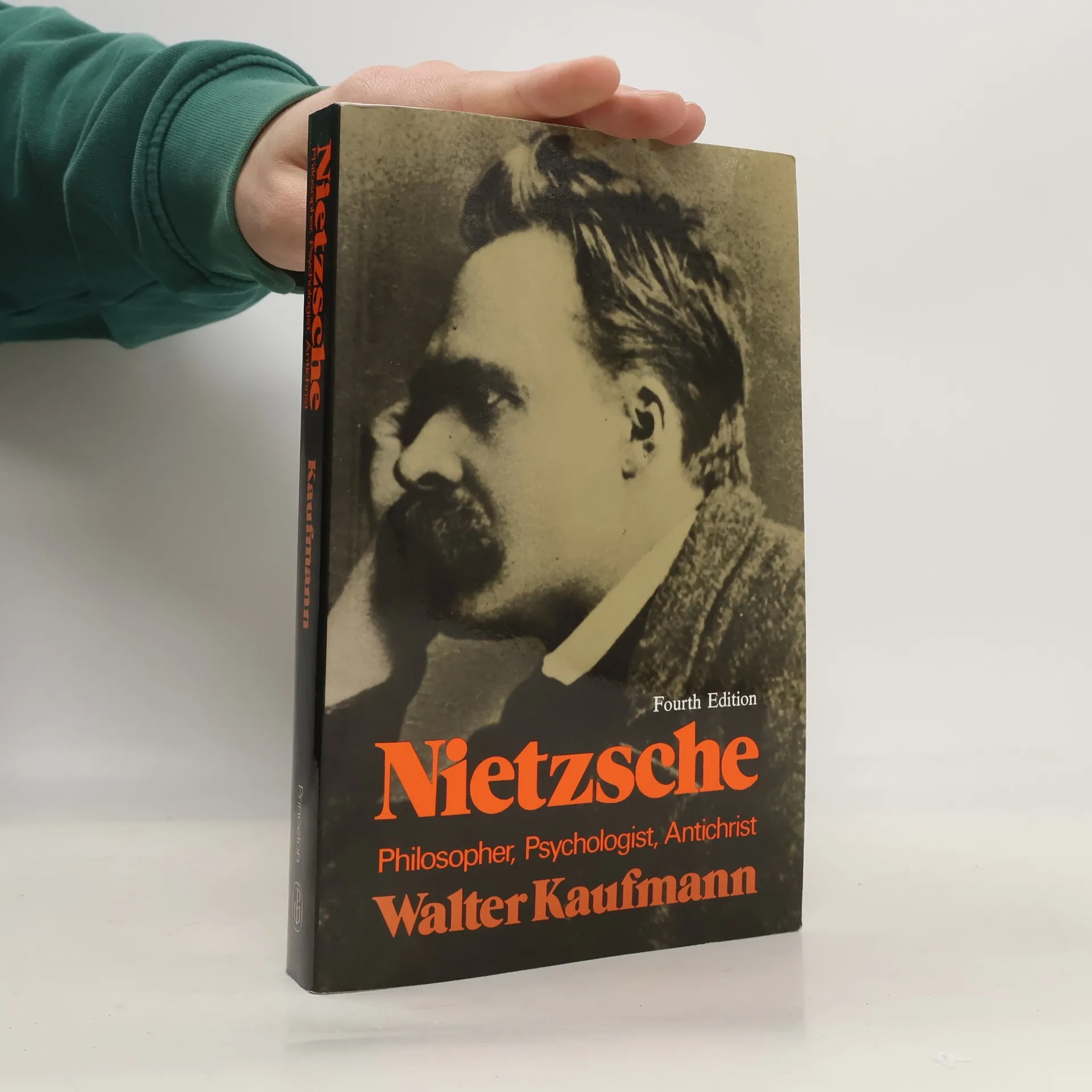
This classic work is the benchmark for modern interpretations of Nietzsche. Written by Walter Kaufmann in the aftermath of World War II, it countered the perception of Nietzsche as part madman and proto-Nazi, instead presenting him as a significant philosopher. Kaufmann provided a balanced account of Nietzsche's life and works, addressing the myths and counter-myths that had emerged around him. He acknowledged the troubling aspects of Nietzsche's proclamations while contextualizing them within his broader philosophical contributions and highlighting counterexamples from a responsible reading of his texts. Kaufmann argued that Nietzsche's ideas about power represent a major achievement in modern philosophy, emphasizing that the "will to power" should not be viewed as mere self-assertion but linked to his concepts of sublimation. He also positioned Nietzsche as a forerunner of modern psychology, suggesting that understanding his philosophy requires recognizing it as a reaction against Christianity. Despite some scholars challenging Kaufmann's interpretations over the past fifty years, this work remains one of the most influential analyses of a major Western thinker.

Achat du livre
Nietzsche, Walter Kaufmann-Bühler
- Langue

- Année de publication
- 1974
- Reliure
- (souple)
Modes de paiement
Il manque plus que ton avis ici.
- Titre
- Nietzsche
- Sous-titre
- Philosopher, Psychologist, Antichrist - Fourth Edition
- Langue
- Anglais
- Auteurs
- Walter Kaufmann-Bühler
- Éditeur
- Princeton University Press
- Publié
- 1974
- Format
- souple
- Pages
- 532
- ISBN10
- 0691019835
- ISBN13
- 9780691019833
- Séries
- Titre original
- Nietzsche
- Évaluation
- 4,25 sur 5
- Description
- This classic work is the benchmark for modern interpretations of Nietzsche. Written by Walter Kaufmann in the aftermath of World War II, it countered the perception of Nietzsche as part madman and proto-Nazi, instead presenting him as a significant philosopher. Kaufmann provided a balanced account of Nietzsche's life and works, addressing the myths and counter-myths that had emerged around him. He acknowledged the troubling aspects of Nietzsche's proclamations while contextualizing them within his broader philosophical contributions and highlighting counterexamples from a responsible reading of his texts. Kaufmann argued that Nietzsche's ideas about power represent a major achievement in modern philosophy, emphasizing that the "will to power" should not be viewed as mere self-assertion but linked to his concepts of sublimation. He also positioned Nietzsche as a forerunner of modern psychology, suggesting that understanding his philosophy requires recognizing it as a reaction against Christianity. Despite some scholars challenging Kaufmann's interpretations over the past fifty years, this work remains one of the most influential analyses of a major Western thinker.