

En savoir plus sur le livre
Anergic reactions and diseases impact various medical fields, affecting not only the skin but also internal organs like the lungs and kidneys, as well as the vascular and nervous systems. An interdisciplinary approach is essential for a comprehensive understanding of allergic reactions, enabling optimal diagnostic and therapeutic care for patients. The prevalence of allergic diseases is rising; studies indicate that 15% of the Swedish population is atopic, while estimates suggest that 10%-15% of adults in Germany suffer from various allergic conditions. Our clinic has also observed an increase in atopic reactions, potentially affecting around 200,000 individuals in Munich alone. Numerous environmental factors trigger allergic reactions across different systems, with significant allergens including pollen, molds, animal dander, house dust mites, food and additives, insects, industrial compounds, and medications. Over the past decade, the direct costs associated with treating asthma, hay fever, and skin allergies have significantly increased, highlighting the urgency of addressing this pressing health and environmental issue.
Achat du livre
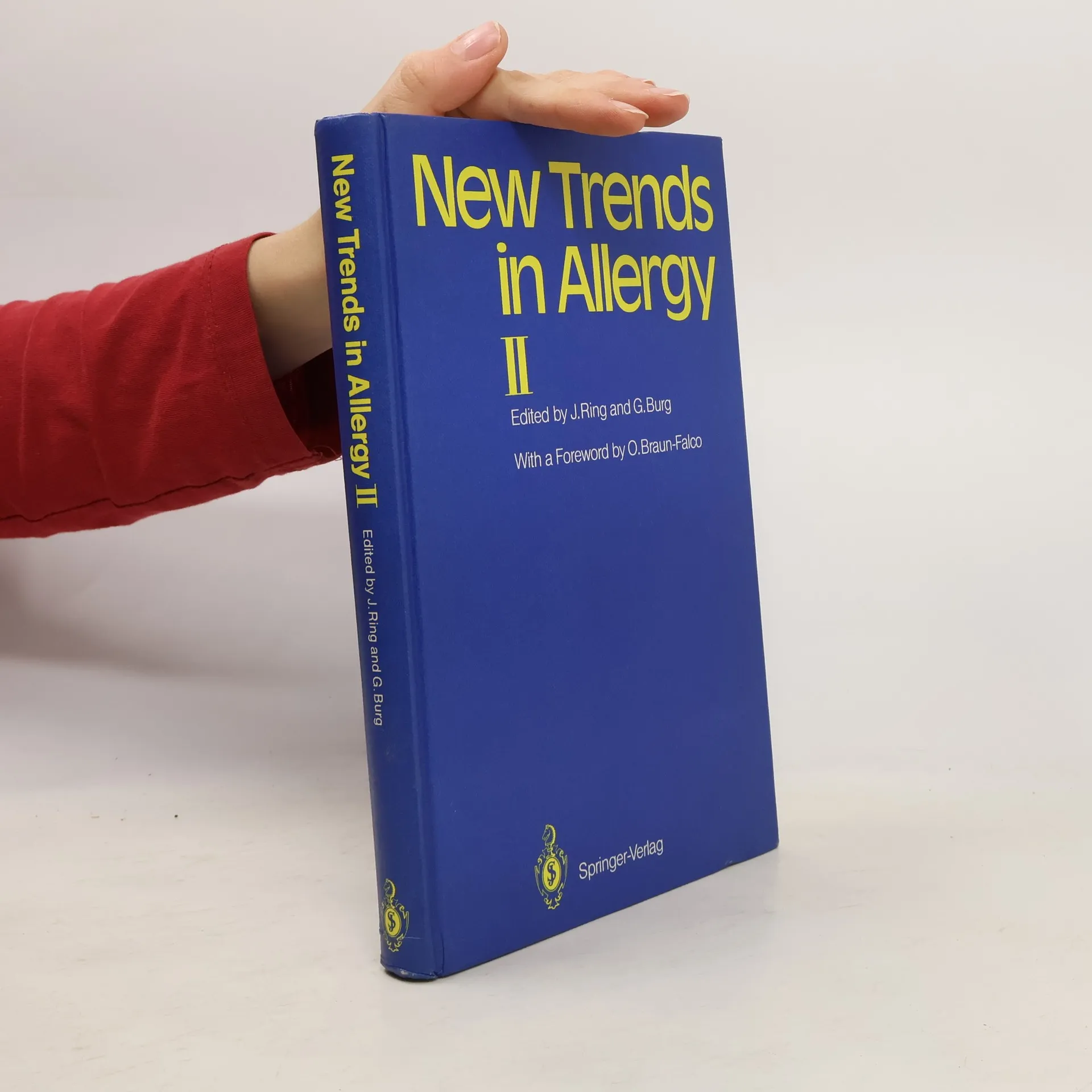
New Trends in Allergy II, Johannes Ring, Günter Burg, O. Braun-Falco
- Langue

- Année de publication
- 1986
- Reliure
- (rigide)
Modes de paiement
Personne n'a encore évalué .
- Titre
- New Trends in Allergy II
- Langue
- Anglais
- Auteurs
- Johannes Ring, Günter Burg, O. Braun-Falco
- Éditeur
- Springer
- Publié
- 1986
- Format
- rigide
- Pages
- 361
- ISBN10
- 038716684X
- ISBN13
- 9780387166841
- Séries
- Mots clés
- Description
- Anergic reactions and diseases impact various medical fields, affecting not only the skin but also internal organs like the lungs and kidneys, as well as the vascular and nervous systems. An interdisciplinary approach is essential for a comprehensive understanding of allergic reactions, enabling optimal diagnostic and therapeutic care for patients. The prevalence of allergic diseases is rising; studies indicate that 15% of the Swedish population is atopic, while estimates suggest that 10%-15% of adults in Germany suffer from various allergic conditions. Our clinic has also observed an increase in atopic reactions, potentially affecting around 200,000 individuals in Munich alone. Numerous environmental factors trigger allergic reactions across different systems, with significant allergens including pollen, molds, animal dander, house dust mites, food and additives, insects, industrial compounds, and medications. Over the past decade, the direct costs associated with treating asthma, hay fever, and skin allergies have significantly increased, highlighting the urgency of addressing this pressing health and environmental issue.