



Évaluation du livre
Paramètres
- 350pages
- 13 heures de lecture
En savoir plus sur le livre
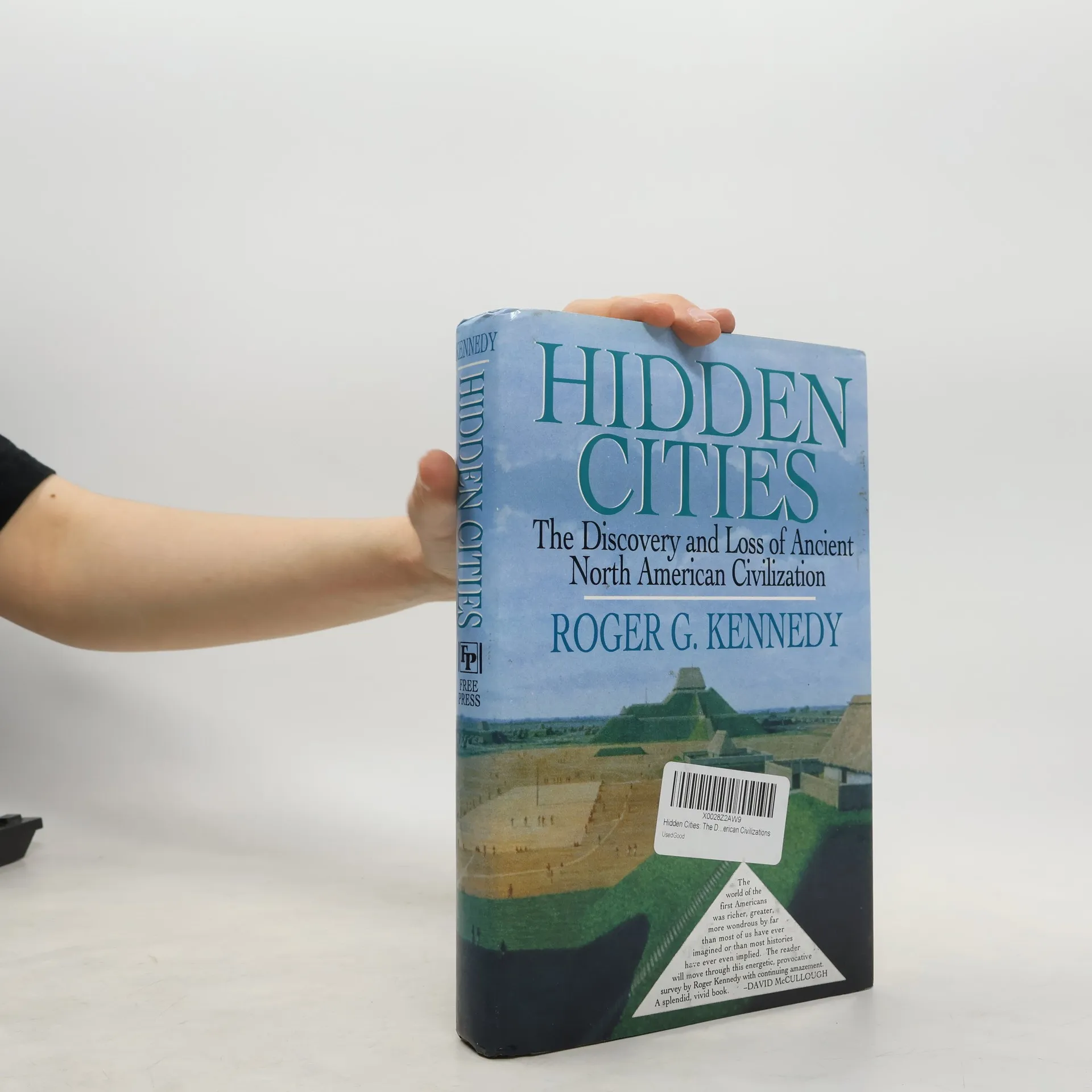
Few realize that some of the oldest and most complex structures of ancient archaeology were built in America, particularly in the Ohio and Mississippi valleys. From 6,000 years ago until relatively recently, North America was home to advanced civilizations with cities, roads, and commerce. Notable examples include the lost city of Balbantsha near New Orleans and the Great Hopewell Road, a thirteenth-century causeway for religious pilgrims along the Ohio River. These cultures constructed hundreds of thousands of structures, many of which remain today. They employed precise geometry akin to the Druids of Salisbury Plain and organized extensive labor to build pyramids, platforms, and plazas like the ancient Egyptians. The author embarks on a quest to recover the rich heritage of North American peoples and reimagine the connections to their modern successors. Despite the significance of this heritage, few Euro-Americans have acknowledged its importance. Drawing on recent archaeological and historical research, the author presents a compelling view of these ancient sites and their impact on early American leaders. Figures like George Rogers Clark, George Washington, Albert Gallatin, and Thomas Jefferson encountered these remnants during their explorations, revealing a profound history that challenges the narrative of Native American contributions to civilization.

Achat du livre
Hidden Cities, Roger G. Kennedy
- Langue

- Année de publication
- 1994
- Reliure
- (rigide)
Modes de paiement
Il manque plus que ton avis ici.
- Titre
- Hidden Cities
- Sous-titre
- The Discovery and Loss of Ancient North American Civilizations
- Langue
- Anglais
- Auteurs
- Roger G. Kennedy
- Éditeur
- Free Press
- Publié
- 1994
- Format
- rigide
- Pages
- 350
- ISBN10
- 0029173078
- ISBN13
- 9780029173077
- Séries
- Mots clés
- Thème historique, Archéologie, Histoire des États-Unis, Indiens
- Évaluation
- 3,3 sur 5
- Description
- Few realize that some of the oldest and most complex structures of ancient archaeology were built in America, particularly in the Ohio and Mississippi valleys. From 6,000 years ago until relatively recently, North America was home to advanced civilizations with cities, roads, and commerce. Notable examples include the lost city of Balbantsha near New Orleans and the Great Hopewell Road, a thirteenth-century causeway for religious pilgrims along the Ohio River. These cultures constructed hundreds of thousands of structures, many of which remain today. They employed precise geometry akin to the Druids of Salisbury Plain and organized extensive labor to build pyramids, platforms, and plazas like the ancient Egyptians. The author embarks on a quest to recover the rich heritage of North American peoples and reimagine the connections to their modern successors. Despite the significance of this heritage, few Euro-Americans have acknowledged its importance. Drawing on recent archaeological and historical research, the author presents a compelling view of these ancient sites and their impact on early American leaders. Figures like George Rogers Clark, George Washington, Albert Gallatin, and Thomas Jefferson encountered these remnants during their explorations, revealing a profound history that challenges the narrative of Native American contributions to civilization.