



Paramètres
- 296pages
- 11 heures de lecture
En savoir plus sur le livre
Millions of people—nearly 3 percent of the global population—now live outside their country of birth. Daily, migrants enter not only the United States but also developed nations with little history of immigration. Some of these countries have rapidly transitioned from being sources of immigrants to destinations for them. International migration has become a key focus in modern labor economics, aiming to explain this significant demographic shift. The text synthesizes theories, models, and econometric methods that identify the causes and effects of international labor flows. Economist George Borjas presents a comprehensive examination of various topics, including migrant worker selection and assimilation, the impact of immigration on labor markets and wages, and the economic benefits and drawbacks of immigration. Two central themes arise: first, immigration has distributional effects, benefiting some while disadvantaging others; second, immigrants act as rational economic agents seeking to optimize their resources, a behavior mirrored by native workers in receiving countries. Borjas argues that this straightforward behavioral insight is crucial for economists and policymakers as they navigate contemporary immigration debates.
Achat du livre
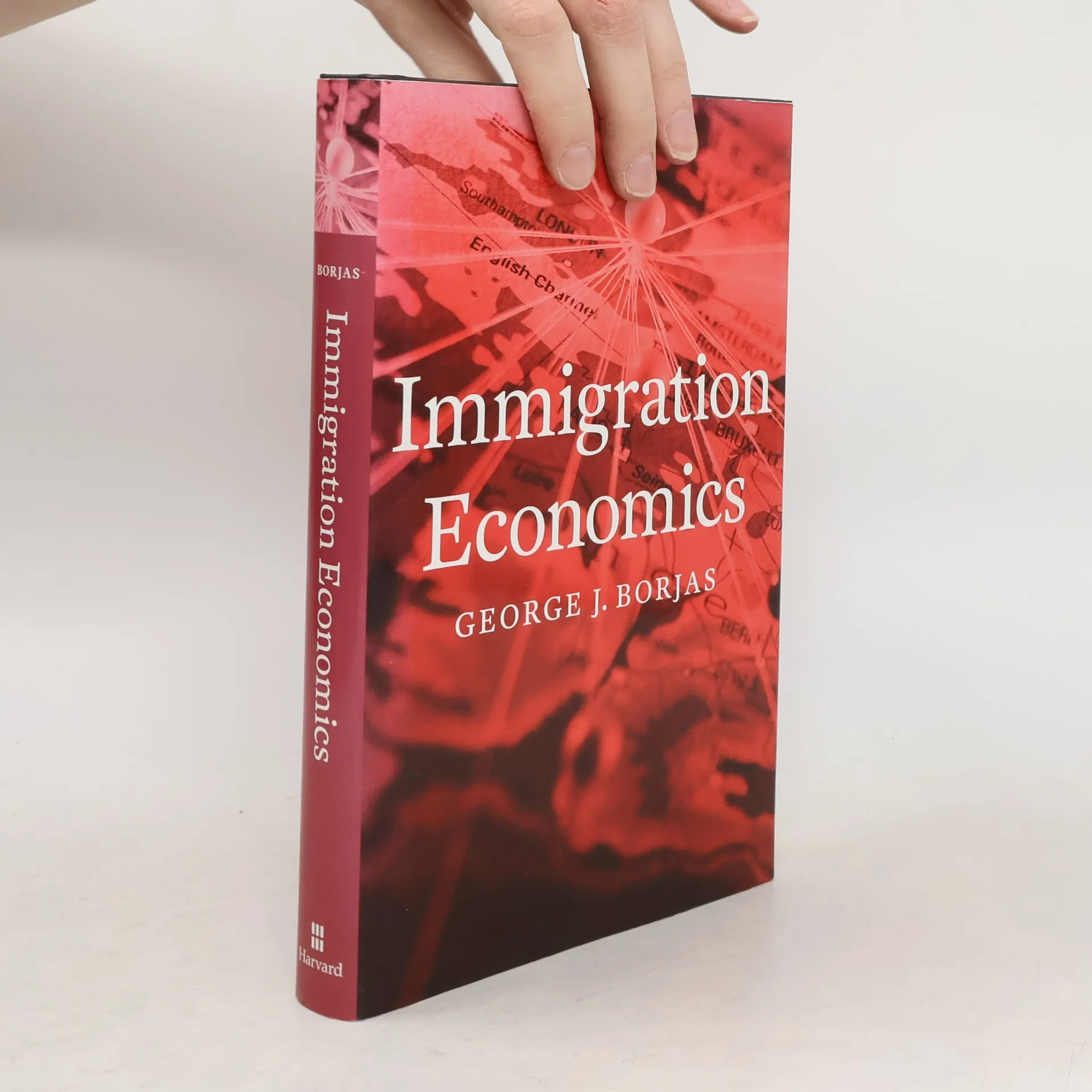
Immigration Economics, George J. Borjas
- Langue

- Année de publication
- 2014
- Reliure
- (rigide)
Modes de paiement
Il manque plus que ton avis ici.
- Titre
- Immigration Economics
- Langue
- Anglais
- Auteurs
- George J. Borjas
- Éditeur
- Harvard University Press
- Publié
- 2014
- Format
- rigide
- Pages
- 296
- ISBN10
- 0674049772
- ISBN13
- 9780674049772
- Séries
- Catégories
- Mots clés
- Commerce, Politique, États-Unis, Théories politiques
- Évaluation
- 3,65 sur 5
- Description
- Millions of people—nearly 3 percent of the global population—now live outside their country of birth. Daily, migrants enter not only the United States but also developed nations with little history of immigration. Some of these countries have rapidly transitioned from being sources of immigrants to destinations for them. International migration has become a key focus in modern labor economics, aiming to explain this significant demographic shift. The text synthesizes theories, models, and econometric methods that identify the causes and effects of international labor flows. Economist George Borjas presents a comprehensive examination of various topics, including migrant worker selection and assimilation, the impact of immigration on labor markets and wages, and the economic benefits and drawbacks of immigration. Two central themes arise: first, immigration has distributional effects, benefiting some while disadvantaging others; second, immigrants act as rational economic agents seeking to optimize their resources, a behavior mirrored by native workers in receiving countries. Borjas argues that this straightforward behavioral insight is crucial for economists and policymakers as they navigate contemporary immigration debates.