



Paramètres
- 301pages
- 11 heures de lecture
En savoir plus sur le livre
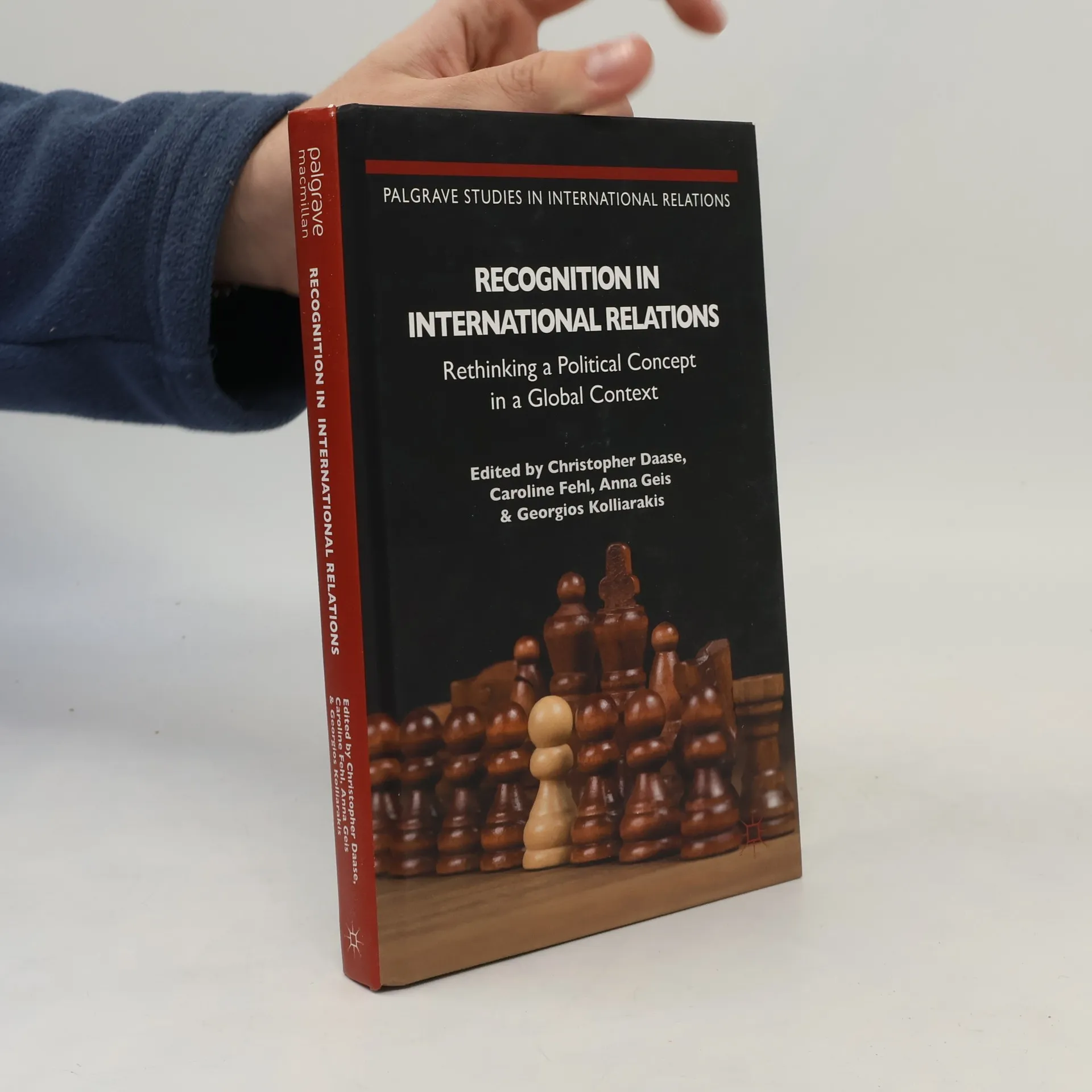
Recognition is a basic human need. A prominent debate in Political Philosophy and Theory has highlighted the significance of this concept in daily life and in politics. Both individual and collective actors can experience misrecognition or non-recognition by significant other actors, which is often framed in terms of injustice and drives many social conflicts. However, recognition is not a panacea to all societal ills, and its multi-faceted effects in the international realm have, so far, been under-acknowledged. In assembling contributions from International Relations, Political Theory and International Law, this volume advances interdisciplinary theoretical engagements and builds on empirical investigations into the struggles for recognition among global political subjects. Focusing on established states, unrecognised states and non-state actors, the contributors share the assumption that recognition is to be conceived of as a gradual process and that it is an ambiguous concept both in theory and political practice.
Achat du livre
Palgrave Studies in International Relations: Recognition in International Relations, Christopher Daase, Caroline Fehl, Anna Geis, Georgios Kolliarakis
- Langue

- Année de publication
- 2015
- Reliure
- (rigide)
Modes de paiement
Personne n'a encore évalué .
- Titre
- Palgrave Studies in International Relations: Recognition in International Relations
- Sous-titre
- Rethinking a Political Concept in a Global Context
- Langue
- Anglais
- Éditeur
- Palgrave Macmillan
- Publié
- 2015
- Format
- rigide
- Pages
- 301
- ISBN10
- 1137464712
- ISBN13
- 9781137464712
- Séries
- Mots clés
- Thématique juridique, Théories politiques, Violence, Théories scientifiques, Relations internationales, Paix, Gouvernance, Conflits
- Description
- Recognition is a basic human need. A prominent debate in Political Philosophy and Theory has highlighted the significance of this concept in daily life and in politics. Both individual and collective actors can experience misrecognition or non-recognition by significant other actors, which is often framed in terms of injustice and drives many social conflicts. However, recognition is not a panacea to all societal ills, and its multi-faceted effects in the international realm have, so far, been under-acknowledged. In assembling contributions from International Relations, Political Theory and International Law, this volume advances interdisciplinary theoretical engagements and builds on empirical investigations into the struggles for recognition among global political subjects. Focusing on established states, unrecognised states and non-state actors, the contributors share the assumption that recognition is to be conceived of as a gradual process and that it is an ambiguous concept both in theory and political practice.