

En savoir plus sur le livre
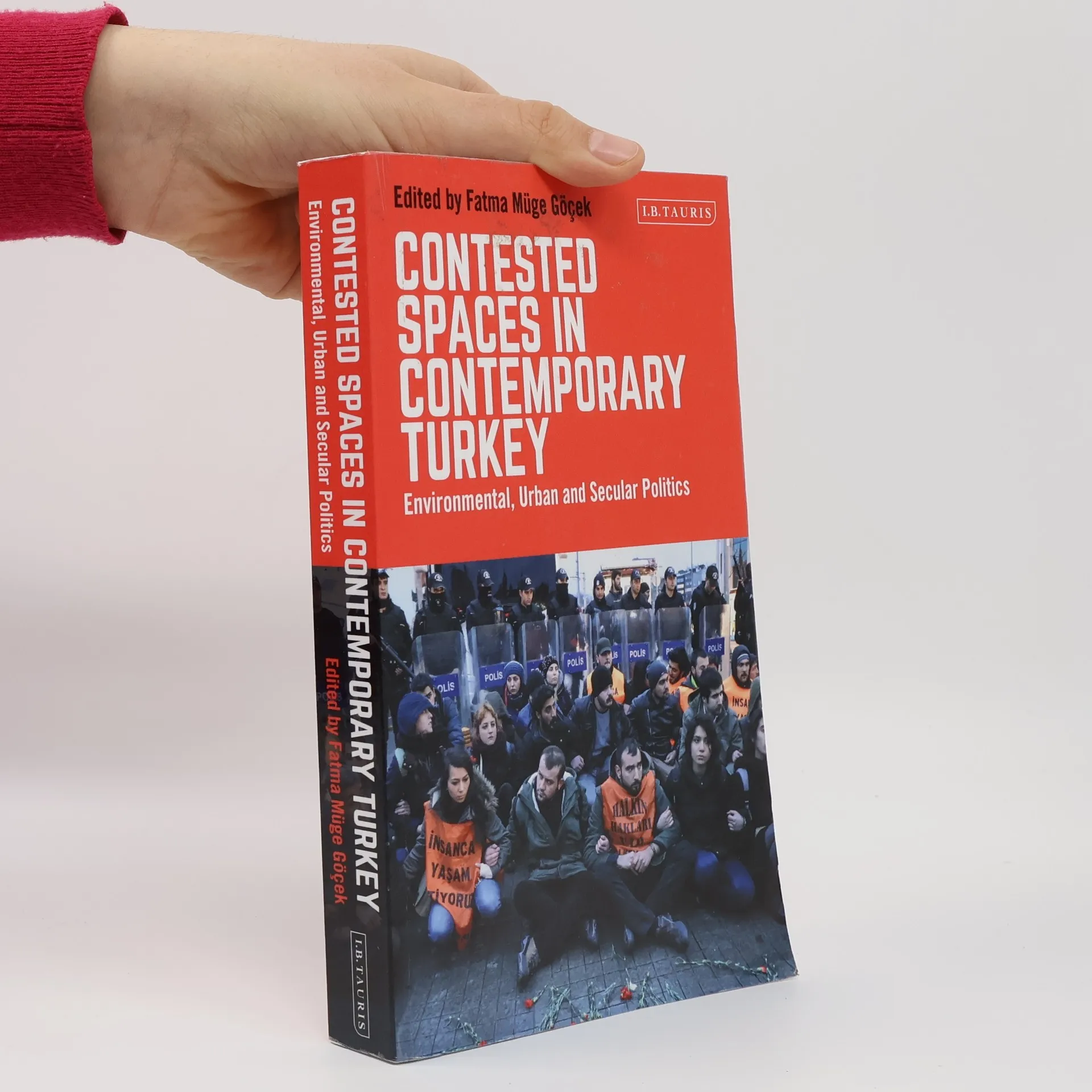
The diffusion of neoliberalism post-Cold War has been a significant political development worldwide. However, beneath the facade of abundance, the 'rule of the market' often leads to violence and destruction, exploiting the environment and disregarding cultural conservation and individual rights. This work examines the emergence and consequences of neoliberalism in Turkey, focusing on contested spaces where this economic system is challenged. Contributors extend their analysis beyond Istanbul and Ankara to include regions and groups adversely affected, such as Kurds, women, and migrants. The chapters explore the complexities of neoliberalism in Turkey, highlighting how the market's power, state agendas, and historical context shape current economic practices and policies. This examination sheds light on the societal processes reshaping modern Turkey, particularly relevant in light of Erdogan's Islam-based state model and the aftermath of the July 2016 military coup attempt. This research is at the forefront of urban history and social space studies, serving as a vital resource for scholars in Turkish and Kurdish Studies.
Achat du livre
Contested Spaces in Contemporary Turkey, Fatma Müge Göçek
- Langue

- Année de publication
- 2019
- Reliure
- (souple)
Modes de paiement
Personne n'a encore évalué .
- Titre
- Contested Spaces in Contemporary Turkey
- Sous-titre
- Environmental, Urban and Secular Politics
- Langue
- Anglais
- Auteurs
- Fatma Müge Göçek
- Éditeur
- I.B. Tauris
- Publié
- 2019
- Format
- souple
- Pages
- 448
- ISBN10
- 1838600167
- ISBN13
- 9781838600167
- Séries
- Mots clés
- Thèmes religieux, Politique, Europe, Littérature spécialisée, Société, Maltraitance et abus, Turquie, Sciences humaines, Communes
- Description
- The diffusion of neoliberalism post-Cold War has been a significant political development worldwide. However, beneath the facade of abundance, the 'rule of the market' often leads to violence and destruction, exploiting the environment and disregarding cultural conservation and individual rights. This work examines the emergence and consequences of neoliberalism in Turkey, focusing on contested spaces where this economic system is challenged. Contributors extend their analysis beyond Istanbul and Ankara to include regions and groups adversely affected, such as Kurds, women, and migrants. The chapters explore the complexities of neoliberalism in Turkey, highlighting how the market's power, state agendas, and historical context shape current economic practices and policies. This examination sheds light on the societal processes reshaping modern Turkey, particularly relevant in light of Erdogan's Islam-based state model and the aftermath of the July 2016 military coup attempt. This research is at the forefront of urban history and social space studies, serving as a vital resource for scholars in Turkish and Kurdish Studies.