


Paramètres
- 487pages
- 18 heures de lecture
En savoir plus sur le livre
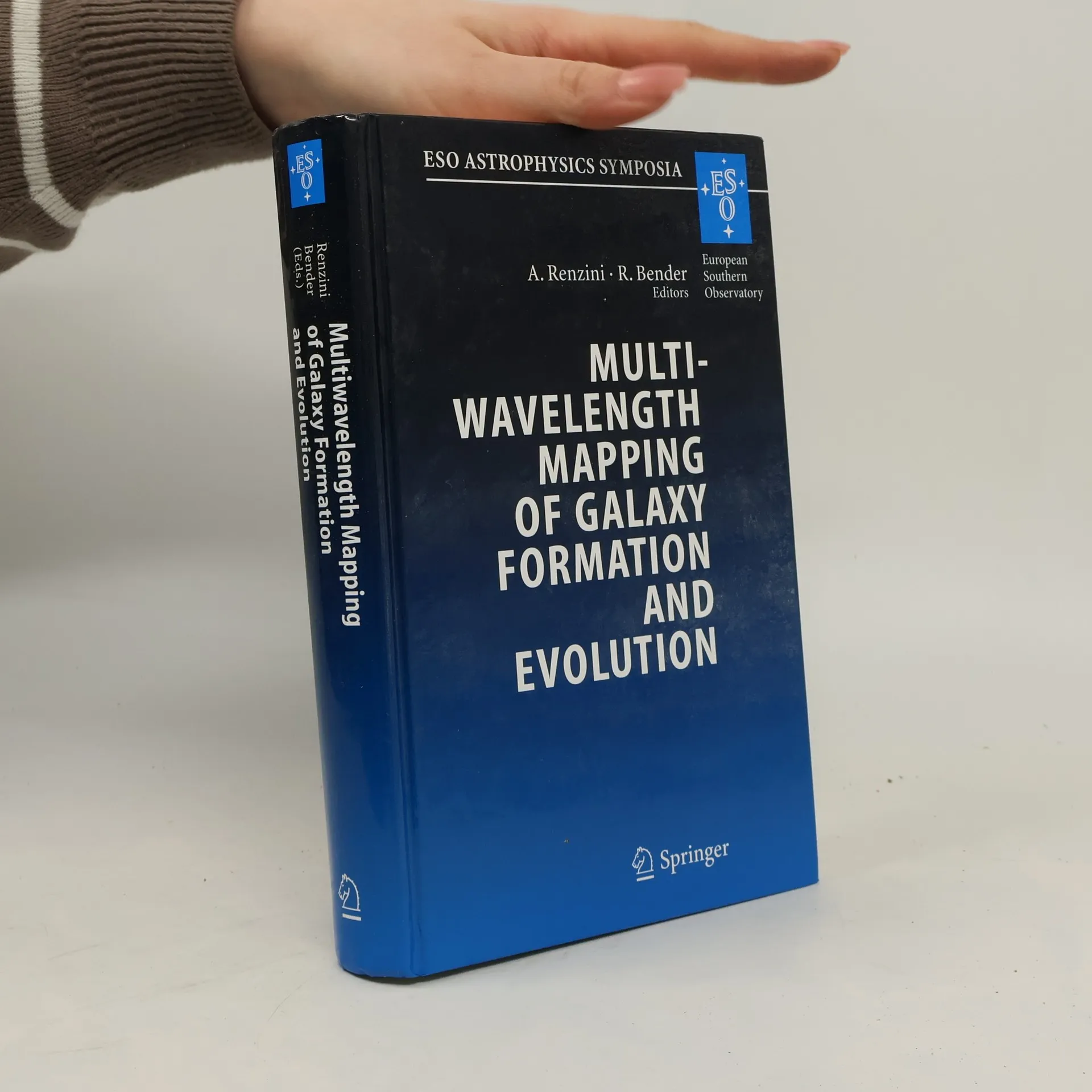
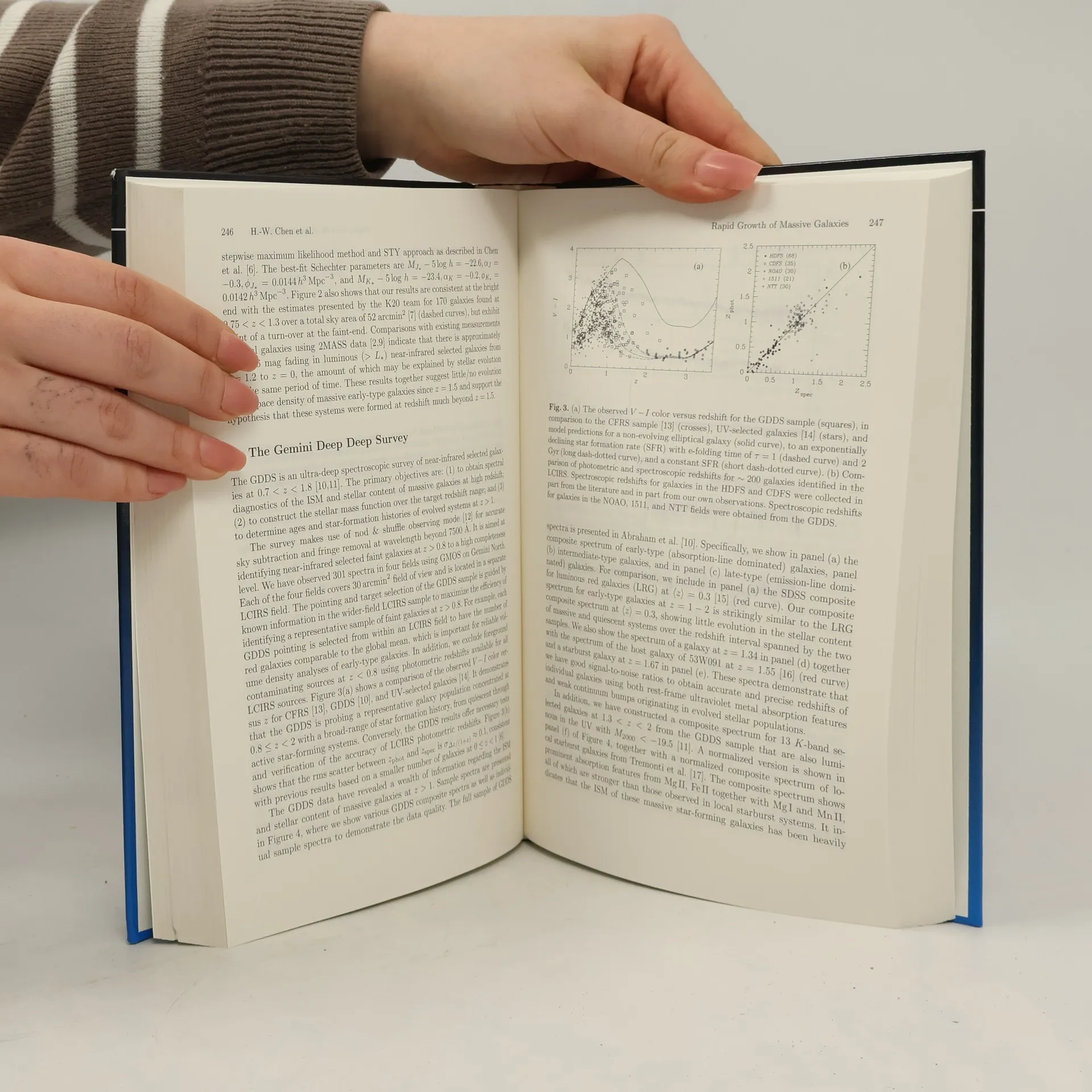
The possibilities of astronomical observation have dramatically increased over the last decade. Major satellites, like the Hubble Space Telescope, Chandra and XMM Newton, are complemented by numerous large ground-based observatories, from 8m-10m optical telescopes to sub-mm and radio facilities. As a result, observational astronomy has access to virtually the whole electromagnetic spectrum of galaxies, even at high redshifts. Theoretical models of galaxy formation and cosmological evolution now face a serious challenge to match the plethora of observational data. In October 2003, over 170 astronomers from 15 countries met for a 4-day workshop to extensively illustrate and discuss all major observational projects and ongoing theoretical efforts to model galaxy formation and evolution. This volume contains the complete proceedings of this meeting and is therefore a unique and timely overview of the current state of research in this rapidly evolving field.
Achat du livre
ESO Astrophysics Symposia: Multiwavelength Mapping of Galaxy Formation and Evolution, Alvio Renzini, Ralf Bender
- Langue

- Année de publication
- 2005
- Reliure
- (rigide)
Modes de paiement
Personne n'a encore évalué .
- Titre
- ESO Astrophysics Symposia: Multiwavelength Mapping of Galaxy Formation and Evolution
- Sous-titre
- Proceedings of the ESO Workshop Held at Venice, Italy, 13-16 October 2003
- Langue
- Anglais
- Auteurs
- Alvio Renzini, Ralf Bender
- Éditeur
- Springer
- Publié
- 2005
- Format
- rigide
- Pages
- 487
- ISBN10
- 3540256652
- ISBN13
- 9783540256656
- Séries
- Mots clés
- Sciences naturelles, Manuels universitaires, Science, Espace, Littérature spécialisée, Manuels de physique, Évolution, Cosmologie, Cartographie, Physique théorique, Astrophysique, Galaxies, Observatoires
- Description
- The possibilities of astronomical observation have dramatically increased over the last decade. Major satellites, like the Hubble Space Telescope, Chandra and XMM Newton, are complemented by numerous large ground-based observatories, from 8m-10m optical telescopes to sub-mm and radio facilities. As a result, observational astronomy has access to virtually the whole electromagnetic spectrum of galaxies, even at high redshifts. Theoretical models of galaxy formation and cosmological evolution now face a serious challenge to match the plethora of observational data. In October 2003, over 170 astronomers from 15 countries met for a 4-day workshop to extensively illustrate and discuss all major observational projects and ongoing theoretical efforts to model galaxy formation and evolution. This volume contains the complete proceedings of this meeting and is therefore a unique and timely overview of the current state of research in this rapidly evolving field.