

Van Dyck in Sicily 1624–1625: Painting and the Plague
Paramètres
En savoir plus sur le livre
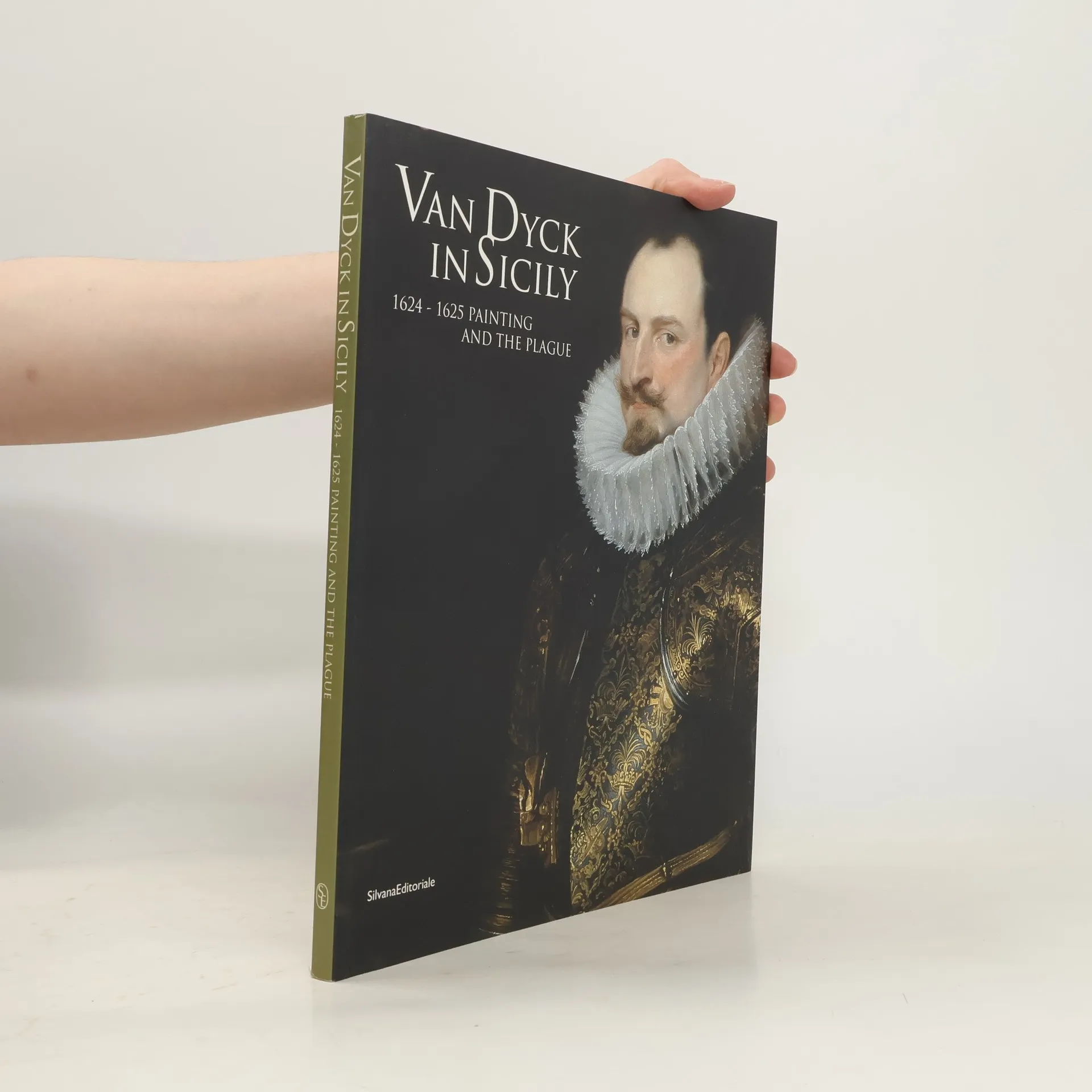
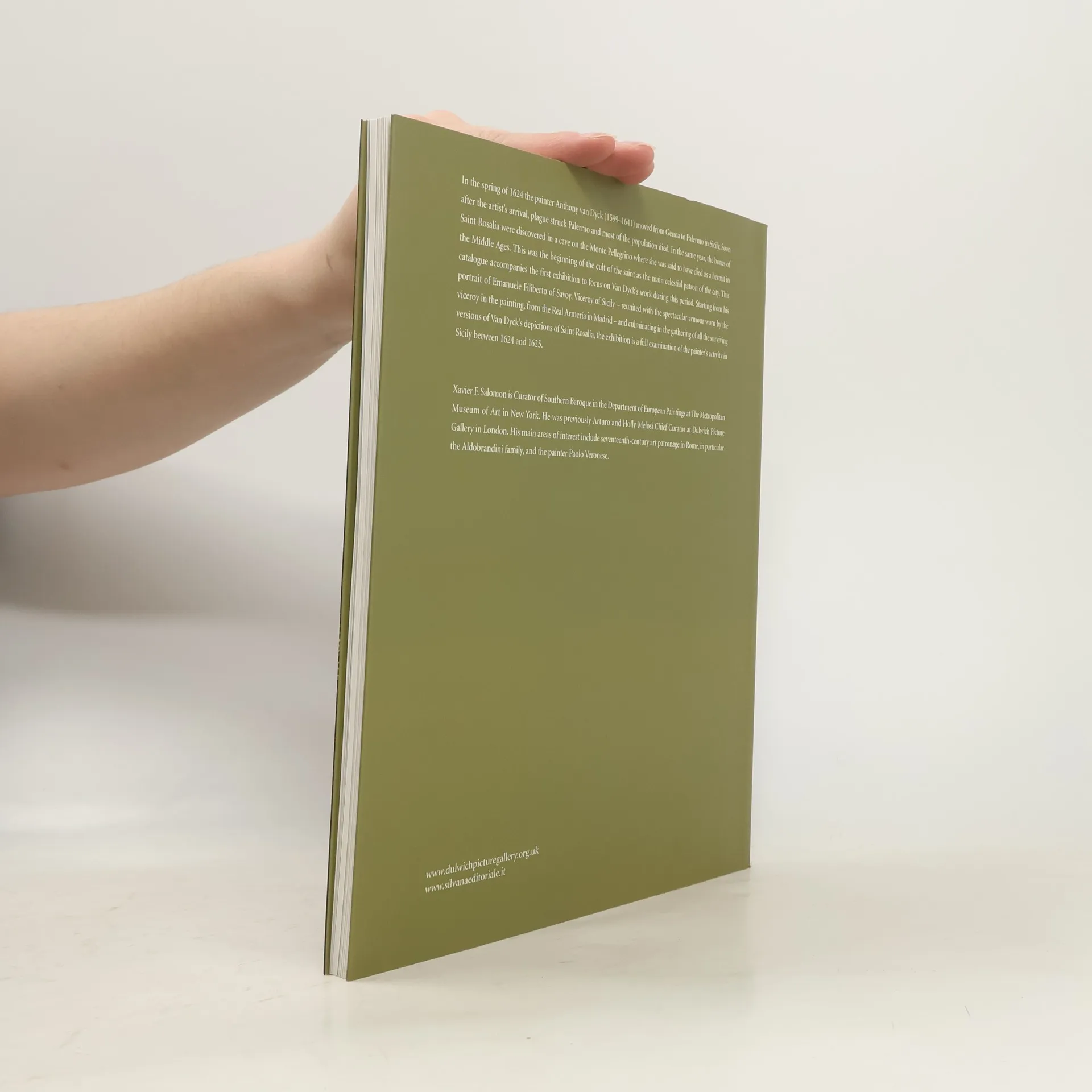
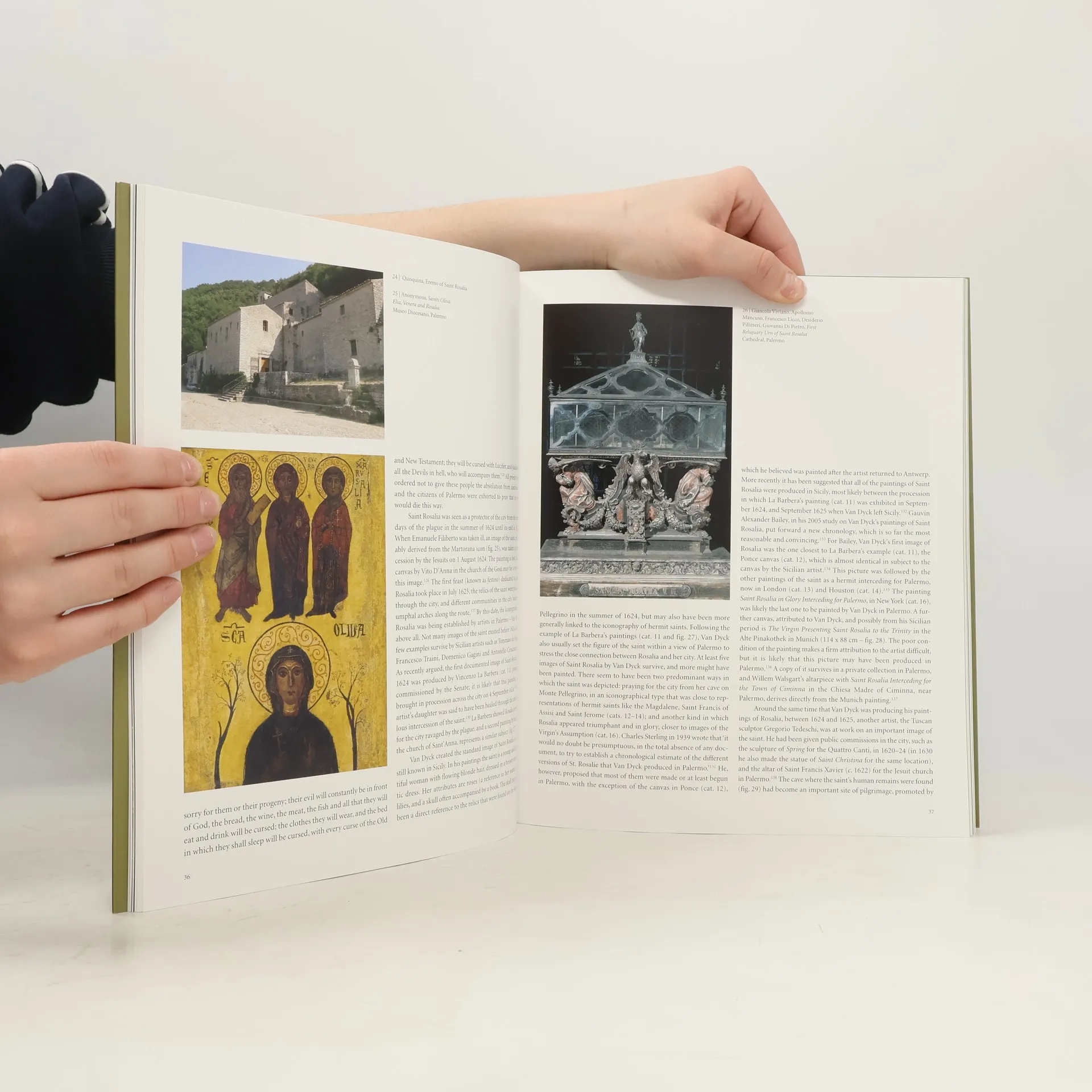
In the spring of 1624 the painter Anthony Van Dyck (1599 -1641) moved from Genoa to Palermo in Sicily. Soon after Van Dyck's arrival, plague struck Palermo and most of the population died. In the same year, the bones of Saint Rosalia were discovered in a cave on the Monte Pellegrino where she was said to have died as a hermit in the Middle Ages. This will be the first exhibition to focus on Van Dyck's work during this period. The exhibition takes Dulwich's own Portrait of Emanuele Filiberto as a starting point and expands into an examination of Van Dyck's activity in that year. It will also be the first time in the UK that Van Dyck's portrait of the Viceroy of Sicily from Dulwich's own collection will be seen next to the spectacular suit of armour worn by the viceroy in the portrait - still surviving in the Royal Armouries of Madrid--Provided by publisher
Achat du livre
Van Dyck in Sicily 1624–1625: Painting and the Plague, Xavier F Salomon, Anthony van Dyck
- Langue

- Année de publication
- 2012
- Reliure
- (flexible)
Modes de paiement
Personne n'a encore évalué .
- Titre
- Van Dyck in Sicily 1624–1625: Painting and the Plague
- Langue
- Anglais
- Auteurs
- Xavier F Salomon, Anthony van Dyck
- Éditeur
- Silvana Editoriale
- Publié
- 2012
- Format
- flexible
- Séries
- Mots clés
- Thème historique
- Description
- In the spring of 1624 the painter Anthony Van Dyck (1599 -1641) moved from Genoa to Palermo in Sicily. Soon after Van Dyck's arrival, plague struck Palermo and most of the population died. In the same year, the bones of Saint Rosalia were discovered in a cave on the Monte Pellegrino where she was said to have died as a hermit in the Middle Ages. This will be the first exhibition to focus on Van Dyck's work during this period. The exhibition takes Dulwich's own Portrait of Emanuele Filiberto as a starting point and expands into an examination of Van Dyck's activity in that year. It will also be the first time in the UK that Van Dyck's portrait of the Viceroy of Sicily from Dulwich's own collection will be seen next to the spectacular suit of armour worn by the viceroy in the portrait - still surviving in the Royal Armouries of Madrid--Provided by publisher