


En savoir plus sur le livre
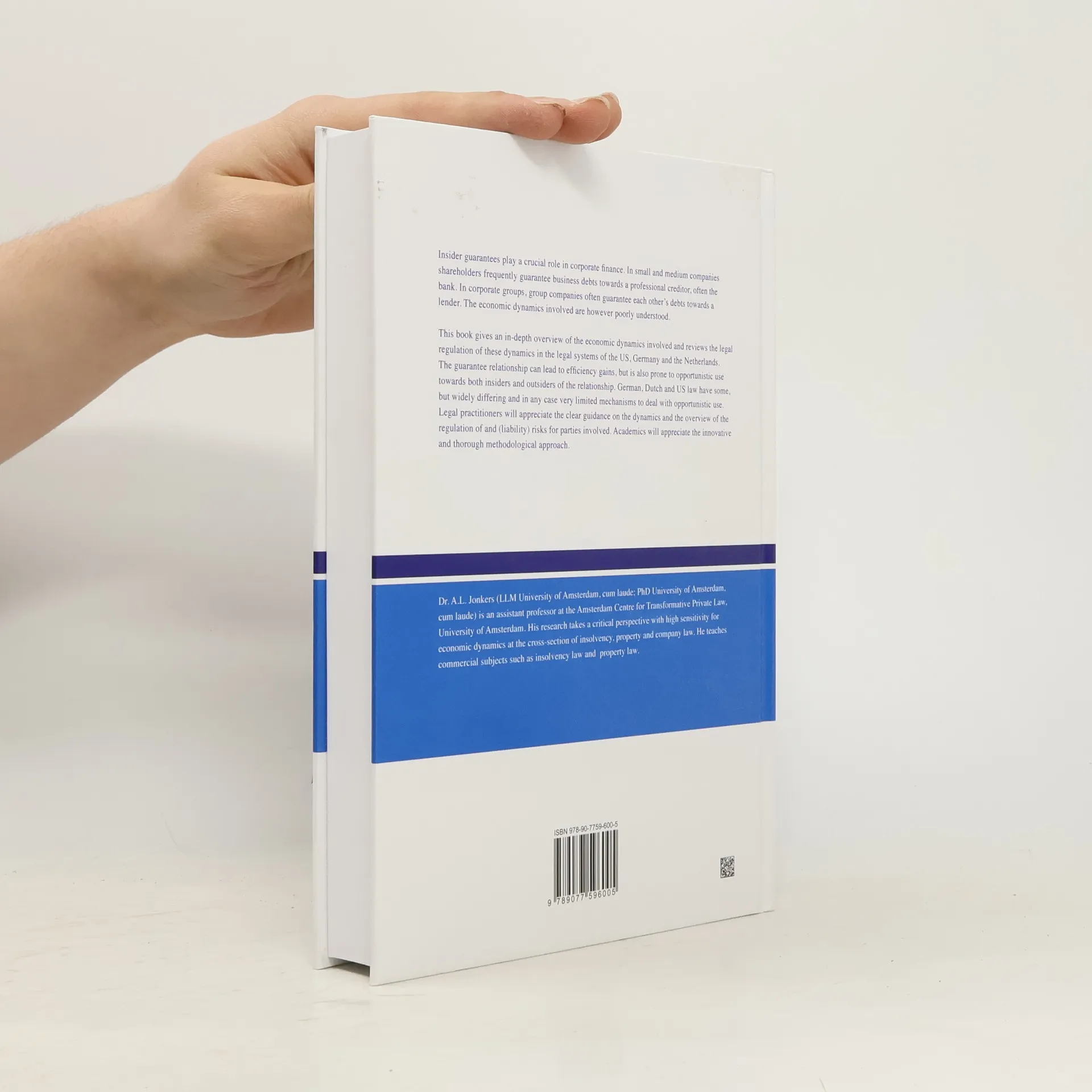
Insider guarantees play a crucial role in corporate finance. In small and medium companies shareholders frequently guarantee business debts towards a professional creditor, often the bank. In corporate groups, group companies often guarantee each other's debts towards a lender. The economic dynamics involved are however poorly understood. This book gives an in-depth overview of the economic dynamics involved and reviews the legal regulation of these dynamics in the legal systems of the US, Germany and the Netherlands. The guarantee relationship can lead to efficiency gains, but is also prone to opportunistic use towards both insiders and outsiders of the relationship. German, Dutch and US law have some, but widely differing and in any case very limited mechanisms to deal with opportunistic use. Legal practitioners will appreciate the clear guidance on the dynamics and the overview of the regulation of and (liability) risks for parties involved. Academics will appreciate the innovative and thorough methodological approach.
Achat du livre
European and International Insolvency Law Studies - 5: Insider Guarantees in Corporate Finance, Aart Jonkers
- Langue

- Année de publication
- 2020
- Reliure
- (rigide)
Modes de paiement
Personne n'a encore évalué .
- Titre
- European and International Insolvency Law Studies - 5: Insider Guarantees in Corporate Finance
- Langue
- Anglais
- Auteurs
- Aart Jonkers
- Publié
- 2020
- Format
- rigide
- Pages
- 388
- ISBN10
- 9077596003
- ISBN13
- 9789077596005
- Séries
- Catégories
- Mots clés
- Commerce, Thématique juridique
- Description
- Insider guarantees play a crucial role in corporate finance. In small and medium companies shareholders frequently guarantee business debts towards a professional creditor, often the bank. In corporate groups, group companies often guarantee each other's debts towards a lender. The economic dynamics involved are however poorly understood. This book gives an in-depth overview of the economic dynamics involved and reviews the legal regulation of these dynamics in the legal systems of the US, Germany and the Netherlands. The guarantee relationship can lead to efficiency gains, but is also prone to opportunistic use towards both insiders and outsiders of the relationship. German, Dutch and US law have some, but widely differing and in any case very limited mechanisms to deal with opportunistic use. Legal practitioners will appreciate the clear guidance on the dynamics and the overview of the regulation of and (liability) risks for parties involved. Academics will appreciate the innovative and thorough methodological approach.