

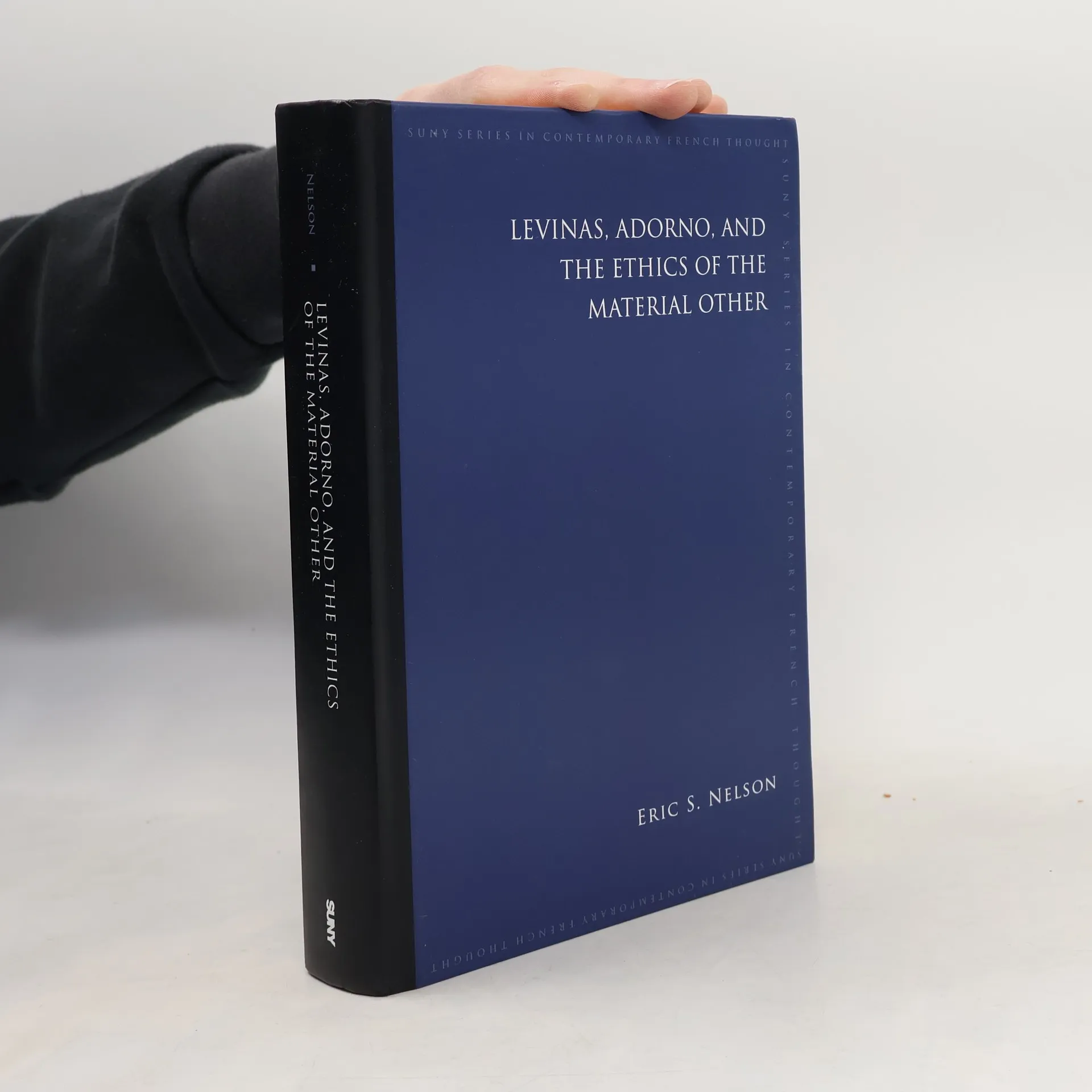


SUNY Series in Contemporary French Thought: Levinas, Adorno, and the Ethics of the Material Other
Auteurs
Évaluation du livre
En savoir plus sur le livre
This book sets up a dialogue between Emmanuel Levinas and Theodor W. Adorno, using their thought to address contemporary environmental and social-political situations. Eric S. Nelson explores the "non-identity thinking" of Adorno and the "ethics of the Other" of Levinas with regard to three areas of concern: the ethical position of nature and "inhuman" material others such as environments and animals; the bonds and tensions between ethics and religion and the formation of the self through the dynamic of violence and liberation expressed in religious discourses; and the problematic uses and limitations of liberal and republican discourses of equality, liberty, tolerance, and their presupposition of the private individual self and autonomous subject. Thinking with and beyond Levinas and Adorno, this work examines the possibility of an anarchic hospitality and solidarity between material others and sensuous embodied life.
Achat du livre
SUNY Series in Contemporary French Thought: Levinas, Adorno, and the Ethics of the Material Other, Eric Sean Nelson
- Langue

- Année de publication
- 2020
- Reliure
- (rigide)
Modes de paiement
Il manque plus que ton avis ici.
- Titre
- SUNY Series in Contemporary French Thought: Levinas, Adorno, and the Ethics of the Material Other
- Langue
- Anglais
- Auteurs
- Eric Sean Nelson
- Publié
- 2020
- Format
- rigide
- Pages
- 480
- ISBN10
- 1438480237
- ISBN13
- 9781438480237
- Séries
- Catégories
- Évaluation
- 5 sur 5
- Description
- This book sets up a dialogue between Emmanuel Levinas and Theodor W. Adorno, using their thought to address contemporary environmental and social-political situations. Eric S. Nelson explores the "non-identity thinking" of Adorno and the "ethics of the Other" of Levinas with regard to three areas of concern: the ethical position of nature and "inhuman" material others such as environments and animals; the bonds and tensions between ethics and religion and the formation of the self through the dynamic of violence and liberation expressed in religious discourses; and the problematic uses and limitations of liberal and republican discourses of equality, liberty, tolerance, and their presupposition of the private individual self and autonomous subject. Thinking with and beyond Levinas and Adorno, this work examines the possibility of an anarchic hospitality and solidarity between material others and sensuous embodied life.