

En savoir plus sur le livre
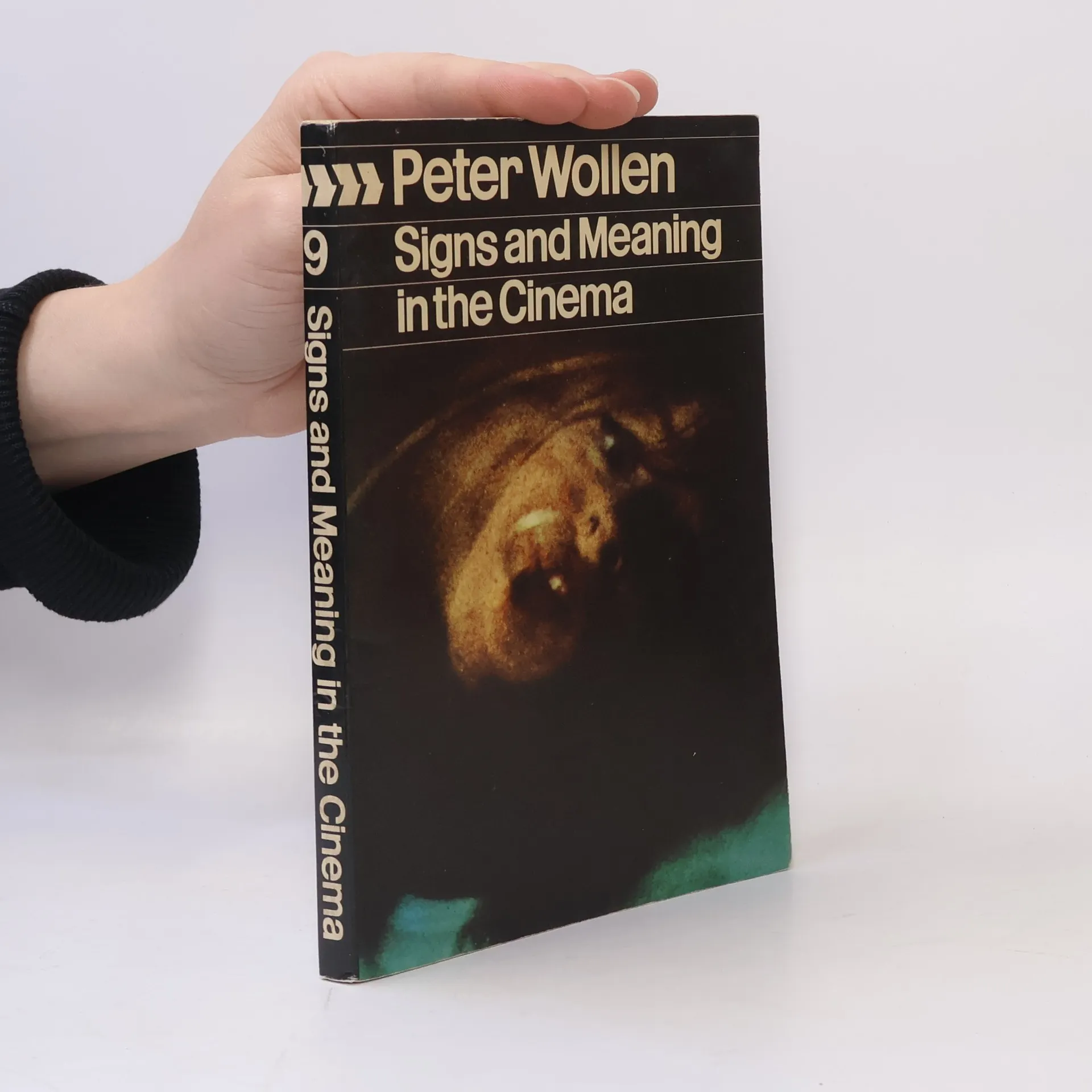
First published in 1969, *Signs and Meaning in the Cinema* transformed the emerging discipline of film studies. Remarkably eclectic and informed, Peter Wollen's highly influential and groundbreaking work remains a brilliant and accessible theorization of film as an art form and as a sign system. The book is divided into three main sections. The first explores the work of Sergei Eisenstein as filmmaker, designer, and aesthetician. The second, which contains a celebrated comparison of the films of John Ford and Howard Hawks, is an exposition and defense of the auteur theory. The third formulates a semiology of the cinema, invoking cinema as an exemplary test case for comparative aesthetics and general theories of signification. Wollen's conclusion argues for an avant-garde cinema, bringing post-structuralist ideas into his discussion of Godard and other contemporaries.


Achat du livre
Signs and Meaning in the Cinema, Peter Wollen
- Langue

- Année de publication
- 1970
- product-detail.submit-box.info.binding
- (souple)
Modes de paiement
Personne n'a encore évalué .
- Langue
- Anglais
- Auteurs
- Peter Wollen
- Publié
- 1970
- Format
- souple
- Pages
- 168
- ISBN10
- 0500480028
- ISBN13
- 9780500480021
- Séries
- Mots clés
- Nonfiction, Art / Culture, Cinéma, Cinémas, Sémiotique, Science du film, Théorie du cinéma
- Description
- First published in 1969, *Signs and Meaning in the Cinema* transformed the emerging discipline of film studies. Remarkably eclectic and informed, Peter Wollen's highly influential and groundbreaking work remains a brilliant and accessible theorization of film as an art form and as a sign system. The book is divided into three main sections. The first explores the work of Sergei Eisenstein as filmmaker, designer, and aesthetician. The second, which contains a celebrated comparison of the films of John Ford and Howard Hawks, is an exposition and defense of the auteur theory. The third formulates a semiology of the cinema, invoking cinema as an exemplary test case for comparative aesthetics and general theories of signification. Wollen's conclusion argues for an avant-garde cinema, bringing post-structuralist ideas into his discussion of Godard and other contemporaries.