


Paramètres
- 336pages
- 12 heures de lecture
En savoir plus sur le livre
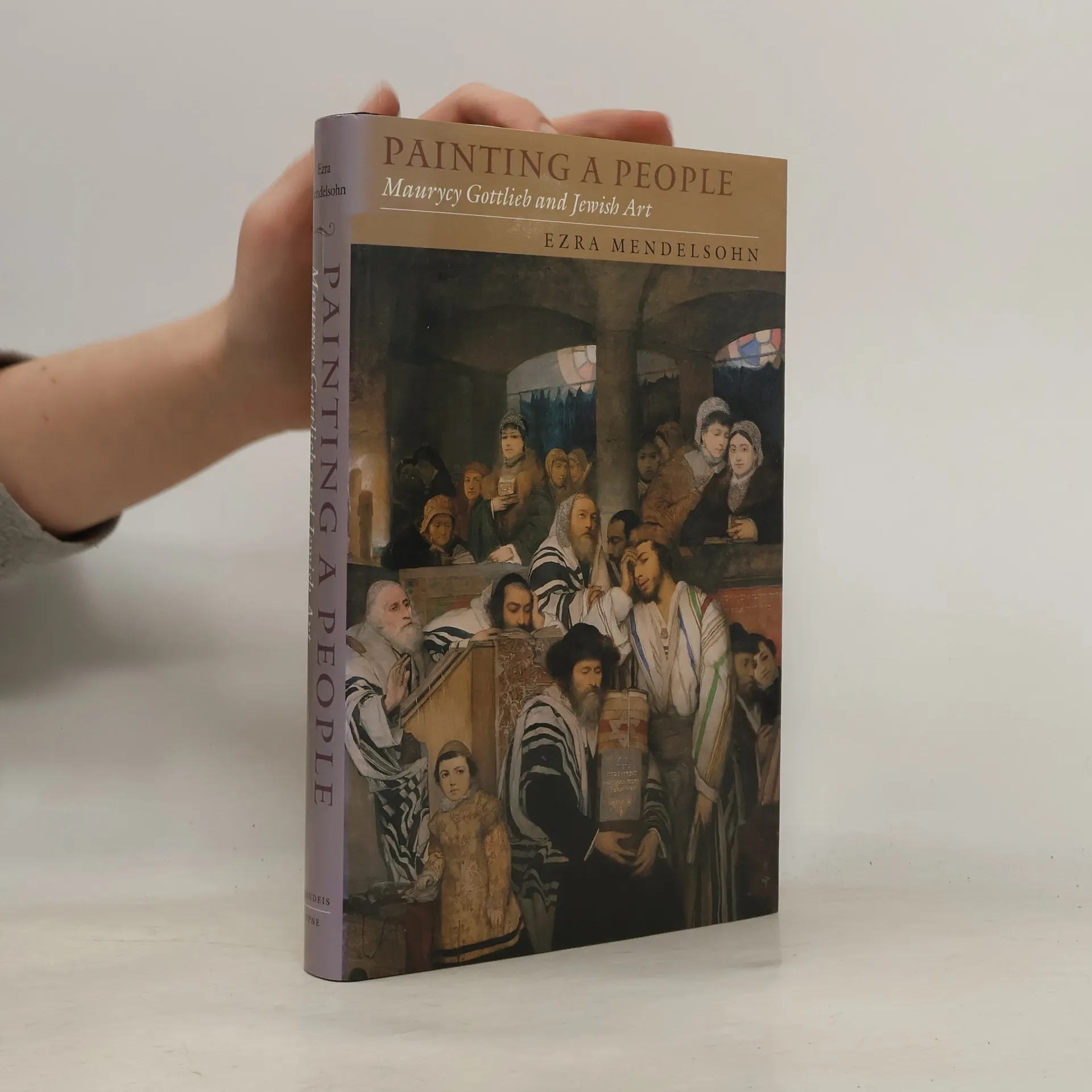
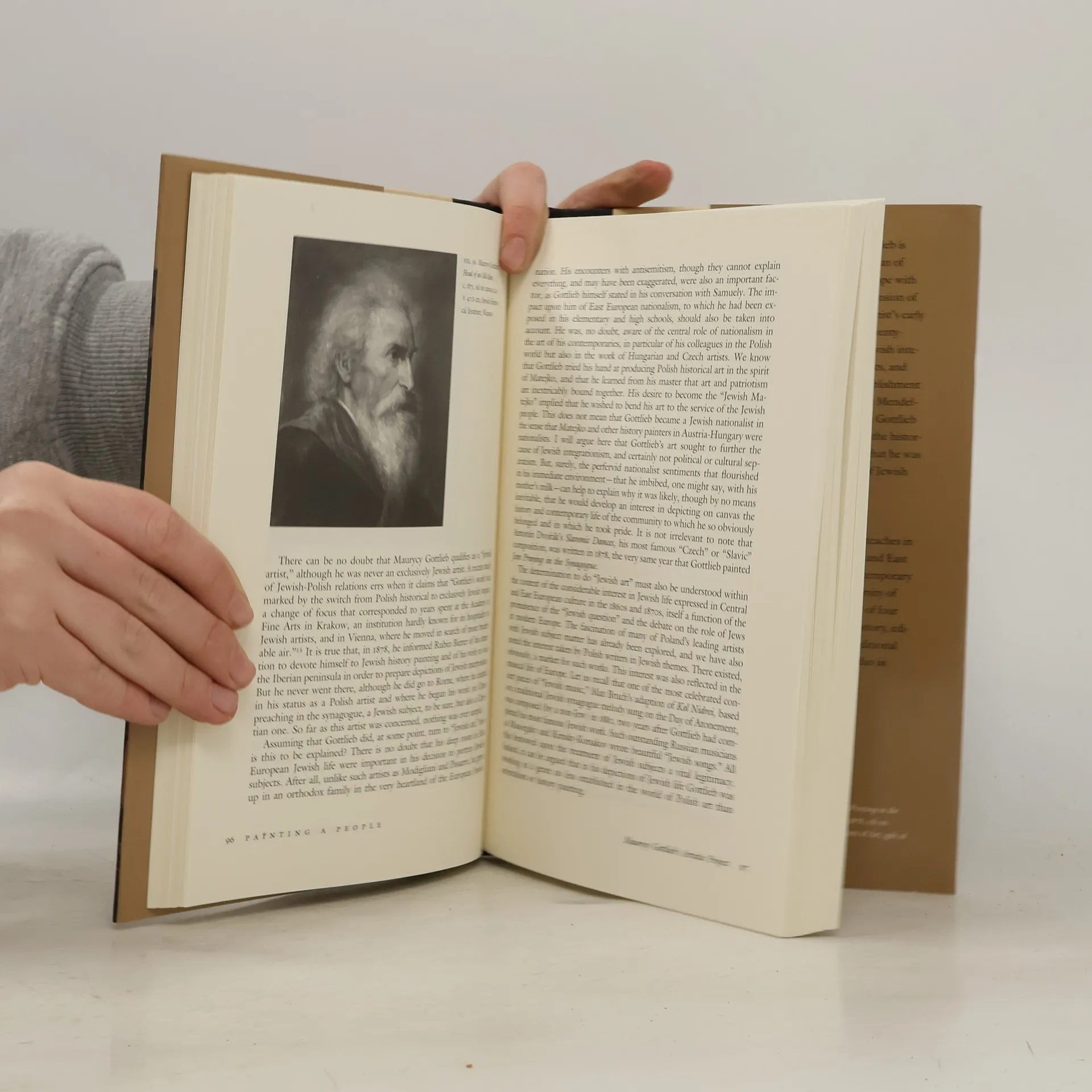
Maurycy Gottlieb, born in 1856 in Drohobycz, Galicia, had a brief but impactful artistic career, passing away at just 23. He created numerous remarkable works, now housed in museums across Eastern Europe and Israel, where he is celebrated as a pioneer of Jewish art following a significant exhibition in 1991. His paintings encompass a variety of subjects, including self-portraits, family, friends, orientalist themes, historical topics, and biblical scenes, notably featuring two important representations of Jesus. Ezra Mendelsohn contextualizes Gottlieb's work within contemporary European painting, using it to explore the sociopolitical and cultural intricacies of the multi-ethnic Austro-Hungarian Empire before World War I. Mendelsohn addresses key issues in modern Jewish history, such as identity, assimilation, nationalism, and the dynamics between Jews and non-Jews, particularly Poles. He argues that Gottlieb is an ideal subject for understanding modern Jewish Eastern Europe through the lens of visual culture. Since Gottlieb's death in 1879, various groups, including Polish nationalists and Jewish integrationists, have claimed his art. However, Mendelsohn asserts that Gottlieb's chosen subjects reveal his commitment to Jewish universalism above all.
Achat du livre
Painting a People, Ezra Mendelsohn
- Langue

- Année de publication
- 2002
- Reliure
- (rigide)
Modes de paiement
Il manque plus que ton avis ici.
- Titre
- Painting a People
- Sous-titre
- Maurycy Gottlieb and Jewish Art
- Langue
- Anglais
- Auteurs
- Ezra Mendelsohn
- Éditeur
- Brandeis University Press
- Publié
- 2002
- Format
- rigide
- Pages
- 336
- ISBN10
- 1584651792
- ISBN13
- 9781584651796
- Séries
- Mots clés
- Thème historique, Littérature juive
- Évaluation
- 4,75 sur 5
- Description
- Maurycy Gottlieb, born in 1856 in Drohobycz, Galicia, had a brief but impactful artistic career, passing away at just 23. He created numerous remarkable works, now housed in museums across Eastern Europe and Israel, where he is celebrated as a pioneer of Jewish art following a significant exhibition in 1991. His paintings encompass a variety of subjects, including self-portraits, family, friends, orientalist themes, historical topics, and biblical scenes, notably featuring two important representations of Jesus. Ezra Mendelsohn contextualizes Gottlieb's work within contemporary European painting, using it to explore the sociopolitical and cultural intricacies of the multi-ethnic Austro-Hungarian Empire before World War I. Mendelsohn addresses key issues in modern Jewish history, such as identity, assimilation, nationalism, and the dynamics between Jews and non-Jews, particularly Poles. He argues that Gottlieb is an ideal subject for understanding modern Jewish Eastern Europe through the lens of visual culture. Since Gottlieb's death in 1879, various groups, including Polish nationalists and Jewish integrationists, have claimed his art. However, Mendelsohn asserts that Gottlieb's chosen subjects reveal his commitment to Jewish universalism above all.