


En savoir plus sur le livre
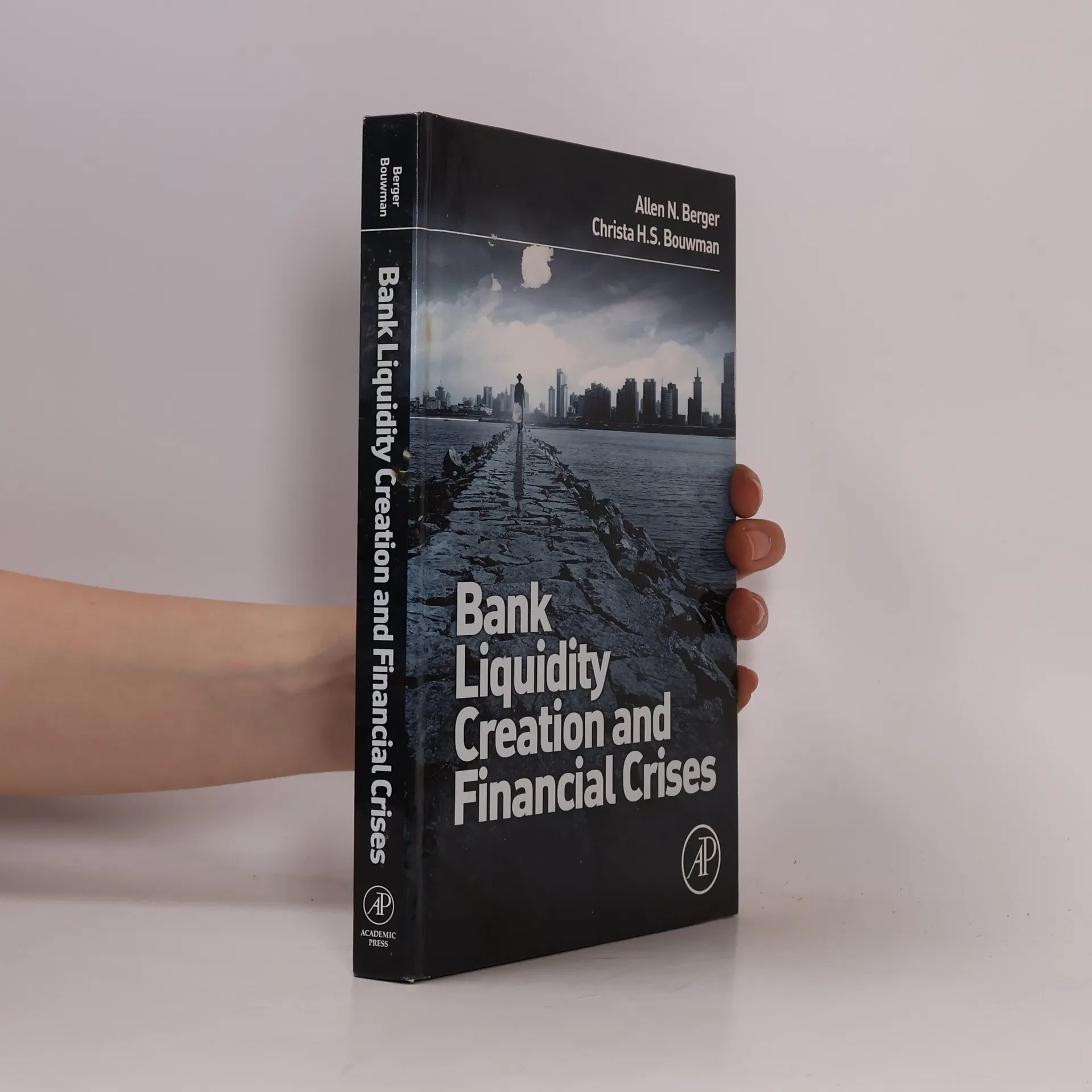
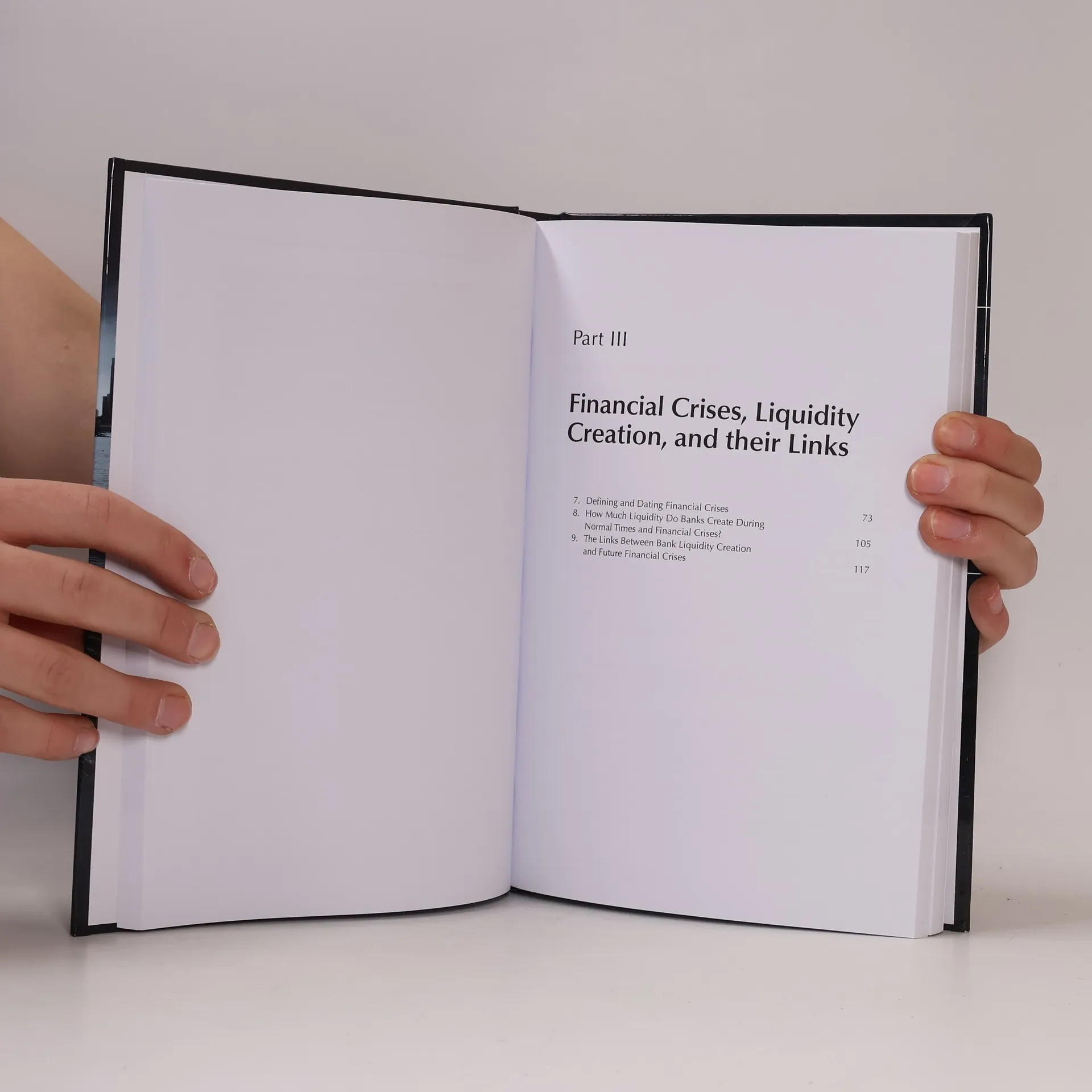
Bank Liquidity Creation and Financial Crises delivers a consistent, logical presentation of bank liquidity creation and addresses questions of research and policy interest that can be easily understood by readers with no advanced or specialized industry knowledge. Authors Allen Berger and Christa Bouwman examine ways to measure bank liquidity creation, how much liquidity banks create in different countries, the effects of monetary policy (including interest rate policy, lender of last resort, and quantitative easing), the effects of capital, the effects of regulatory interventions, the effects of bailouts, and much more. They also analyze bank liquidity creation in the US over the past three decades during both normal times and financial crises. Narrowing the gap between the "academic world" (focused on theories) and the "practitioner world" (dedicated to solving real-world problems), this book is a helpful new tool for evaluating a bank’s performance over time and comparing it to its peer group.
Achat du livre
Bank Liquidity Creation and Financial Crises, Allen N. Berger, Christa H.S. Bouwman
- Langue

- Année de publication
- 2015
- Reliure
- (rigide),
- État du livre
- Très bon
- Prix
- 6,09 €
Modes de paiement
Personne n'a encore évalué .
- Titre
- Bank Liquidity Creation and Financial Crises
- Sous-titre
- New Perspectives
- Langue
- Anglais
- Auteurs
- Allen N. Berger, Christa H.S. Bouwman
- Éditeur
- Academic press
- Publié
- 2015
- Format
- rigide
- Pages
- 294
- ISBN10
- 0128002336
- ISBN13
- 9780128002339
- Séries
- Mots clés
- Commerce, Politique Monétaire
- Description
- Bank Liquidity Creation and Financial Crises delivers a consistent, logical presentation of bank liquidity creation and addresses questions of research and policy interest that can be easily understood by readers with no advanced or specialized industry knowledge. Authors Allen Berger and Christa Bouwman examine ways to measure bank liquidity creation, how much liquidity banks create in different countries, the effects of monetary policy (including interest rate policy, lender of last resort, and quantitative easing), the effects of capital, the effects of regulatory interventions, the effects of bailouts, and much more. They also analyze bank liquidity creation in the US over the past three decades during both normal times and financial crises. Narrowing the gap between the "academic world" (focused on theories) and the "practitioner world" (dedicated to solving real-world problems), this book is a helpful new tool for evaluating a bank’s performance over time and comparing it to its peer group.