

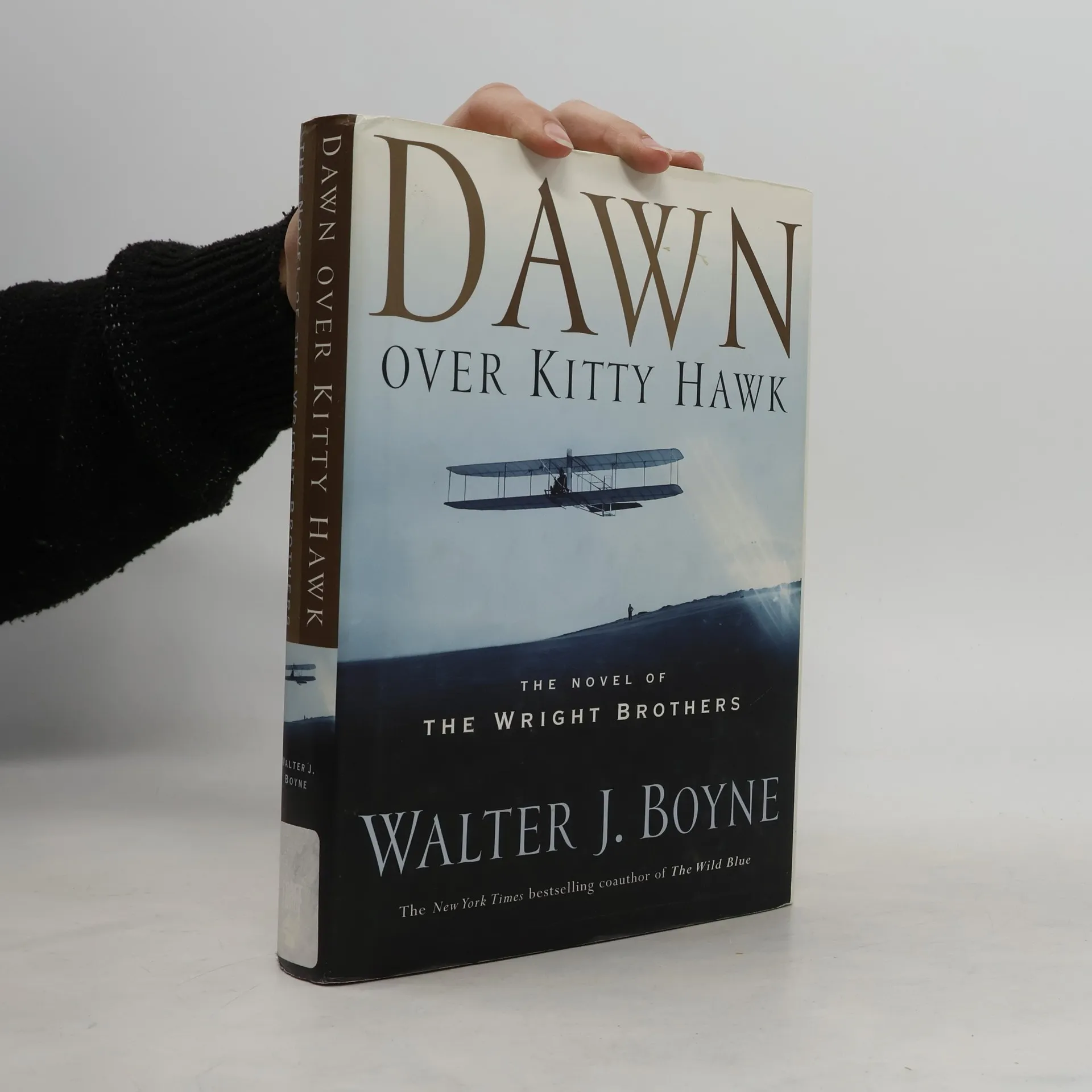




En savoir plus sur le livre
Wilbur and Orville Wright are celebrated as the inventors of the airplane, but many others in the late 19th and early 20th centuries shared the same ambition to create powered aircraft. Among them were Augustus Herring, who managed to fly a heavier-than-air machine for a few seconds in 1898; Samuel Pierpont Langley, a figure backed by the US War Department; and the renowned inventor Alexander Graham Bell. These pioneers, along with European rivals like Louis Blériot, pursued what many deemed an impossible dream of manned flight. Ultimately, the Wright Brothers triumphed through a blend of courage, genius, and stubbornness. Their journey was marked by competition, notably from Glenn Curtiss. A significant influence on their lives was their father, Milton Wright, a bishop of the United Brethren Church, who sought to steer them toward success in their bicycle shop rather than risk their lives on a distant, windy beach in North Carolina known as Kitty Hawk. Despite his attempts to suppress their aspirations, Orville and Wilbur defied expectations and achieved their groundbreaking flight on December 17, 1903. This milestone heralded the dawn of aviation, shaping the 20th century and paving the way for the space race.
Achat du livre
Dawn Over Kitty Hawk, Walter J. Boyne
- Langue

- Année de publication
- 2003
- product-detail.submit-box.info.binding
- (rigide),
- État du livre
- Abîmé
- Prix
- 2,35 €
Modes de paiement
Personne n'a encore évalué .
- Titre
- Dawn Over Kitty Hawk
- Sous-titre
- The Novel of the Wright Brothers
- Langue
- Anglais
- Auteurs
- Walter J. Boyne
- Éditeur
- Forge
- Publié
- 2003
- Format
- rigide
- Pages
- 400
- ISBN10
- 0765304716
- ISBN13
- 9780765304711
- Séries
- Mots clés
- Fiction, Romans historiques, Aviation
- Description
- Wilbur and Orville Wright are celebrated as the inventors of the airplane, but many others in the late 19th and early 20th centuries shared the same ambition to create powered aircraft. Among them were Augustus Herring, who managed to fly a heavier-than-air machine for a few seconds in 1898; Samuel Pierpont Langley, a figure backed by the US War Department; and the renowned inventor Alexander Graham Bell. These pioneers, along with European rivals like Louis Blériot, pursued what many deemed an impossible dream of manned flight. Ultimately, the Wright Brothers triumphed through a blend of courage, genius, and stubbornness. Their journey was marked by competition, notably from Glenn Curtiss. A significant influence on their lives was their father, Milton Wright, a bishop of the United Brethren Church, who sought to steer them toward success in their bicycle shop rather than risk their lives on a distant, windy beach in North Carolina known as Kitty Hawk. Despite his attempts to suppress their aspirations, Orville and Wilbur defied expectations and achieved their groundbreaking flight on December 17, 1903. This milestone heralded the dawn of aviation, shaping the 20th century and paving the way for the space race.