


En savoir plus sur le livre
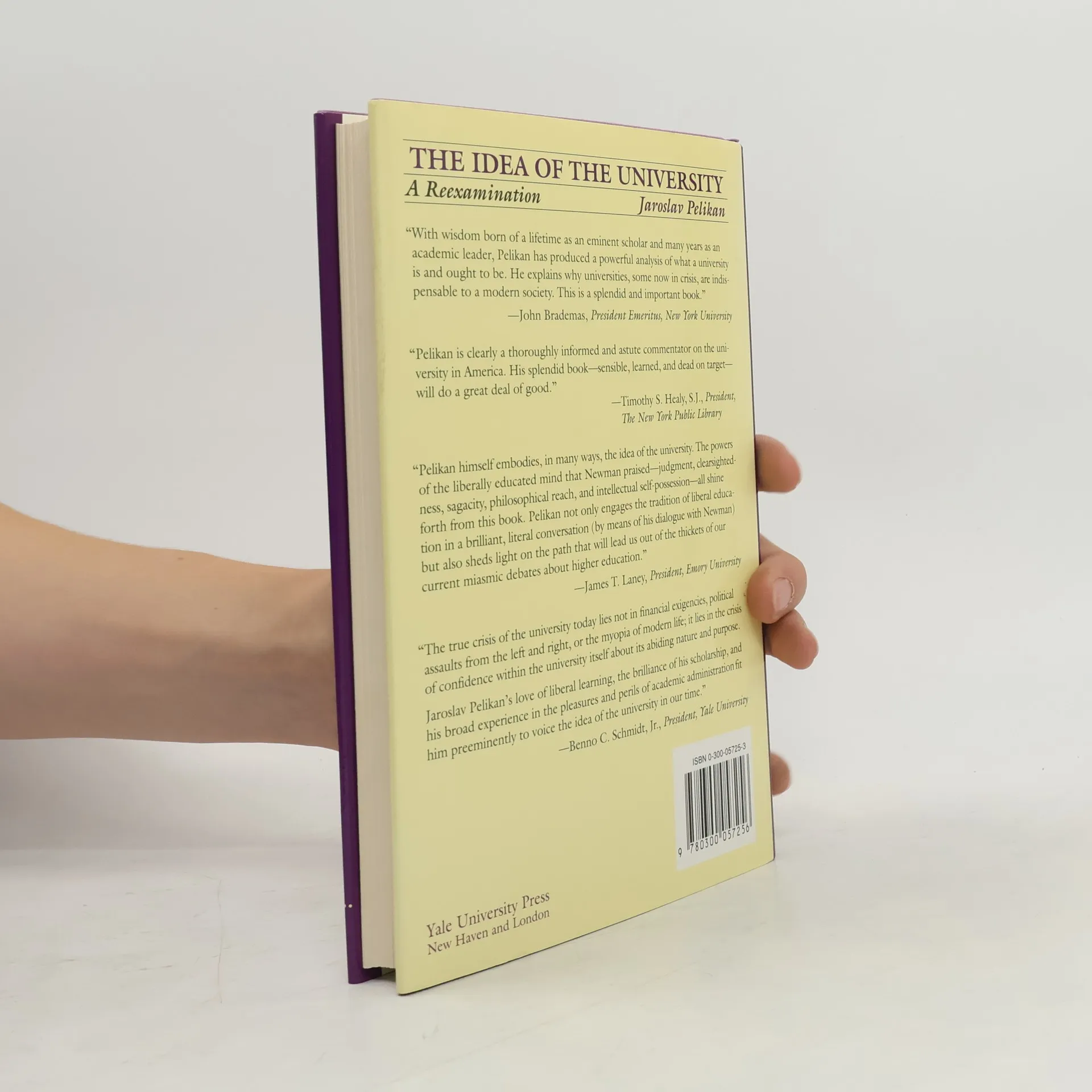
The crisis in university education has sparked intense debate recently. In this deeply personal work, a distinguished scholar reflects on the university's character and aims, evaluating its guiding principles, practical functions, and societal role. By reexamining the institution through the lens of John Henry Cardinal Newman’s classic, the author highlights how Newman’s ideas both illuminate and contrast with contemporary issues in higher education. The author affirms Newman's principle that knowledge must be an end in itself and argues for the inseparability of research and teaching on intellectual and practical grounds. Key virtues such as free inquiry, scholarly honesty, civility in discourse, and trust in rationality must be upheld within academic environments. The author outlines the university's responsibilities: advancing knowledge through research, interpreting it through teaching, preserving it in libraries and museums, and disseminating it via scholarly publishing. Furthermore, by fostering closer ties with other educational institutions and engaging the community in lifelong learning, the university can significantly enhance its contribution to society.


Achat du livre
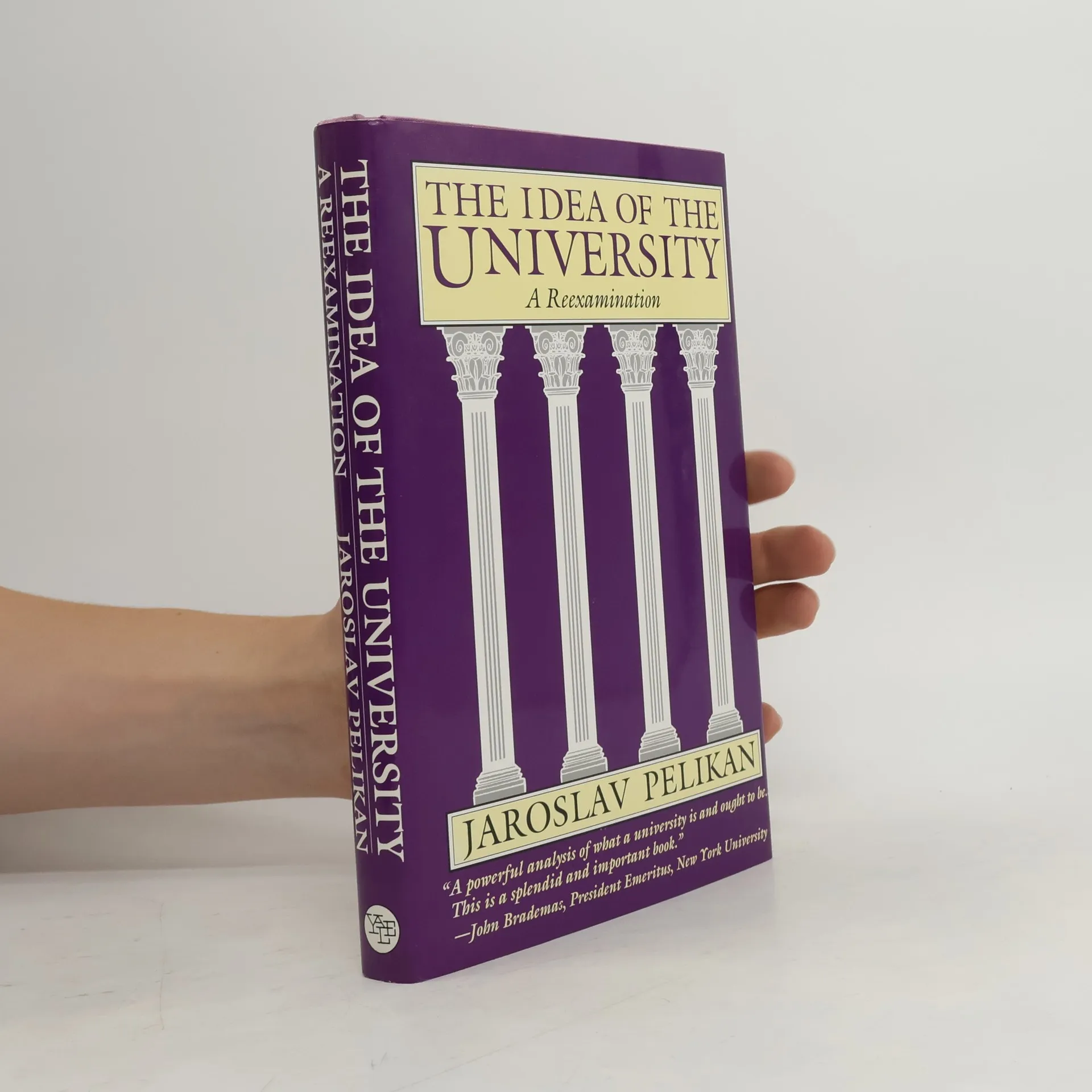
The Idea of the University, Jaroslav Pelikán, John Henry Newman
- Langue

- Année de publication
- 1992
- product-detail.submit-box.info.binding
- (rigide)
Modes de paiement
Personne n'a encore évalué .
- Sous-titre
- A Reexamination
- Langue
- Anglais
- Auteurs
- Jaroslav Pelikán, John Henry Newman
- Éditeur
- Yale University Press
- Publié
- 1992
- Format
- rigide
- Pages
- 238
- ISBN10
- 0300057253
- ISBN13
- 9780300057256
- Séries
- Mots clés
- Nonfiction, L'école, Éducation, système scolaire
- Description
- The crisis in university education has sparked intense debate recently. In this deeply personal work, a distinguished scholar reflects on the university's character and aims, evaluating its guiding principles, practical functions, and societal role. By reexamining the institution through the lens of John Henry Cardinal Newman’s classic, the author highlights how Newman’s ideas both illuminate and contrast with contemporary issues in higher education. The author affirms Newman's principle that knowledge must be an end in itself and argues for the inseparability of research and teaching on intellectual and practical grounds. Key virtues such as free inquiry, scholarly honesty, civility in discourse, and trust in rationality must be upheld within academic environments. The author outlines the university's responsibilities: advancing knowledge through research, interpreting it through teaching, preserving it in libraries and museums, and disseminating it via scholarly publishing. Furthermore, by fostering closer ties with other educational institutions and engaging the community in lifelong learning, the university can significantly enhance its contribution to society.