


Paramètres
- 496pages
- 18 heures de lecture
En savoir plus sur le livre
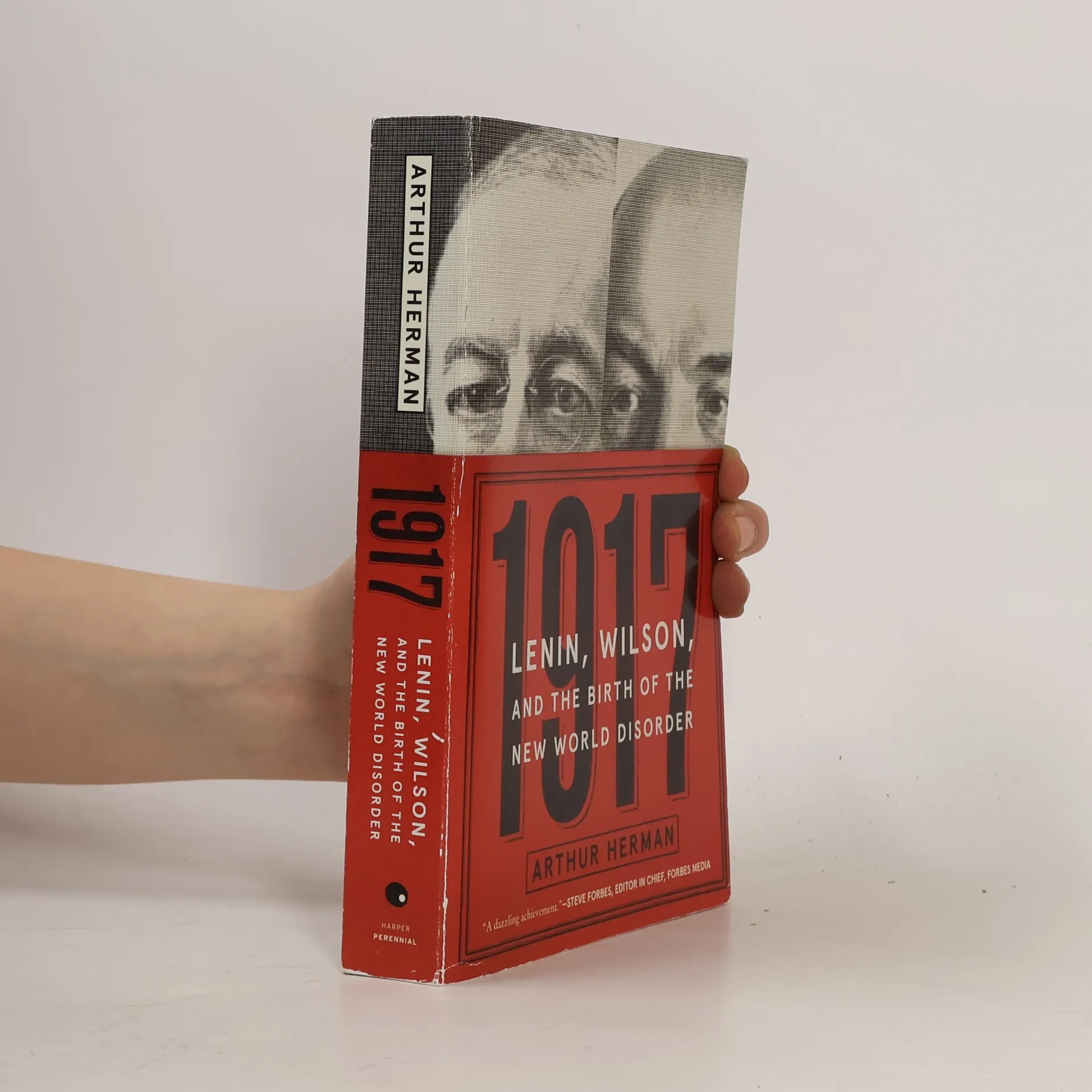
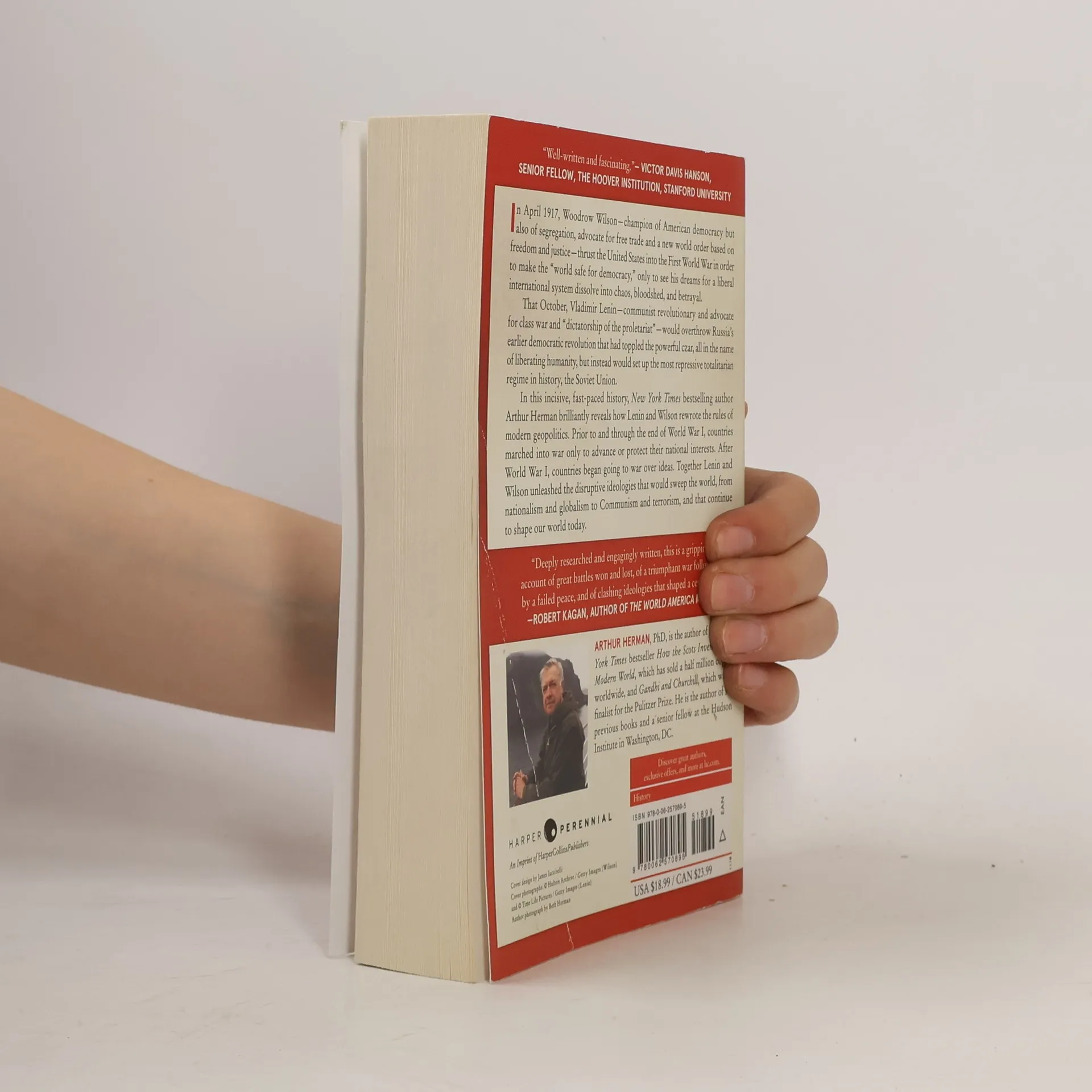
This narrative focuses on two pivotal figures and their decisions in 1917 that reshaped world history: Woodrow Wilson's entry into World War One and Vladimir Lenin's Bolshevik Revolution. In April 1917, Wilson, a proponent of democracy yet a segregationist, led the U.S. into the war to create a “world safe for democracy.” However, his aspirations for a liberal international order quickly unraveled into chaos and betrayal. Later that October, Lenin, a revolutionary advocating for class struggle, overthrew Russia’s democratic revolution, which had previously ended Czarist rule, in the name of liberating humanity. Instead, he established the Soviet Union, a regime marked by extreme repression. In this compelling history, Arthur Herman illustrates how both leaders redefined modern geopolitics. Prior to World War I, nations engaged in warfare primarily for national interests; post-war, conflicts began to arise from ideological motivations. Lenin and Wilson unleashed disruptive ideologies—nationalism, globalism, Communism, and terrorism—that continue to influence our world. The legacy of their visions, termed Our New World Disorder, remains potent a century later, as we navigate the consequences of their actions through ongoing strife and upheaval.
Achat du livre
1917, Arthur Herman
- Langue

- Année de publication
- 2018
- product-detail.submit-box.info.binding
- (souple),
- État du livre
- Abîmé
- Prix
- 3,06 €
Modes de paiement
Personne n'a encore évalué .
- Titre
- 1917
- Sous-titre
- Lenin, Wilson, and the Birth of the New World Disorder
- Langue
- Anglais
- Auteurs
- Arthur Herman
- Éditeur
- Titan Books Ltd
- Publié
- 2018
- Format
- souple
- Pages
- 496
- ISBN10
- 0062570897
- ISBN13
- 9780062570895
- Séries
- Mots clés
- Nonfiction, Sciences sociales, Thème historique, Histoires vraies, Biographies, Sciences politiques & Politique, Politique, Biographies, Russie, Histoire des États-Unis, Première Guerre mondiale (1914–1918)
- Description
- This narrative focuses on two pivotal figures and their decisions in 1917 that reshaped world history: Woodrow Wilson's entry into World War One and Vladimir Lenin's Bolshevik Revolution. In April 1917, Wilson, a proponent of democracy yet a segregationist, led the U.S. into the war to create a “world safe for democracy.” However, his aspirations for a liberal international order quickly unraveled into chaos and betrayal. Later that October, Lenin, a revolutionary advocating for class struggle, overthrew Russia’s democratic revolution, which had previously ended Czarist rule, in the name of liberating humanity. Instead, he established the Soviet Union, a regime marked by extreme repression. In this compelling history, Arthur Herman illustrates how both leaders redefined modern geopolitics. Prior to World War I, nations engaged in warfare primarily for national interests; post-war, conflicts began to arise from ideological motivations. Lenin and Wilson unleashed disruptive ideologies—nationalism, globalism, Communism, and terrorism—that continue to influence our world. The legacy of their visions, termed Our New World Disorder, remains potent a century later, as we navigate the consequences of their actions through ongoing strife and upheaval.