


En savoir plus sur le livre
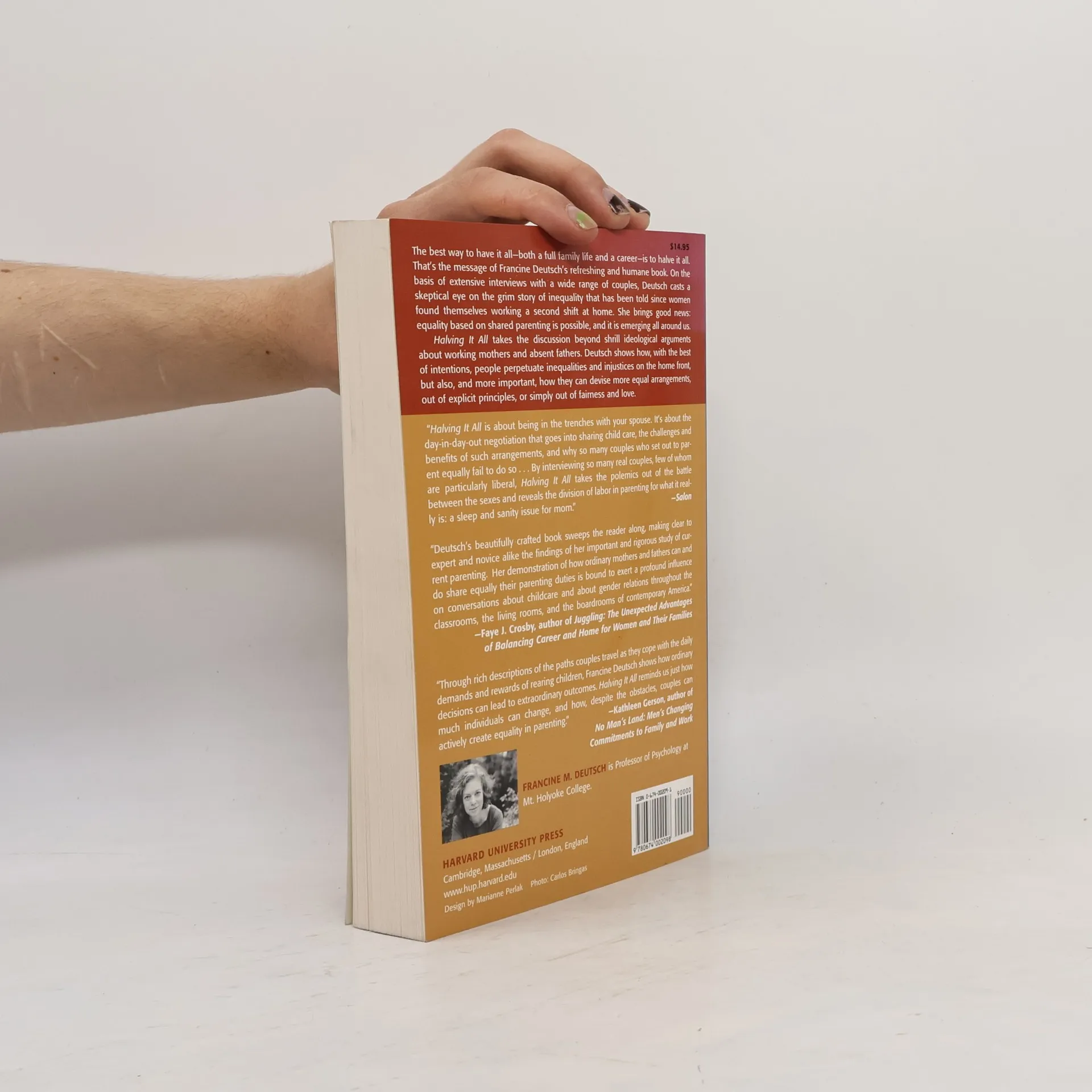
The best way to balance family life and a career is to halve responsibilities, according to Francine Deutsch's insightful book, which draws on extensive interviews with diverse couples. Deutsch challenges the narrative of inequality stemming from women taking on a second shift at home, highlighting that shared parenting can be achieved and is already happening. Some fathers in white-collar jobs exemplify true equality, while blue-collar parents often alternate shifts to ensure one parent is always with the children. Through vivid quotations from her interviews, Deutsch illustrates the experiences of couples who share parenting equally and those who do not. The key differences lie not in politics, education, or class, but in how they negotiate various issues—from the perceived importance of jobs to everyday tasks like applying sunscreen. With most mothers now in the workforce, parents must find ways to share household responsibilities. Deutsch argues that rigid concepts of "good mothers" and "good fathers" can evolve into a more flexible understanding of what it means to be a good parent. The discussion moves beyond ideological debates about working mothers and absent fathers, revealing how well-intentioned individuals can inadvertently sustain inequalities, while also showing pathways to more equitable arrangements based on fairness and love.
Achat du livre
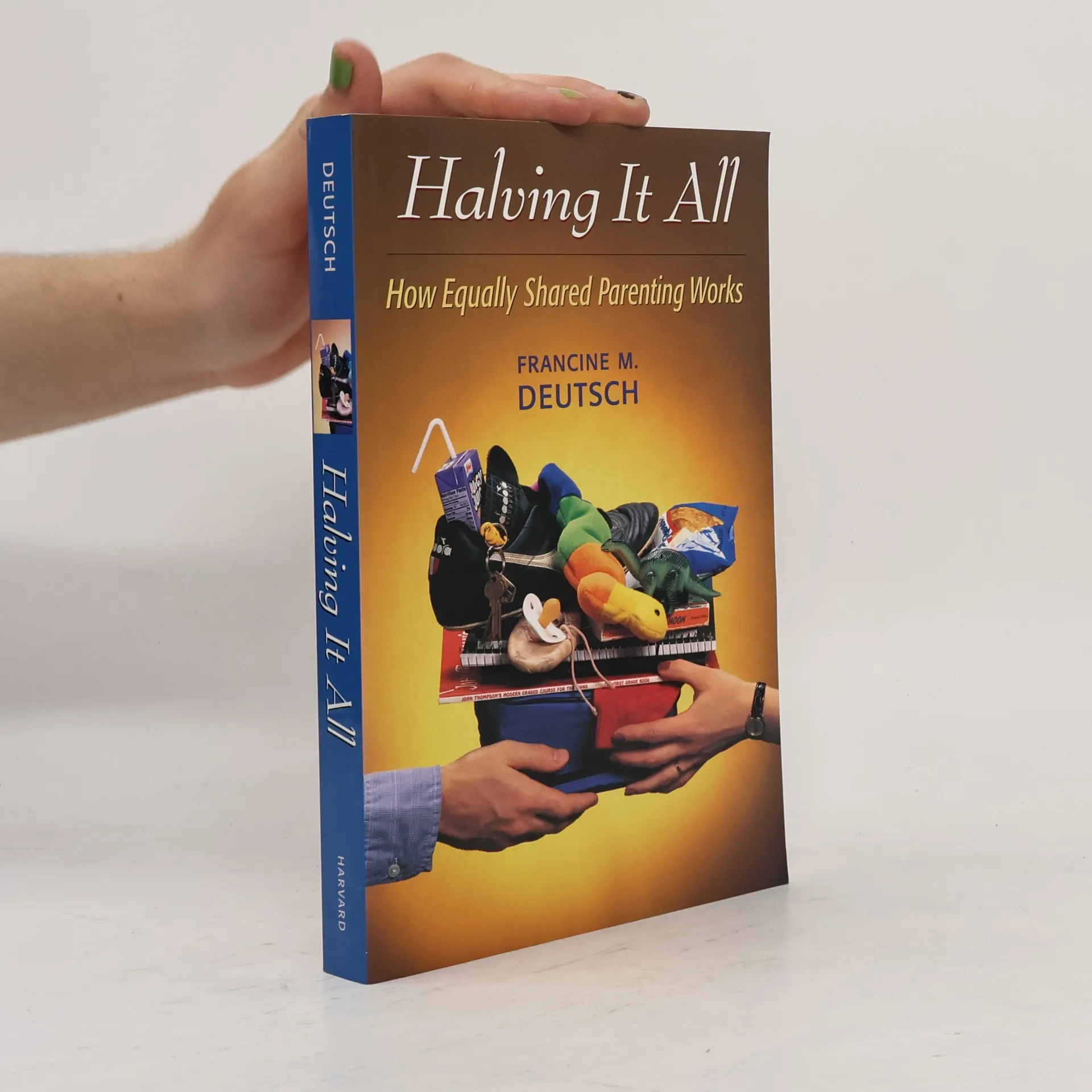
Halving It All, Francine M. Deutsch
- Langue

- Année de publication
- 2000
- Reliure
- (souple),
- État du livre
- Abîmé
- Prix
- 1,62 €
Modes de paiement
Personne n'a encore évalué .
- Titre
- Halving It All
- Sous-titre
- How Equally Shared Parenting Works
- Langue
- Anglais
- Auteurs
- Francine M. Deutsch
- Éditeur
- Harvard University Press
- Publié
- 2000
- Format
- souple
- Pages
- 336
- ISBN10
- 0674002091
- ISBN13
- 9780674002098
- Séries
- Mots clés
- Nonfiction, Femmes, Féminisme, Parentalité, Genre
- Description
- The best way to balance family life and a career is to halve responsibilities, according to Francine Deutsch's insightful book, which draws on extensive interviews with diverse couples. Deutsch challenges the narrative of inequality stemming from women taking on a second shift at home, highlighting that shared parenting can be achieved and is already happening. Some fathers in white-collar jobs exemplify true equality, while blue-collar parents often alternate shifts to ensure one parent is always with the children. Through vivid quotations from her interviews, Deutsch illustrates the experiences of couples who share parenting equally and those who do not. The key differences lie not in politics, education, or class, but in how they negotiate various issues—from the perceived importance of jobs to everyday tasks like applying sunscreen. With most mothers now in the workforce, parents must find ways to share household responsibilities. Deutsch argues that rigid concepts of "good mothers" and "good fathers" can evolve into a more flexible understanding of what it means to be a good parent. The discussion moves beyond ideological debates about working mothers and absent fathers, revealing how well-intentioned individuals can inadvertently sustain inequalities, while also showing pathways to more equitable arrangements based on fairness and love.