


Paramètres
- 192pages
- 7 heures de lecture
En savoir plus sur le livre
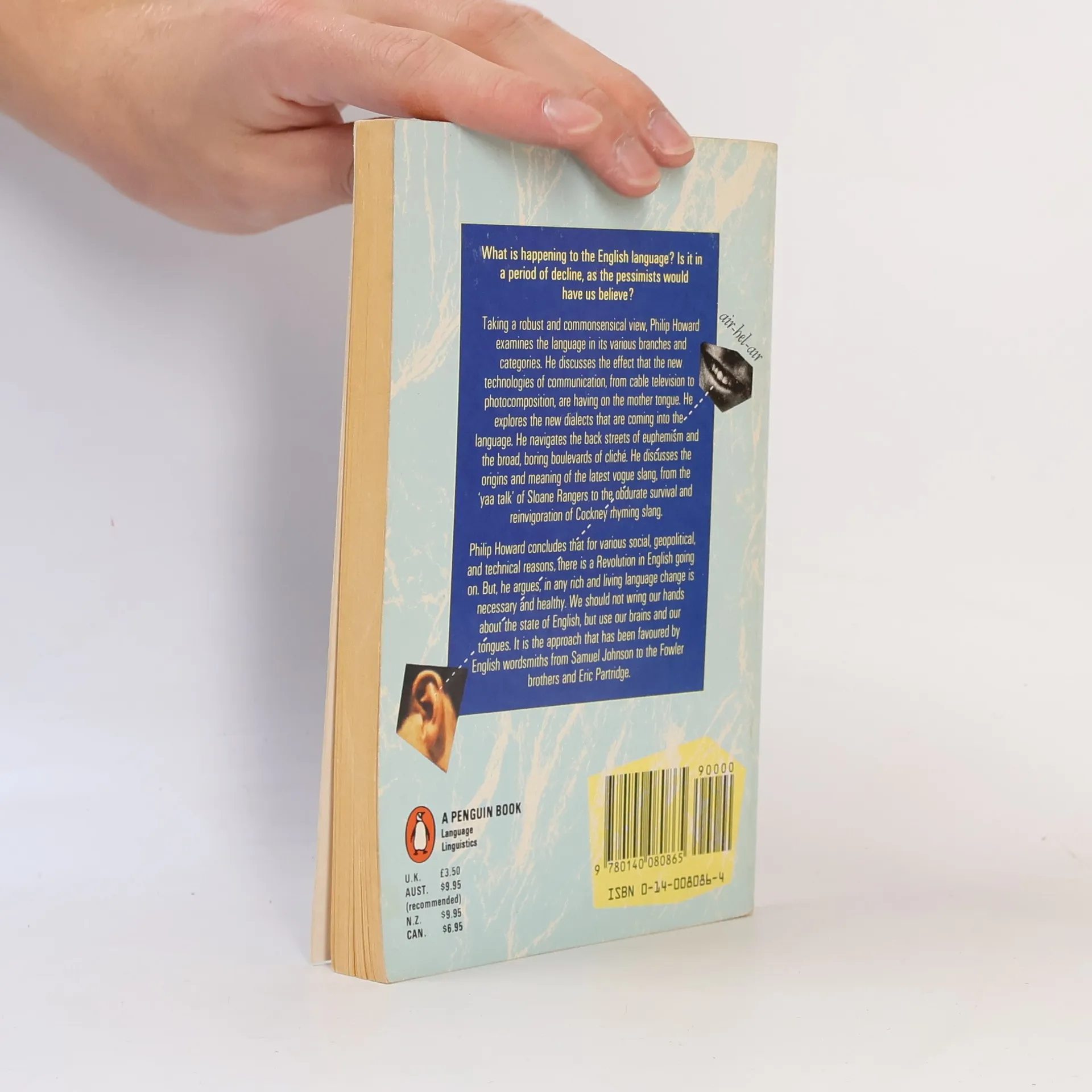
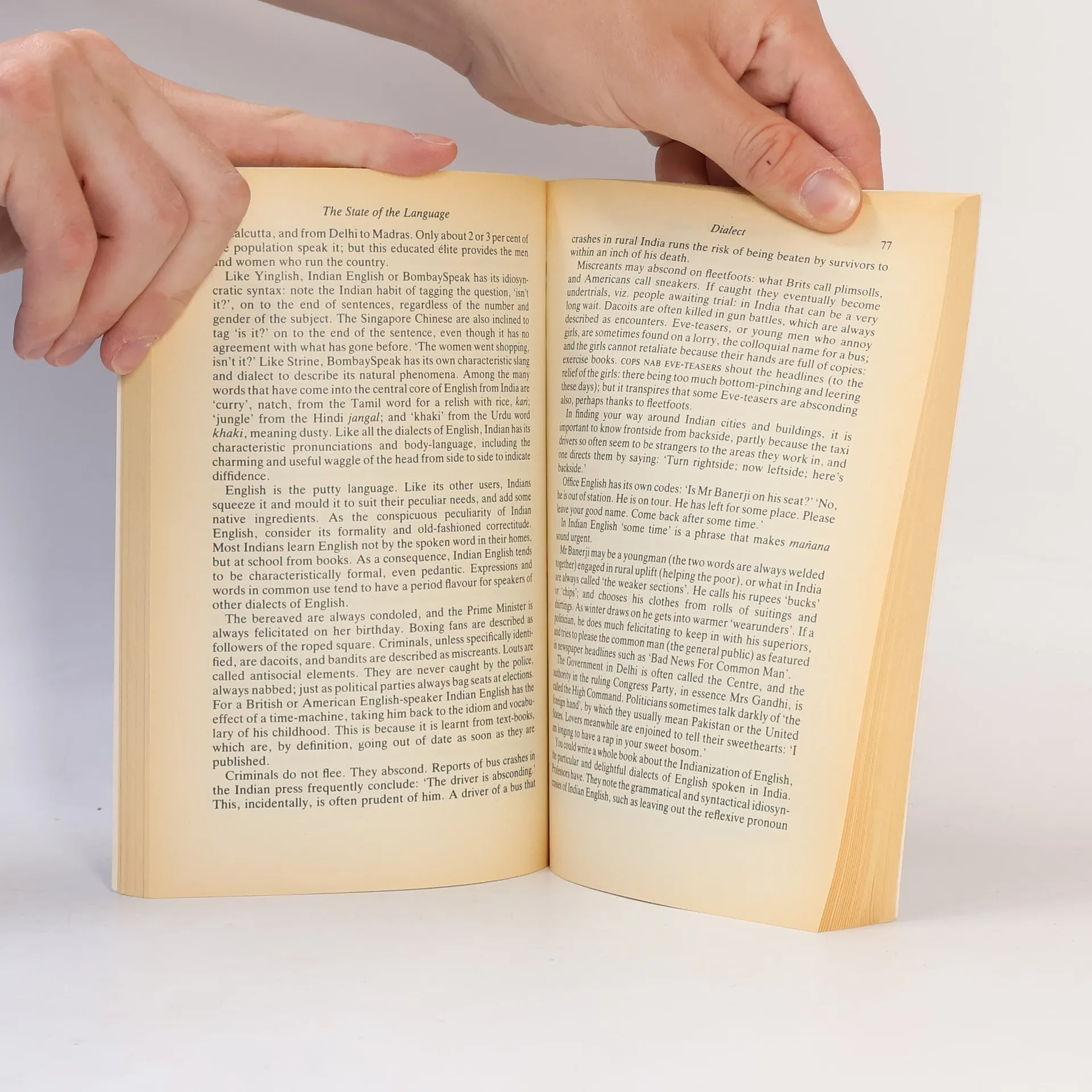
Is the English language in decline? Many believe so, but Philip Howard, Literary Editor of The Times of London, disagrees. He offers a commonsensical perspective on the changes occurring in English, recognizing that while not all changes are beneficial, they are essential and healthy for a living language. Howard explores various aspects of the language, including grammar, pronunciation, spelling, punctuation, dialect, and slang. He analyzes the impact of new technologies, from cable TV to photocomposition, on English and the emergence of new dialects. He navigates the nuances of euphemism and the pitfalls of cliché, questioning whether the language is evolving as rapidly as perceived and the reasons behind it. Howard advocates for directing and controlling changes in English to enhance its power, while also encouraging us to embrace its richness where we cannot. With his characteristic wit and erudition, he urges us to engage with the language thoughtfully, rather than lament its evolution.
Achat du livre
The State of the Language, Philip Howard
- Langue

- Année de publication
- 1986
- product-detail.submit-box.info.binding
- (souple),
- État du livre
- Bon
- Prix
- 3,59 €
Modes de paiement
Personne n'a encore évalué .
- Titre
- The State of the Language
- Sous-titre
- English Observed
- Langue
- Anglais
- Auteurs
- Philip Howard
- Éditeur
- Penguin UK
- Publié
- 1986
- Format
- souple
- Pages
- 192
- ISBN10
- 0140080864
- ISBN13
- 9780140080865
- Séries
- Mots clés
- Nonfiction
- Description
- Is the English language in decline? Many believe so, but Philip Howard, Literary Editor of The Times of London, disagrees. He offers a commonsensical perspective on the changes occurring in English, recognizing that while not all changes are beneficial, they are essential and healthy for a living language. Howard explores various aspects of the language, including grammar, pronunciation, spelling, punctuation, dialect, and slang. He analyzes the impact of new technologies, from cable TV to photocomposition, on English and the emergence of new dialects. He navigates the nuances of euphemism and the pitfalls of cliché, questioning whether the language is evolving as rapidly as perceived and the reasons behind it. Howard advocates for directing and controlling changes in English to enhance its power, while also encouraging us to embrace its richness where we cannot. With his characteristic wit and erudition, he urges us to engage with the language thoughtfully, rather than lament its evolution.