


En savoir plus sur le livre
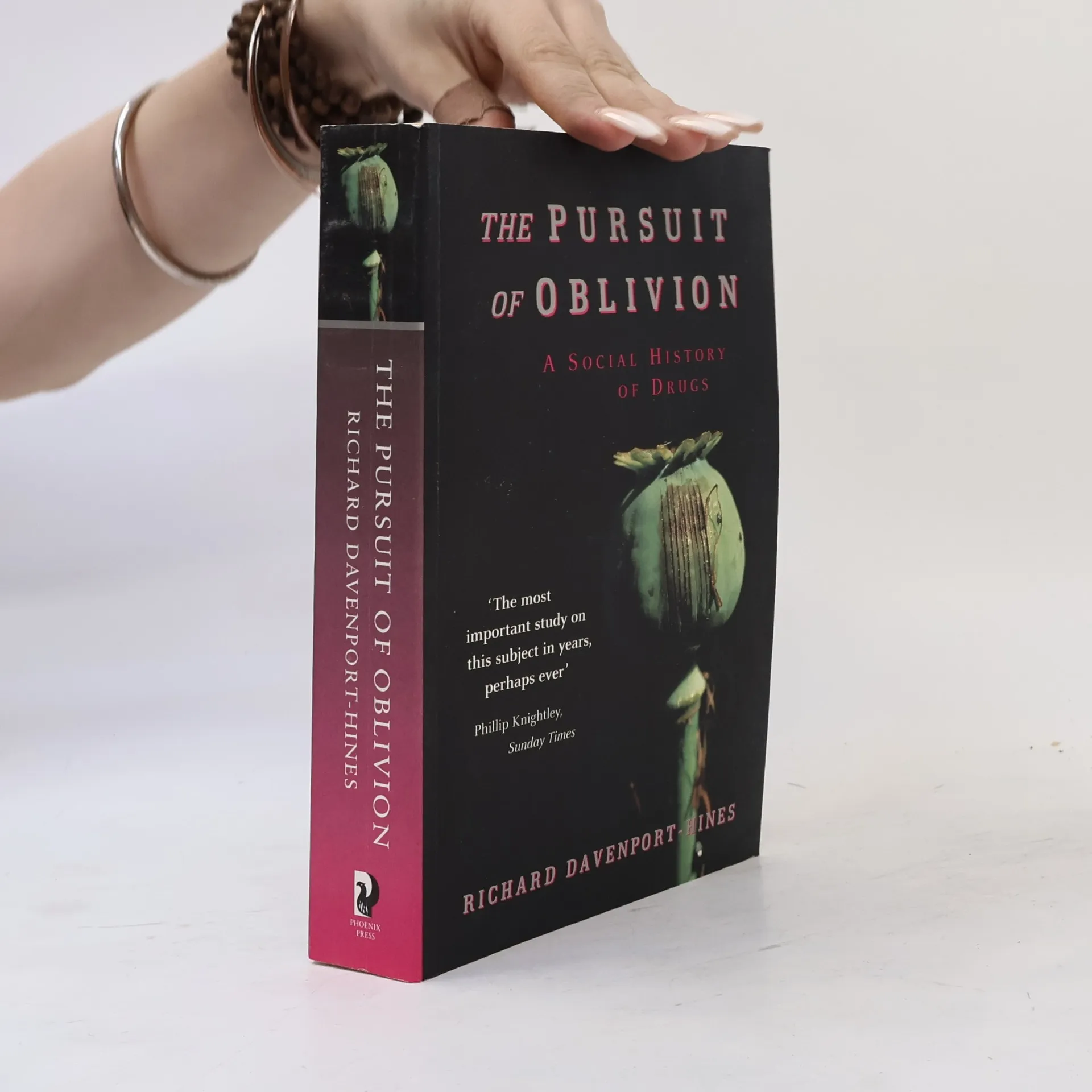
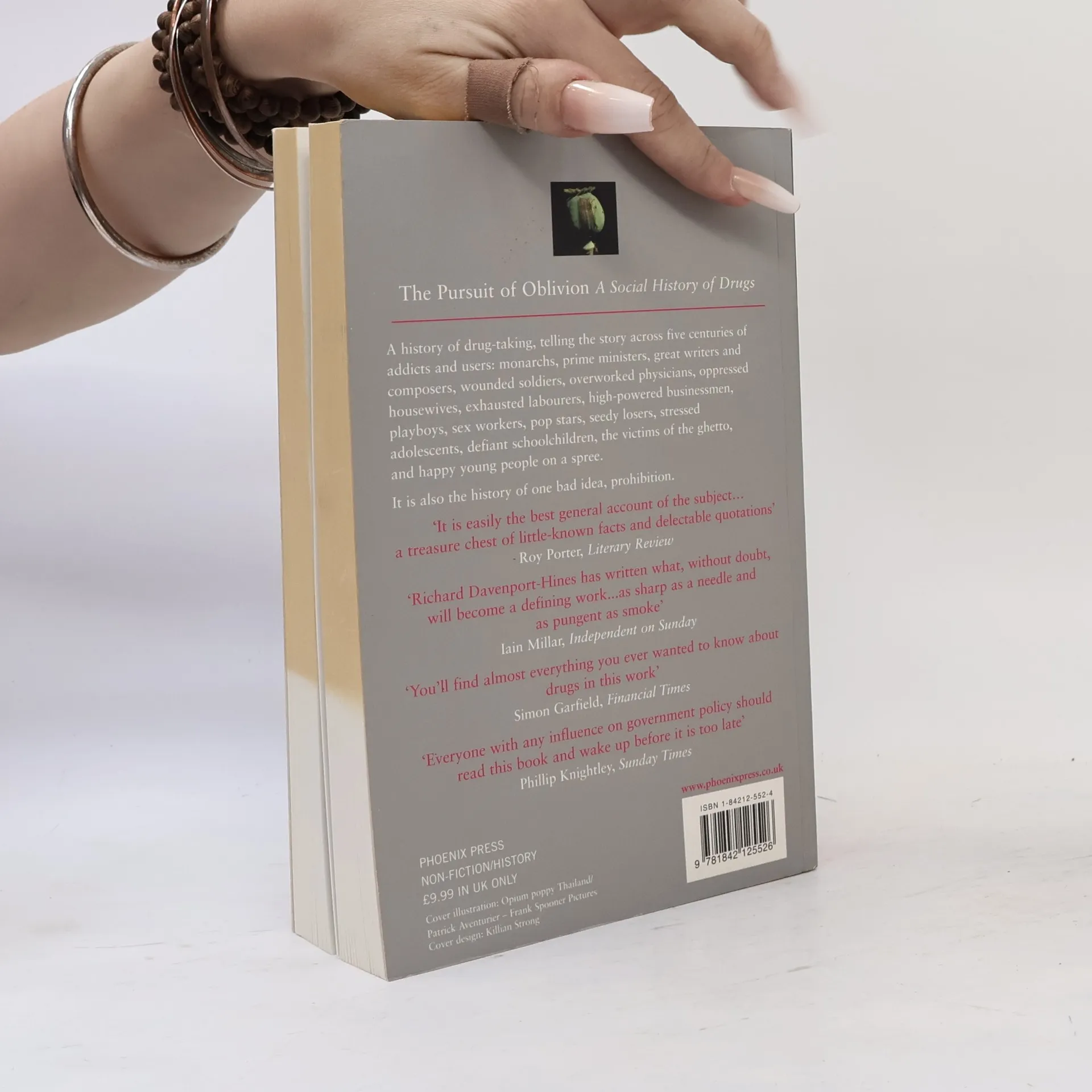
An account of drug use, this work presents an often-ignored insight into the history of need and addiction. The international trade in illicit drugs generates around $400 billion annually, comparable to the oil industry. Award-winning historian Richard Davenport-Hines examines the evolution of licit medicines into a vast illicit business. By blending social, political, and cultural history, the narrative illustrates that intoxication is neither unnatural nor deviant; for thousands of years, humans have altered their physical or emotional states with substances. Davenport-Hines argues that drug use is integral to human experience, noting that many currently controlled drugs were once freely available. While 17th-century European explorers experimented with narcotics, modern drug history began in the 19th century, as Victorian physicians utilized morphine and other powerful medications, often leading to unintended dependencies. The 20th century saw opiates, cocaine, and marijuana increasingly associated with marginalized groups. The U.S. anti-drug lobby's push for total prohibition shifted global attitudes and policies, leading to a counterproductive War on Drugs. This narrative reveals that drug use, while potentially dangerous, is sustained by an economic system rooted in prohibition. Through the stories of diverse users across five centuries, the book challenges conventional views on a controversial global issue.
Achat du livre
The Pursuit of Oblivion, R. P. T. Davenport-Hines
- Langue

- Année de publication
- 2001
- Reliure
- (souple)
Modes de paiement
Personne n'a encore évalué .
- Titre
- The Pursuit of Oblivion
- Sous-titre
- A Social History of Drugs
- Langue
- Anglais
- Auteurs
- R. P. T. Davenport-Hines
- Publié
- 2001
- Format
- souple
- Pages
- 480
- ISBN10
- 1842125524
- ISBN13
- 9781842125526
- Séries
- Description
- An account of drug use, this work presents an often-ignored insight into the history of need and addiction. The international trade in illicit drugs generates around $400 billion annually, comparable to the oil industry. Award-winning historian Richard Davenport-Hines examines the evolution of licit medicines into a vast illicit business. By blending social, political, and cultural history, the narrative illustrates that intoxication is neither unnatural nor deviant; for thousands of years, humans have altered their physical or emotional states with substances. Davenport-Hines argues that drug use is integral to human experience, noting that many currently controlled drugs were once freely available. While 17th-century European explorers experimented with narcotics, modern drug history began in the 19th century, as Victorian physicians utilized morphine and other powerful medications, often leading to unintended dependencies. The 20th century saw opiates, cocaine, and marijuana increasingly associated with marginalized groups. The U.S. anti-drug lobby's push for total prohibition shifted global attitudes and policies, leading to a counterproductive War on Drugs. This narrative reveals that drug use, while potentially dangerous, is sustained by an economic system rooted in prohibition. Through the stories of diverse users across five centuries, the book challenges conventional views on a controversial global issue.