




En savoir plus sur le livre
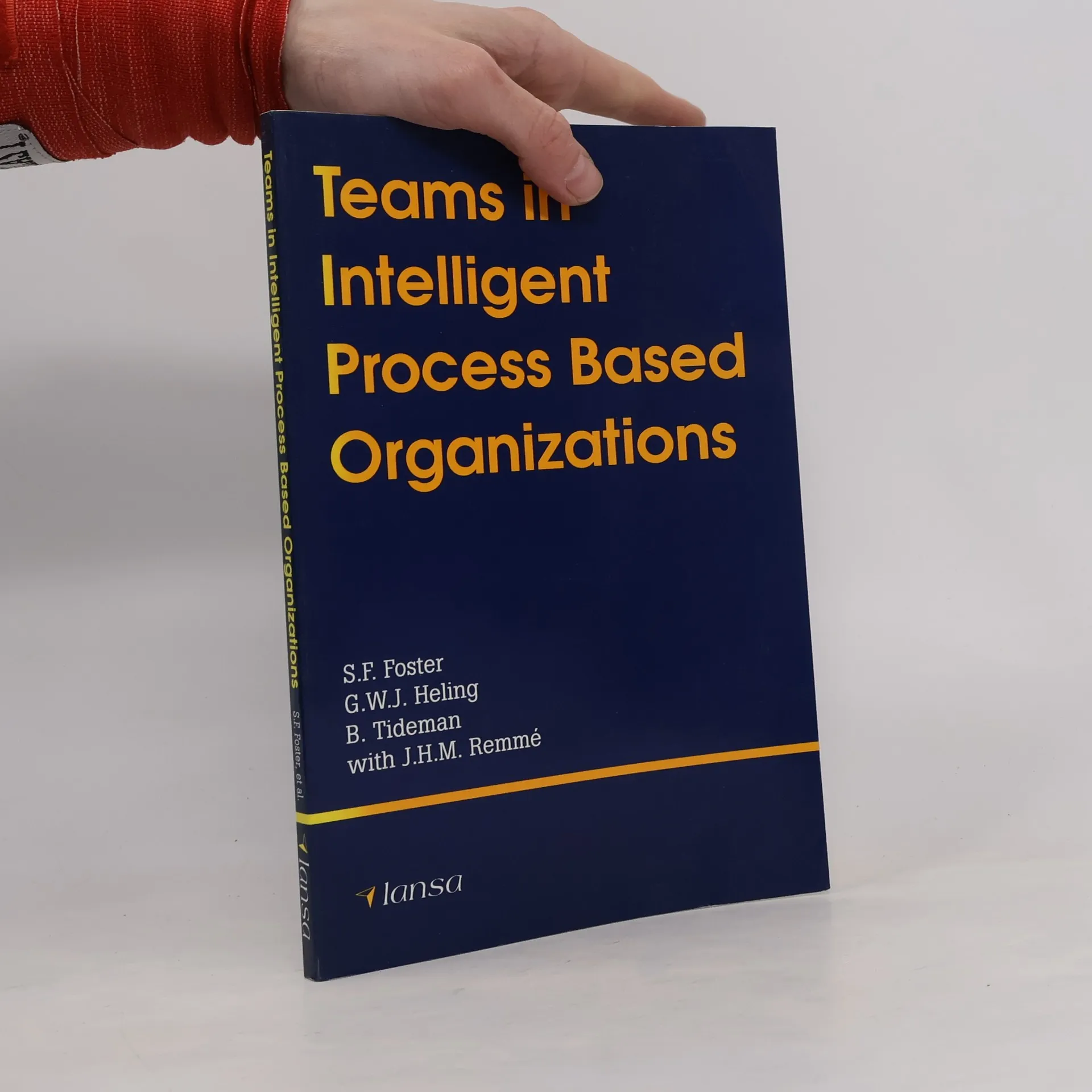
This book describes how teams can be used to realize the benefits of process based organizations and to achieve organizational intelligence. Teams and processes go naturally together. Organizational intelligence makes it possible to continuously improve performance, the objective of every modern organization. Teams and team management are essential ingredients and to promote them an intelligent, essentially learning, organization is a necessary condition. This book is not merely a description of these developments but provides analyses and recommendations for intentionally and effectively moving organizations in these new directions. The authors' observations are based on extensive consultancy work in public and private organizations, teaching in management programs and active participation in developing the methods described. The aim of the book is to assist managers in developing intelligent organizations where real teams can be formed and contribute to lasting success.
Achat du livre
Teams in Intelligent Process Based Organizations, Steve F. Foster, Geert W. J. Heling, Bruno Tideman, J.H.M. Remmé
- Langue

- Année de publication
- 1995
- Reliure
- (souple),
- État du livre
- Abîmé
- Prix
- 1,62 €
Modes de paiement
Personne n'a encore évalué .
- Titre
- Teams in Intelligent Process Based Organizations
- Langue
- Anglais
- Éditeur
- Assign Inc.
- Publié
- 1995
- Format
- souple
- Pages
- 150
- ISBN10
- 9055900095
- ISBN13
- 9789055900091
- Séries
- Mots clés
- Nonfiction, Commerce, Affaires & Gestion, Motivation & Bien-être, Thèmes psychologiques, Gestion & Ressources humaines
- Description
- This book describes how teams can be used to realize the benefits of process based organizations and to achieve organizational intelligence. Teams and processes go naturally together. Organizational intelligence makes it possible to continuously improve performance, the objective of every modern organization. Teams and team management are essential ingredients and to promote them an intelligent, essentially learning, organization is a necessary condition. This book is not merely a description of these developments but provides analyses and recommendations for intentionally and effectively moving organizations in these new directions. The authors' observations are based on extensive consultancy work in public and private organizations, teaching in management programs and active participation in developing the methods described. The aim of the book is to assist managers in developing intelligent organizations where real teams can be formed and contribute to lasting success.