


Paramètres
- 236pages
- 9 heures de lecture
En savoir plus sur le livre
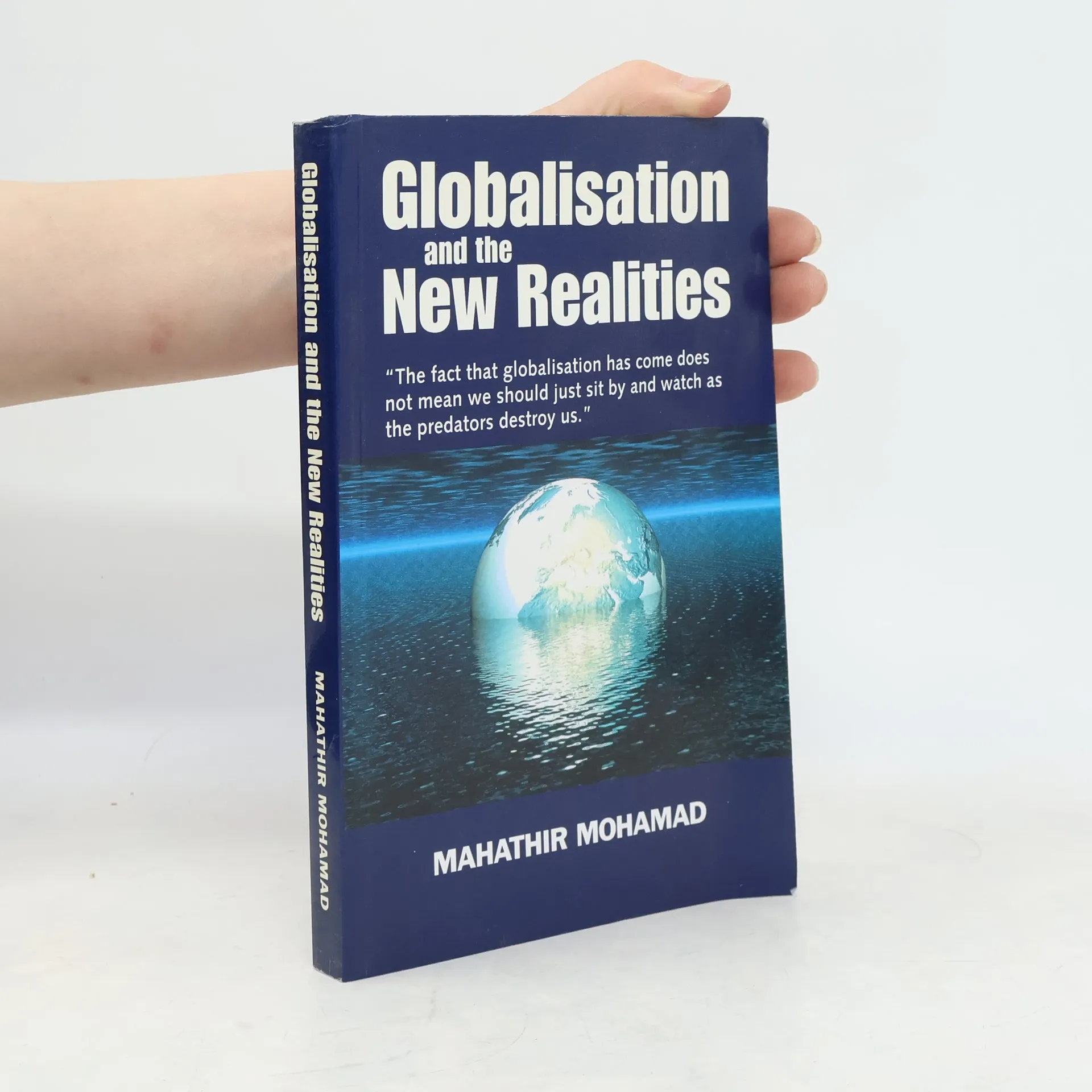
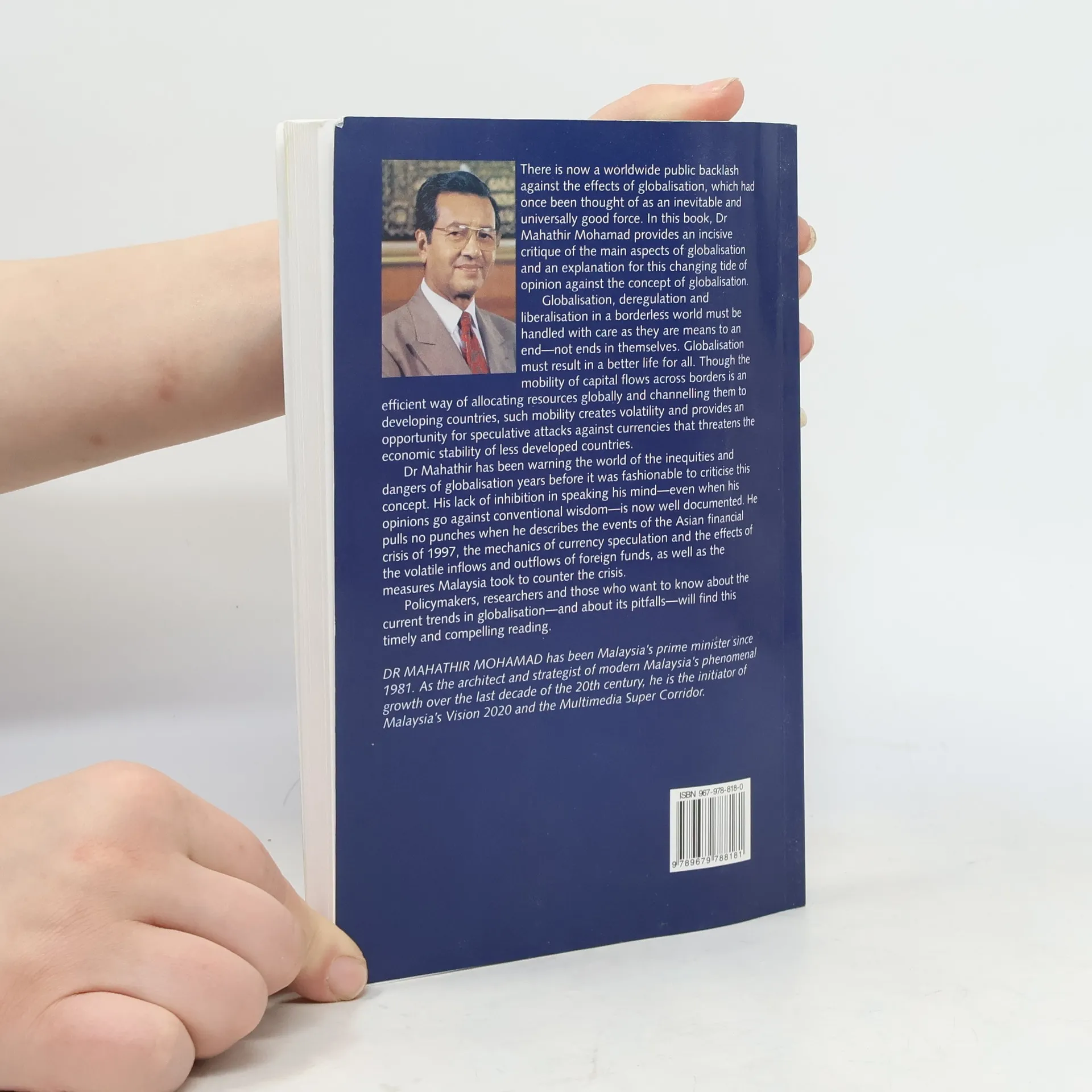
A global backlash against globalization has emerged, challenging its previously accepted benefits. Dr. Mahathir Mohamad critiques key aspects of globalization and explores the shifting opinions surrounding it. He emphasizes that globalization, deregulation, and liberalization should be approached cautiously, as they are tools for improvement rather than objectives in themselves. The goal must be to enhance lives globally. While capital mobility can efficiently allocate resources and support developing nations, it also introduces volatility and risks, particularly for less developed economies vulnerable to speculative currency attacks. Dr. Mahathir has long warned of globalization's inequities and dangers, often voicing unpopular opinions that challenge conventional wisdom. He candidly recounts the 1997 Asian financial crisis, detailing currency speculation mechanics and the impact of volatile foreign fund flows, along with Malaysia's response to the crisis. This insightful analysis serves as essential reading for policymakers, researchers, and anyone interested in understanding current globalization trends and their inherent risks.
Achat du livre
Globalisation and the New Realities, Hashim Makaruddin, Mahathir bin Mohamad
- Langue

- Année de publication
- 2002
- Reliure
- (souple),
- État du livre
- Bon
- Prix
- 6,59 €
Modes de paiement
Personne n'a encore évalué .
- Titre
- Globalisation and the New Realities
- Langue
- Anglais
- Éditeur
- Pelanduk Publications
- Publié
- 2002
- Format
- souple
- Pages
- 236
- ISBN10
- 9679788180
- ISBN13
- 9789679788181
- Séries
- Mots clés
- Politique, Théories politiques, Globalisation, Malaisie
- Description
- A global backlash against globalization has emerged, challenging its previously accepted benefits. Dr. Mahathir Mohamad critiques key aspects of globalization and explores the shifting opinions surrounding it. He emphasizes that globalization, deregulation, and liberalization should be approached cautiously, as they are tools for improvement rather than objectives in themselves. The goal must be to enhance lives globally. While capital mobility can efficiently allocate resources and support developing nations, it also introduces volatility and risks, particularly for less developed economies vulnerable to speculative currency attacks. Dr. Mahathir has long warned of globalization's inequities and dangers, often voicing unpopular opinions that challenge conventional wisdom. He candidly recounts the 1997 Asian financial crisis, detailing currency speculation mechanics and the impact of volatile foreign fund flows, along with Malaysia's response to the crisis. This insightful analysis serves as essential reading for policymakers, researchers, and anyone interested in understanding current globalization trends and their inherent risks.