

En savoir plus sur le livre
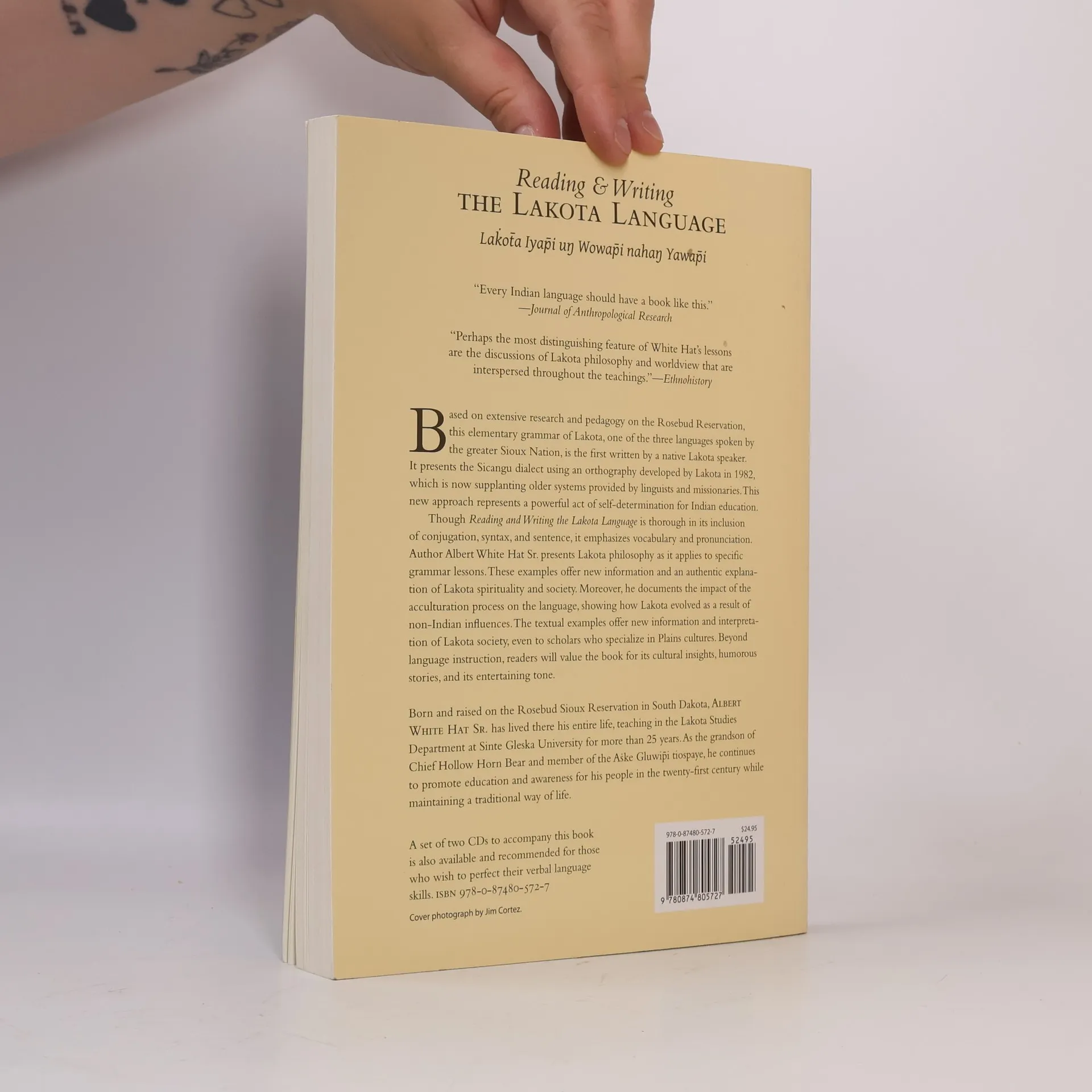
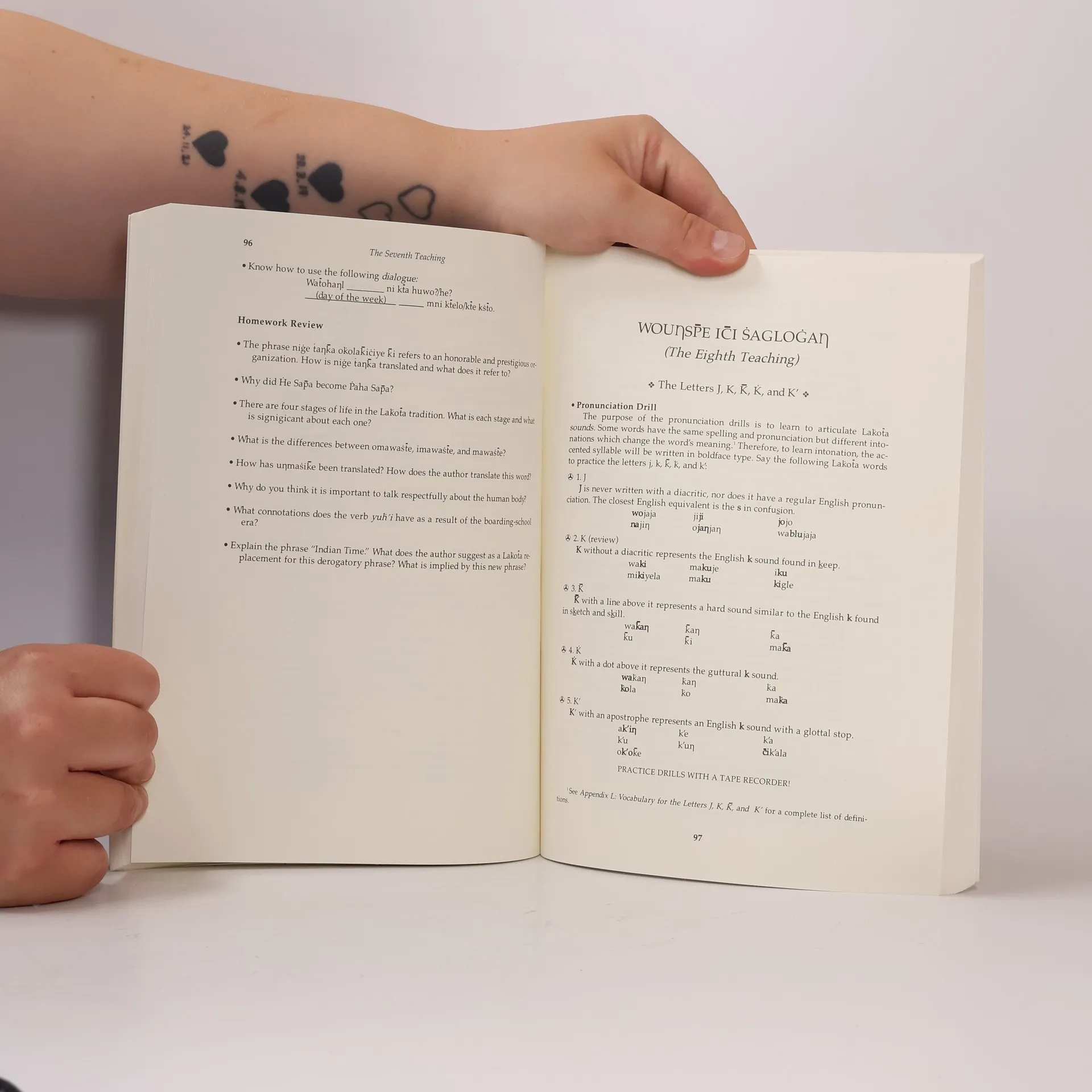
Based on extensive research and pedagogy on the Rosebud Reservation, this elementary grammar of Lakota, one of the three languages spoken by the Sioux nation, is the first written by a native Lakota speaker. It presents the Sicangu dialect using an orthography developed by Lakota in 1982 and which is now supplanting older systems provided by linguists and missionaries. This new approach represents a powerful act of self-determination for Indian education. Though Reading and Writing the Lakota Language is thorough in its inclusion of conjugation, syntax, and sentence, it emphasizes vocabulary and pronunciation. Author Albert White Hat Sr. presents Lakota philosophy as it applies to specific grammar lessons. Moreover, he documents the impact of the acculturation process on the language, showing how Lakota evolved as a result of non-Indian influences. The textual example offers new information and interpretation of Lakota society, even to scholars who specialize n Plains cultures. Beyond language instruction, readers will value the book for its cultural insights, humorous stories, and its entertaining tone.
Achat du livre
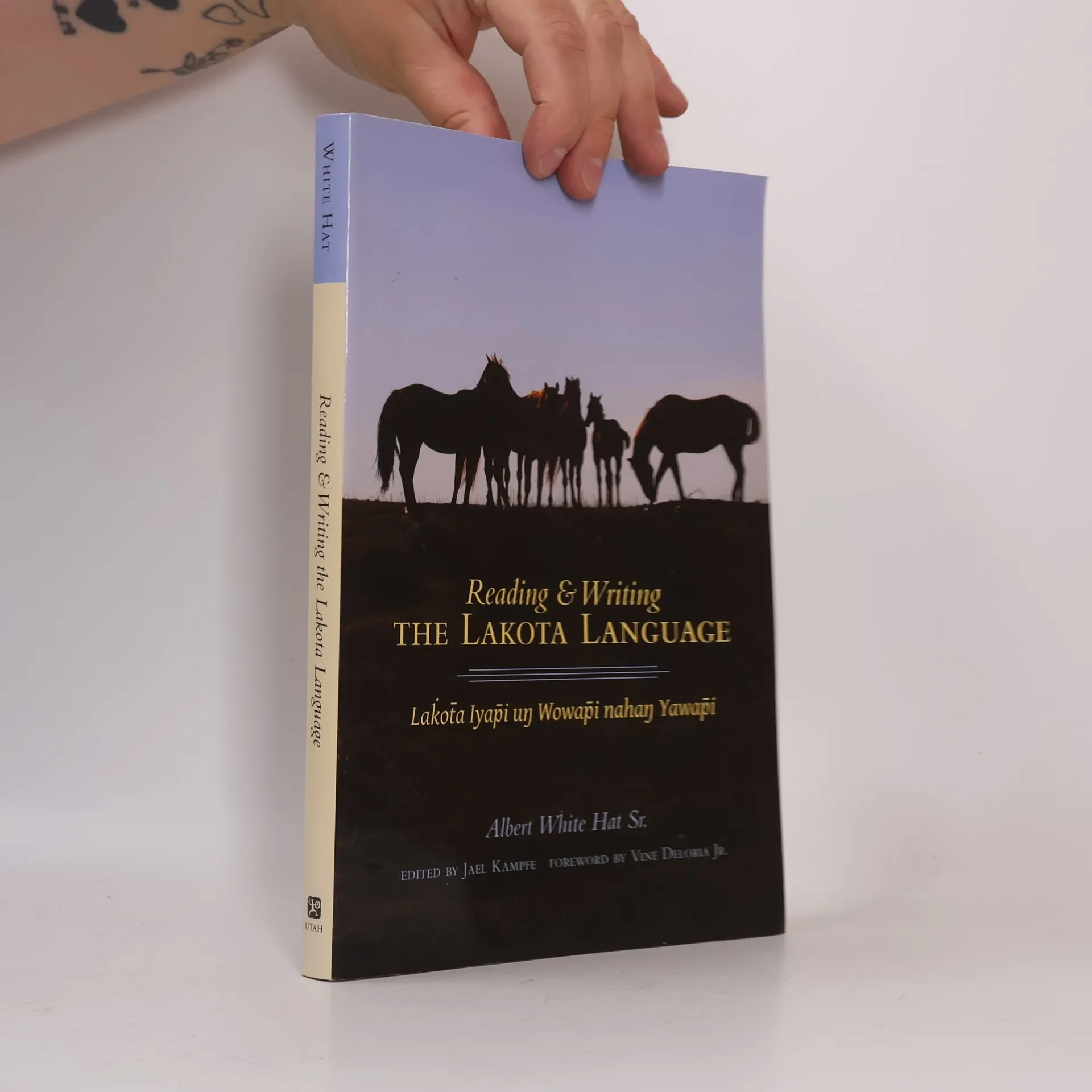
Reading and Writing the Lakota Language, Albert White Hat Sr., Jael Kampfe, Vine Deloria Jr.
- Langue

- Année de publication
- 1999
- Reliure
- (souple)
Modes de paiement
Personne n'a encore évalué .
- Titre
- Reading and Writing the Lakota Language
- Sous-titre
- Lakota Iyapi un Wowapi nahan Yawapi
- Langue
- Anglais
- Éditeur
- University of Utah Press
- Publié
- 1999
- Format
- souple
- Pages
- 240
- ISBN10
- 0874805724
- ISBN13
- 9780874805727
- Séries
- Mots clés
- Dictionnaires et manuels de langue, Manuels et guides, États-Unis, Manuels de langue, Linguistique, Indiens, Tribus indigènes
- Description
- Based on extensive research and pedagogy on the Rosebud Reservation, this elementary grammar of Lakota, one of the three languages spoken by the Sioux nation, is the first written by a native Lakota speaker. It presents the Sicangu dialect using an orthography developed by Lakota in 1982 and which is now supplanting older systems provided by linguists and missionaries. This new approach represents a powerful act of self-determination for Indian education. Though Reading and Writing the Lakota Language is thorough in its inclusion of conjugation, syntax, and sentence, it emphasizes vocabulary and pronunciation. Author Albert White Hat Sr. presents Lakota philosophy as it applies to specific grammar lessons. Moreover, he documents the impact of the acculturation process on the language, showing how Lakota evolved as a result of non-Indian influences. The textual example offers new information and interpretation of Lakota society, even to scholars who specialize n Plains cultures. Beyond language instruction, readers will value the book for its cultural insights, humorous stories, and its entertaining tone.